Musical Instrument Diagrams: Parts of Instruments and Audio Gear
One drawing per page with a numbered ring on every part, from the scroll of a violin to the stylus of a record player.
A first lesson on any instrument starts the same way. The teacher points at the scroll, the ligature or the water key and gives it a name, and the next week there is a sheet to label.
52 pages
String instruments 17
Bowed and plucked strings, from the violin family to guitars, the mandolin, the ukulele and the harp, then close-ups of the small parts players replace most often: the bow, the bridge and the tuning machine.
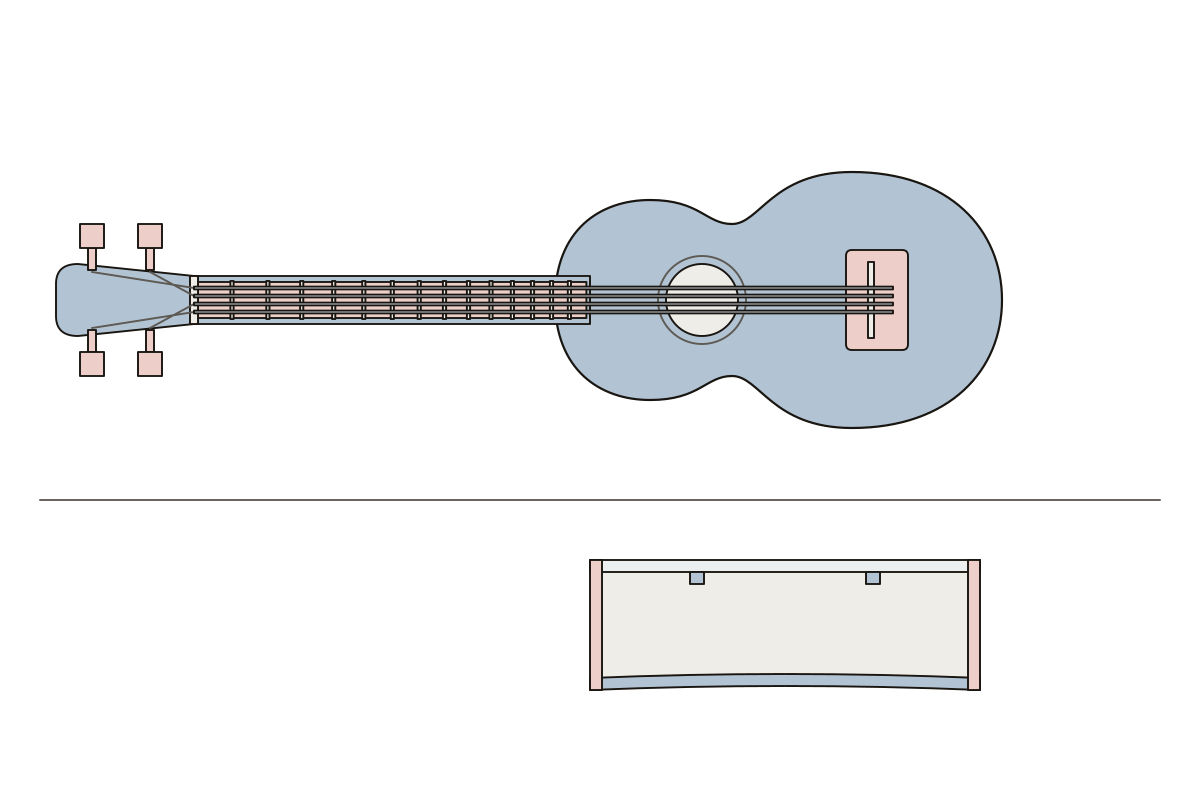 Parts of a UkuleleA ukulele from the front and its body cut across: 14 numbered parts, from the head and tuning pegs to the saddle, top, sides and back. Tuning pegs · Fretboard · Nut
- Ukulele Diagram UnlabeledA blank ukulele sheet for a music class: fourteen empty label lines on a front view and a cut body, with the labeled key to print after. Body · Back · Tuning pegs
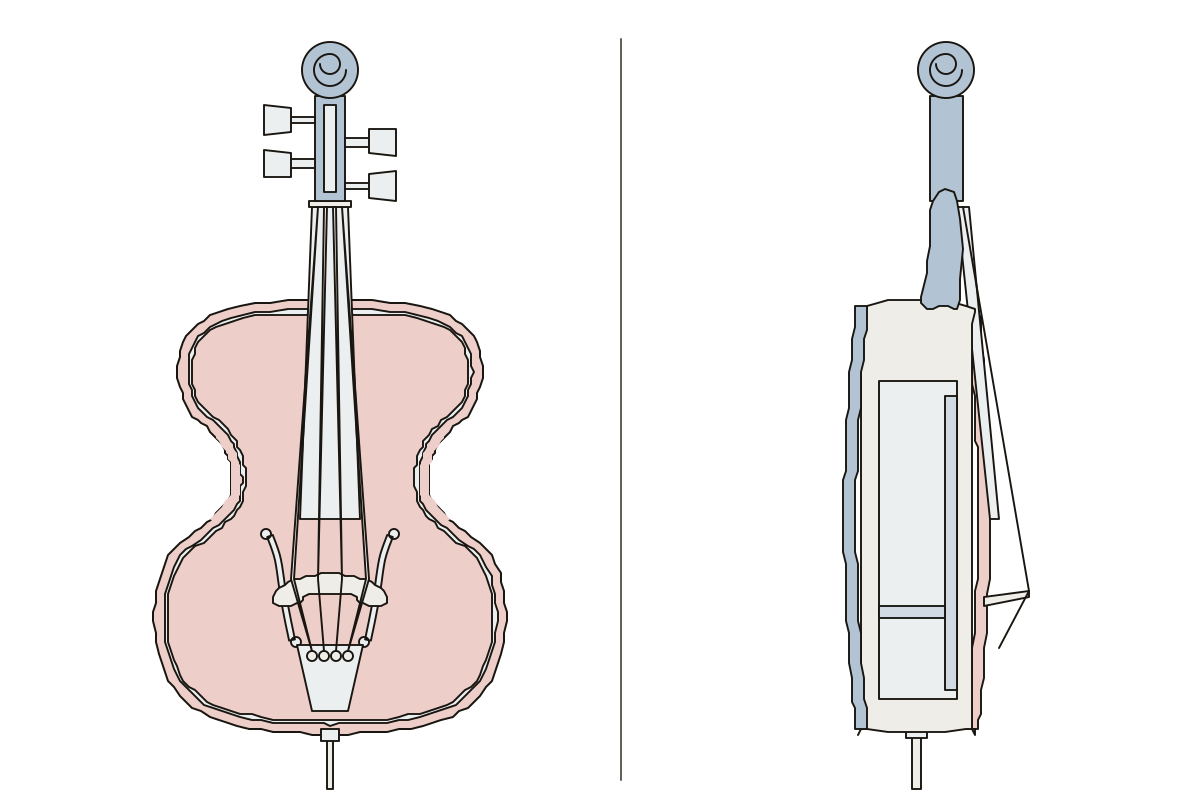 Parts of a CelloA cello front and side: scroll, pegbox, pegs, fingerboard, bridge, f-holes, tailpiece, fine tuners, endpin, sound post and bass bar. Bass bar · Scroll · Ribs
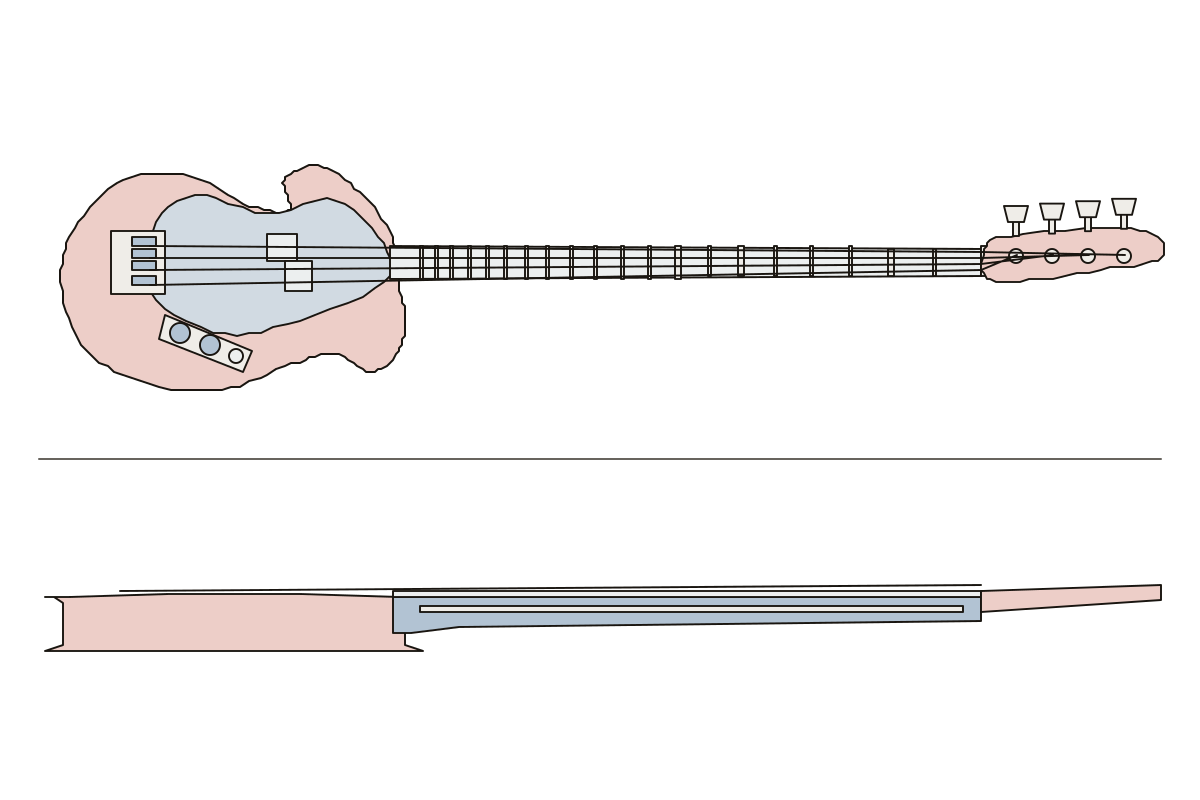 Parts of a Bass GuitarAn electric bass front and side: headstock, tuners, fretboard, frets, neck, truss rod, body, pickups, bridge, saddles, knobs and jack. Truss rod · Frets · Neck
- Labeling the Parts of a Bass GuitarAn electric bass front and side as a worksheet: thirteen numbered parts from headstock to output jack, a line for each name, and a key. Neck · Truss rod · Body
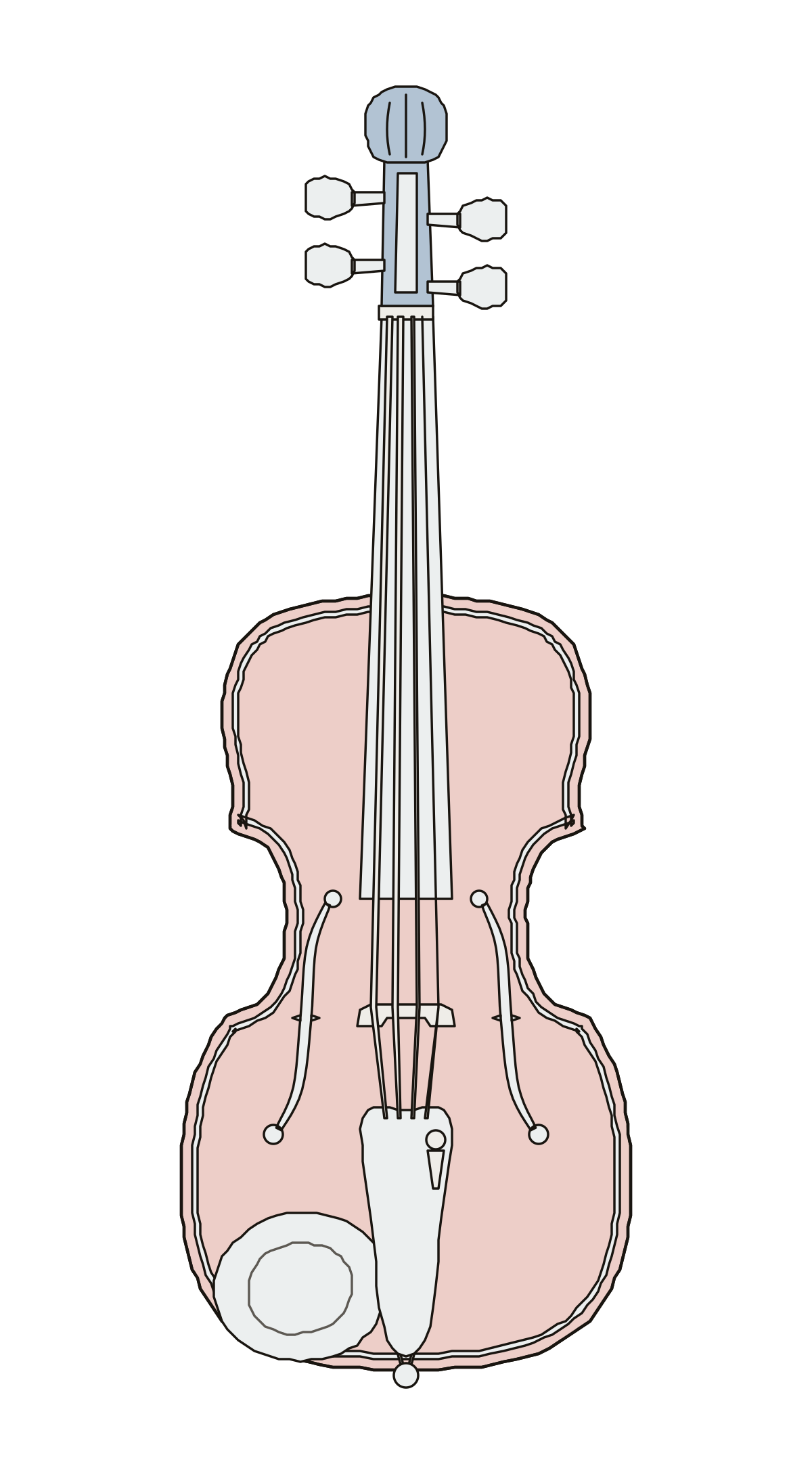 Parts of a Violin DiagramA violin from the front: scroll, pegs, nut, fingerboard, the four strings, bridge, f-holes, bouts, tailpiece, fine tuner, chinrest and tailpin. Tailpin · F-holes · Fingerboard
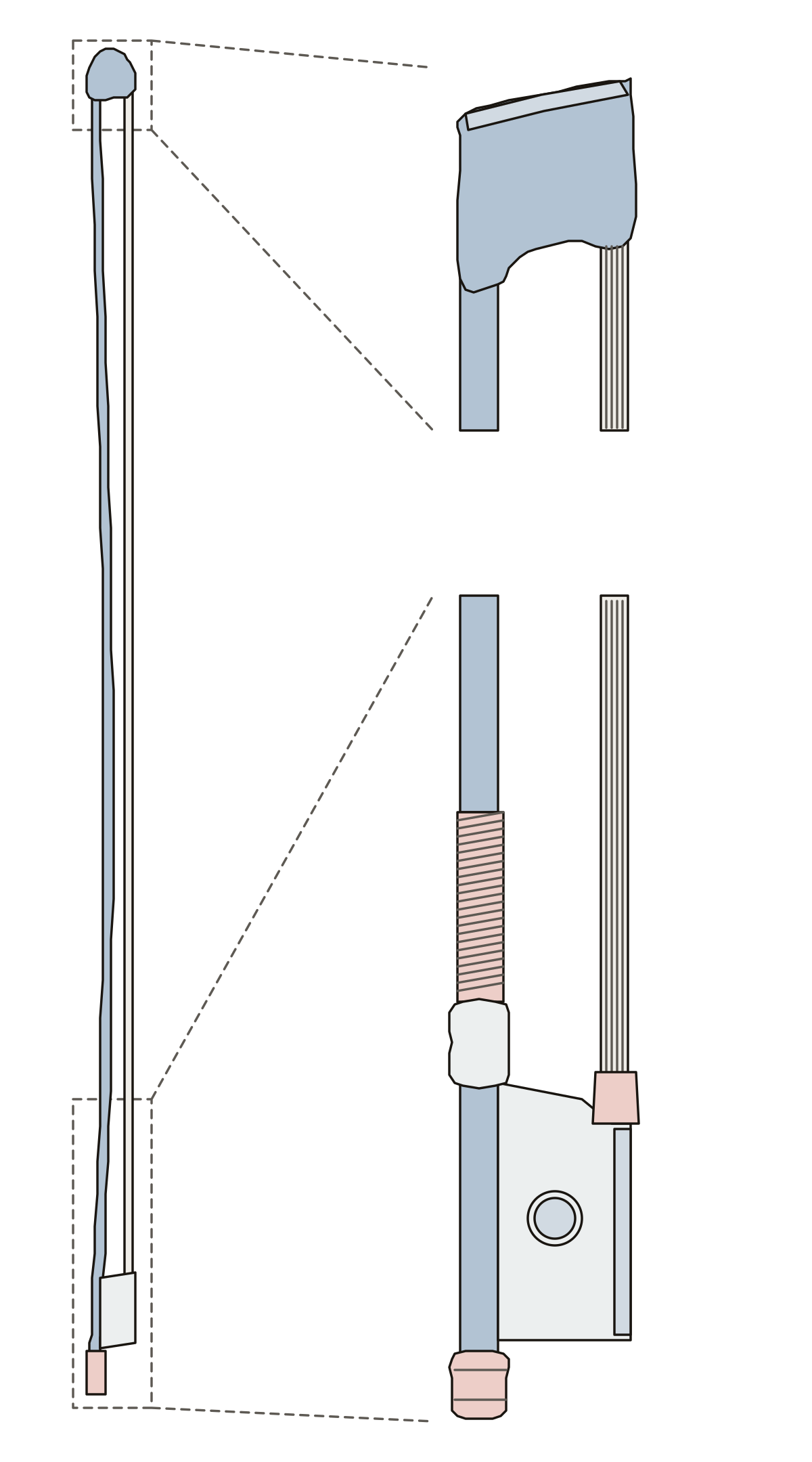 Parts of a Violin BowA violin bow whole and up close: head, tip plate, stick, hair, frog, eye, slide, ferrule, winding, thumb cushion and button. Hair · Head · Winding
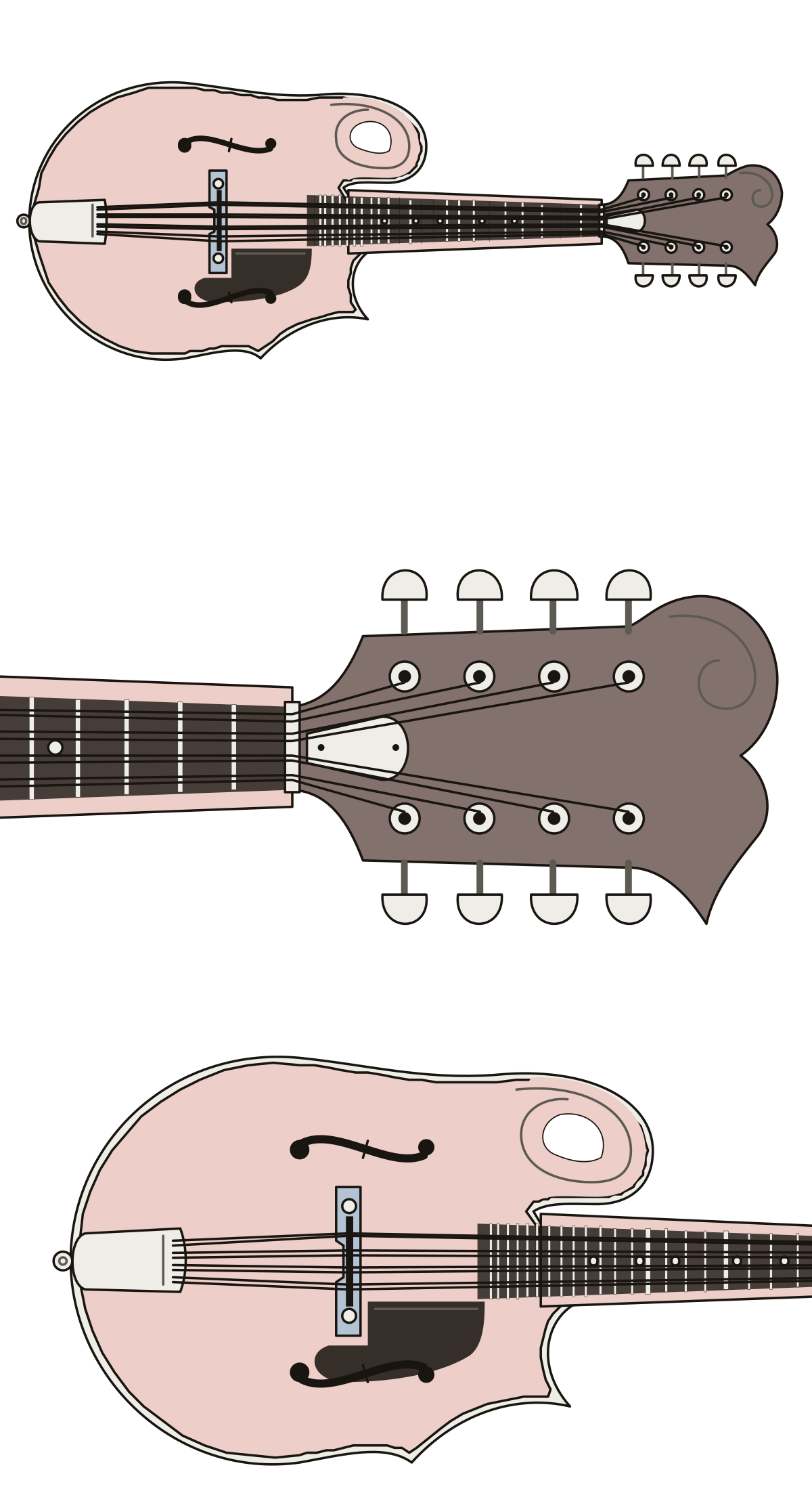 Parts of a MandolinHeadstock, tuning machines, nut, neck, fingerboard, frets, strings, scroll, soundboard, f-holes, bridge, saddle, tailpiece, pickguard, binding.
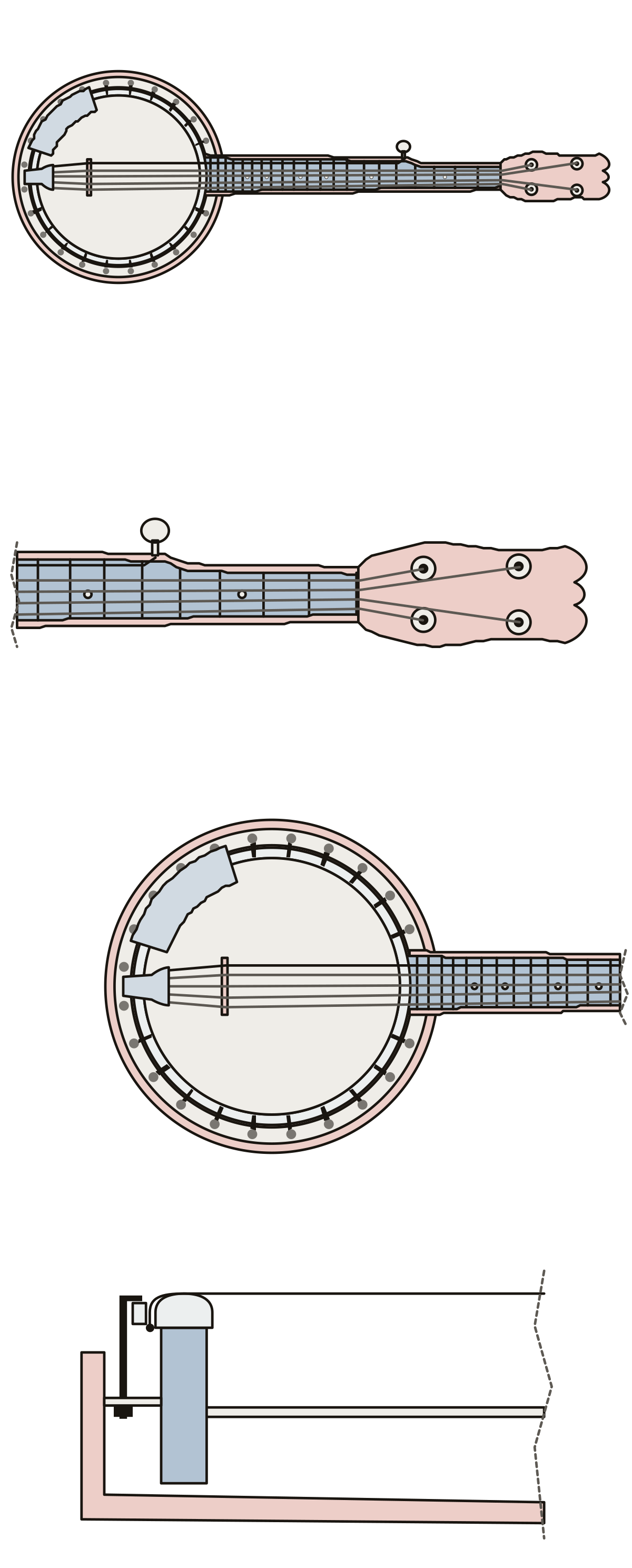 Parts of a BanjoPeghead, tuning pegs, nut, neck, fingerboard, frets, fifth string and its peg, head, tension hoop, bracket hooks, bridge, tailpiece, armrest, rim, tone ring, flange, resonator.
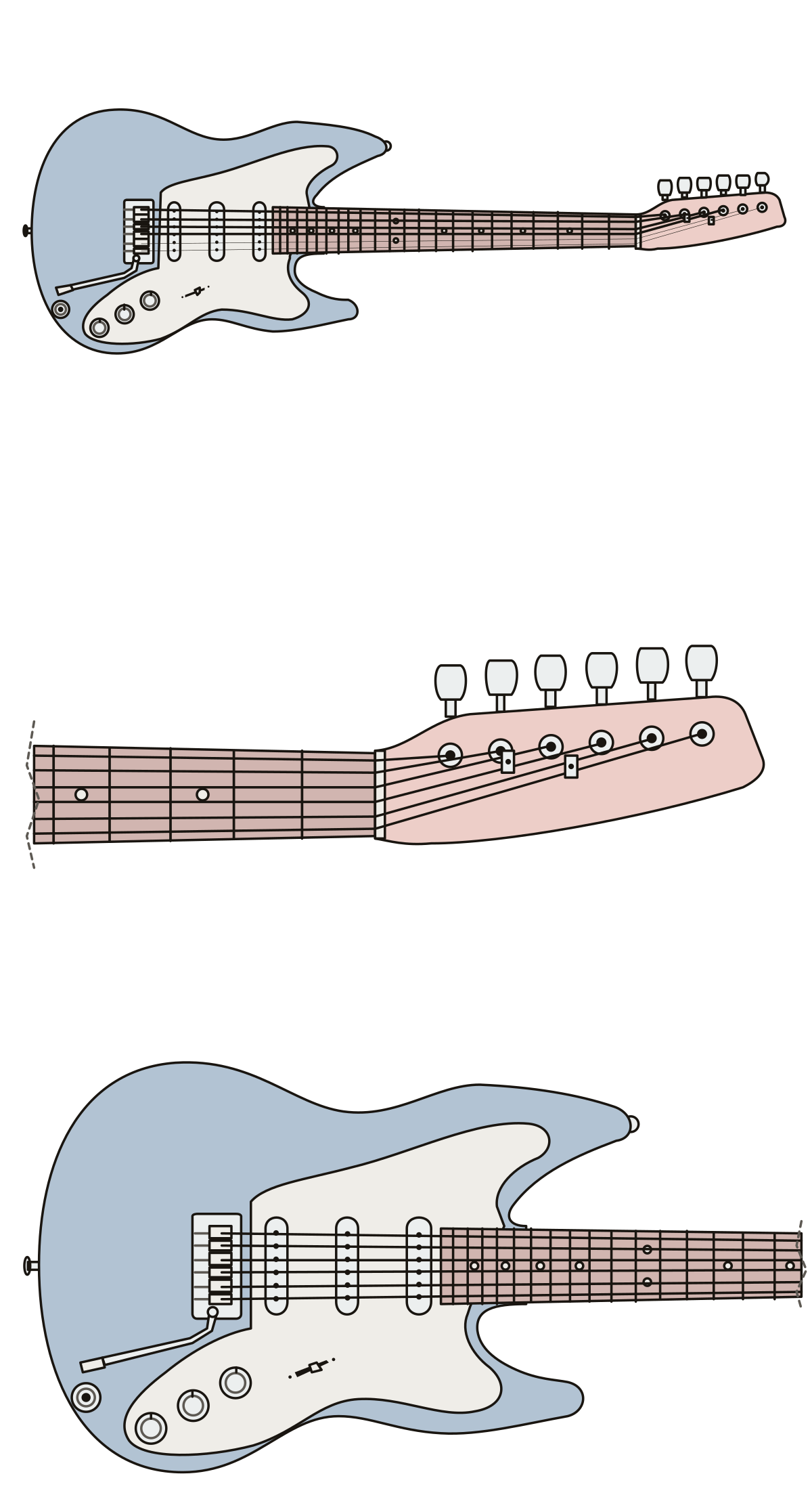 Parts of an Electric GuitarHeadstock, tuners, string trees, nut, fingerboard, frets, position markers, strings, body, cutaways, pickguard, three pickups, pickup selector, volume and tone knobs, bridge, tremolo arm, output jack, strap buttons.
- Label Electric GuitarThe headstock and the body of an electric guitar as a worksheet: fourteen numbered parts from tuners to output jack, a line for each name, and a key.
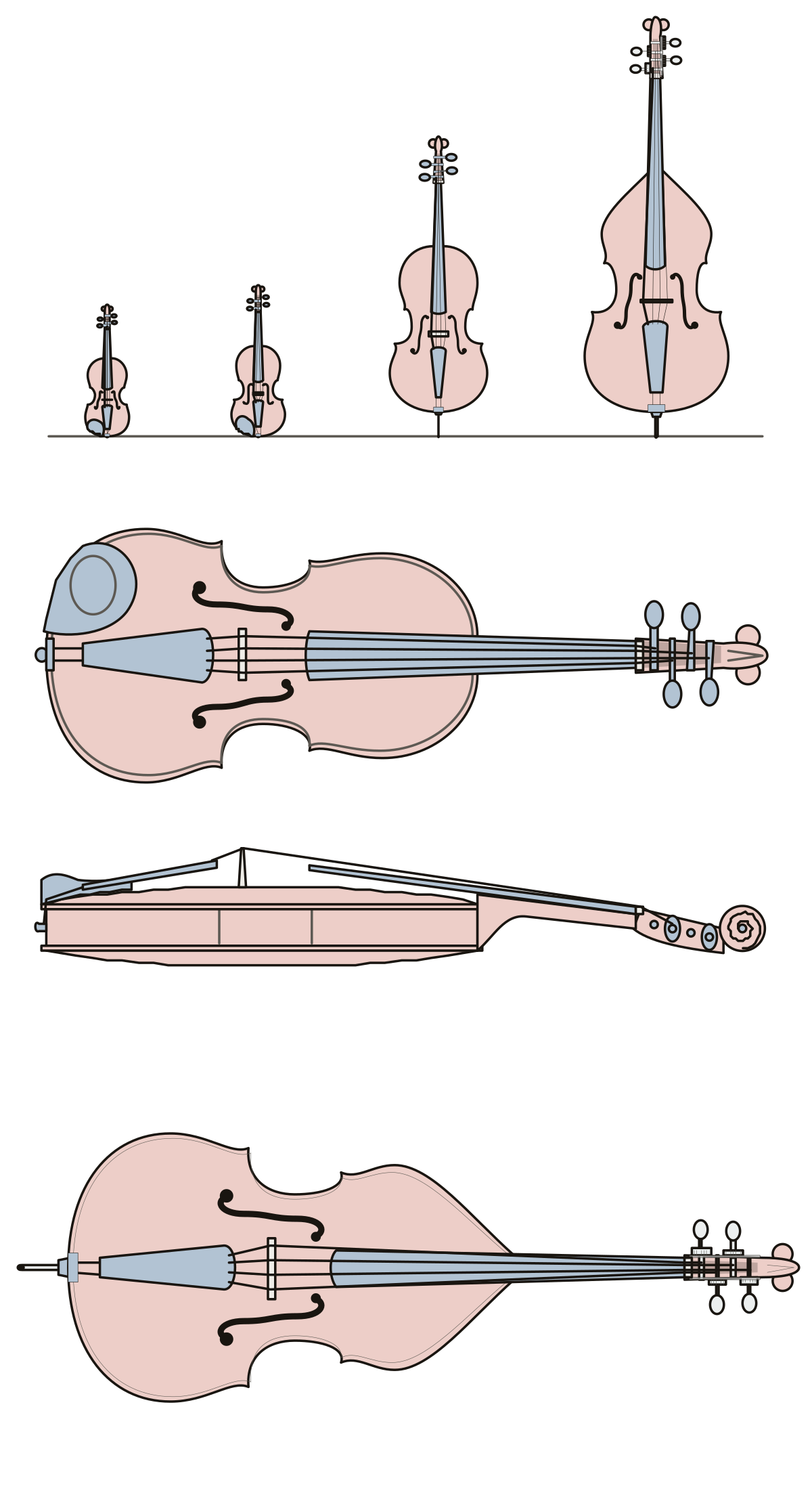 Parts of a String InstrumentViolin, viola, cello and double bass at one scale; scroll, pegbox, pegs, neck, fingerboard, strings, bridge, f-holes, tailpiece; chinrest, endpin, machine heads, sloping shoulders.
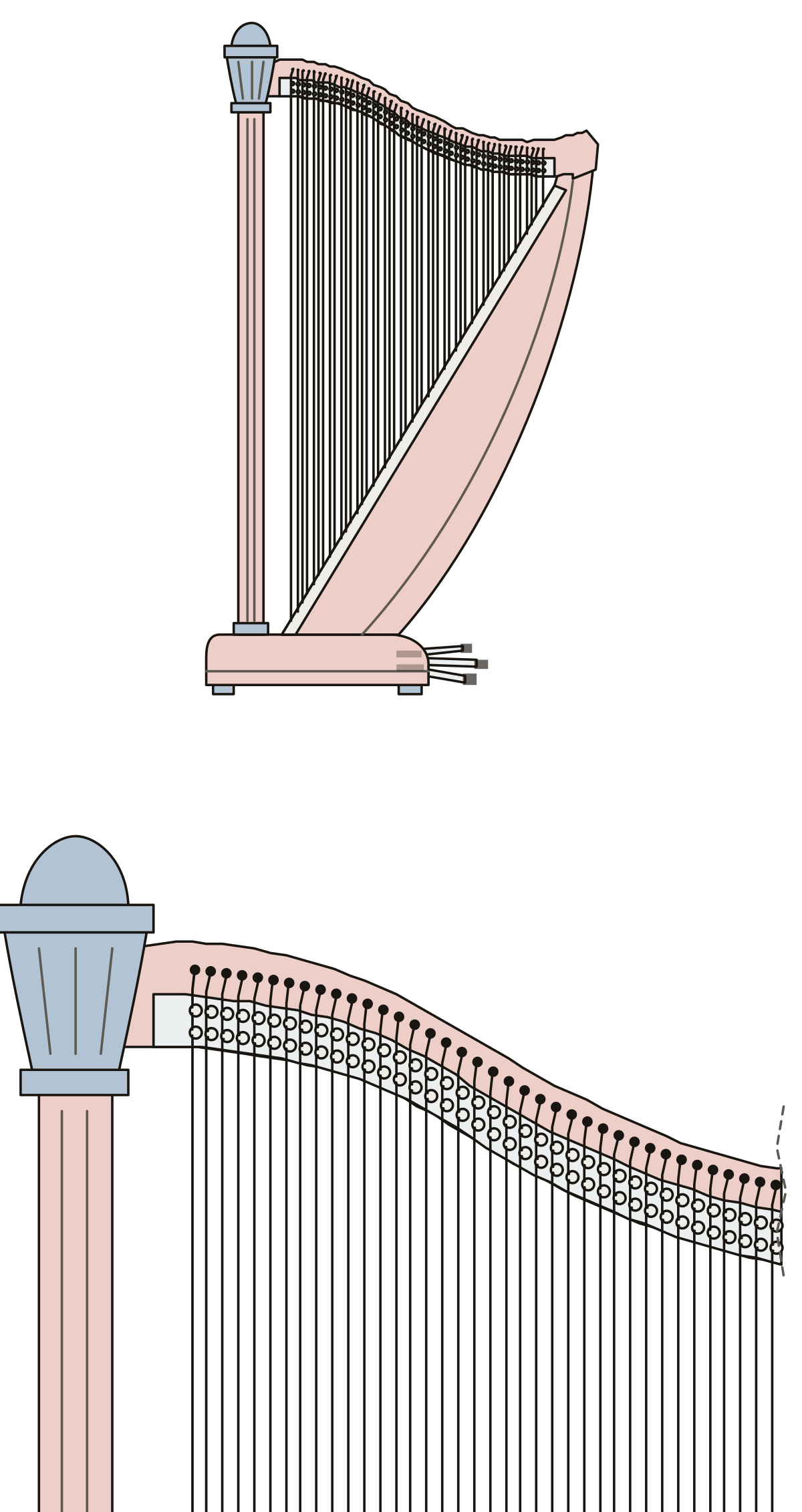 Parts of a HarpCrown, column, neck, strings, soundboard, body, base, pedals, tuning pins and discs of a pedal harp.
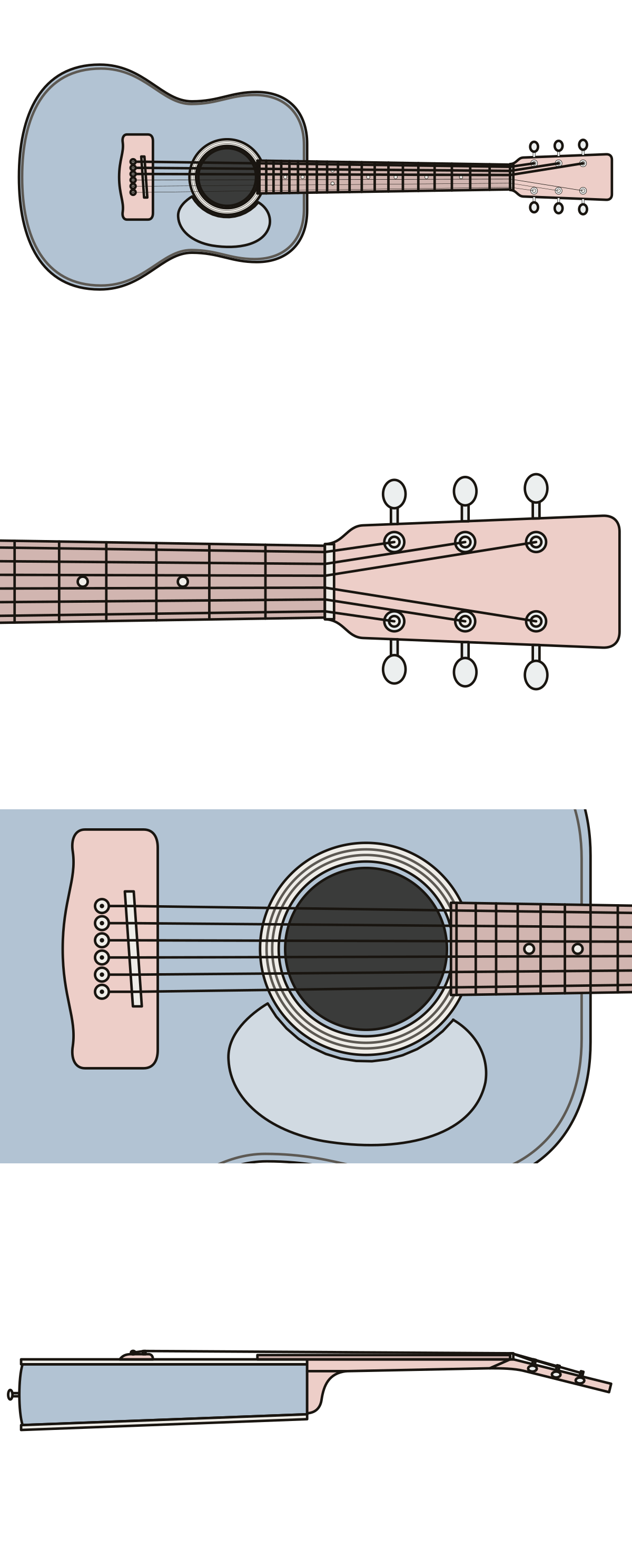 Parts of an Acoustic GuitarHeadstock, tuners, nut, fingerboard, frets, position markers, strings, neck, heel, body, waist, soundboard, sound hole, rosette, pickguard, bridge, saddle, bridge pins, sides, back, strap button.
- Label the Parts of a GuitarA label parts of the guitar worksheet: an acoustic guitar and its headstock up close, eleven numbered parts, a line for each name, and the answers.
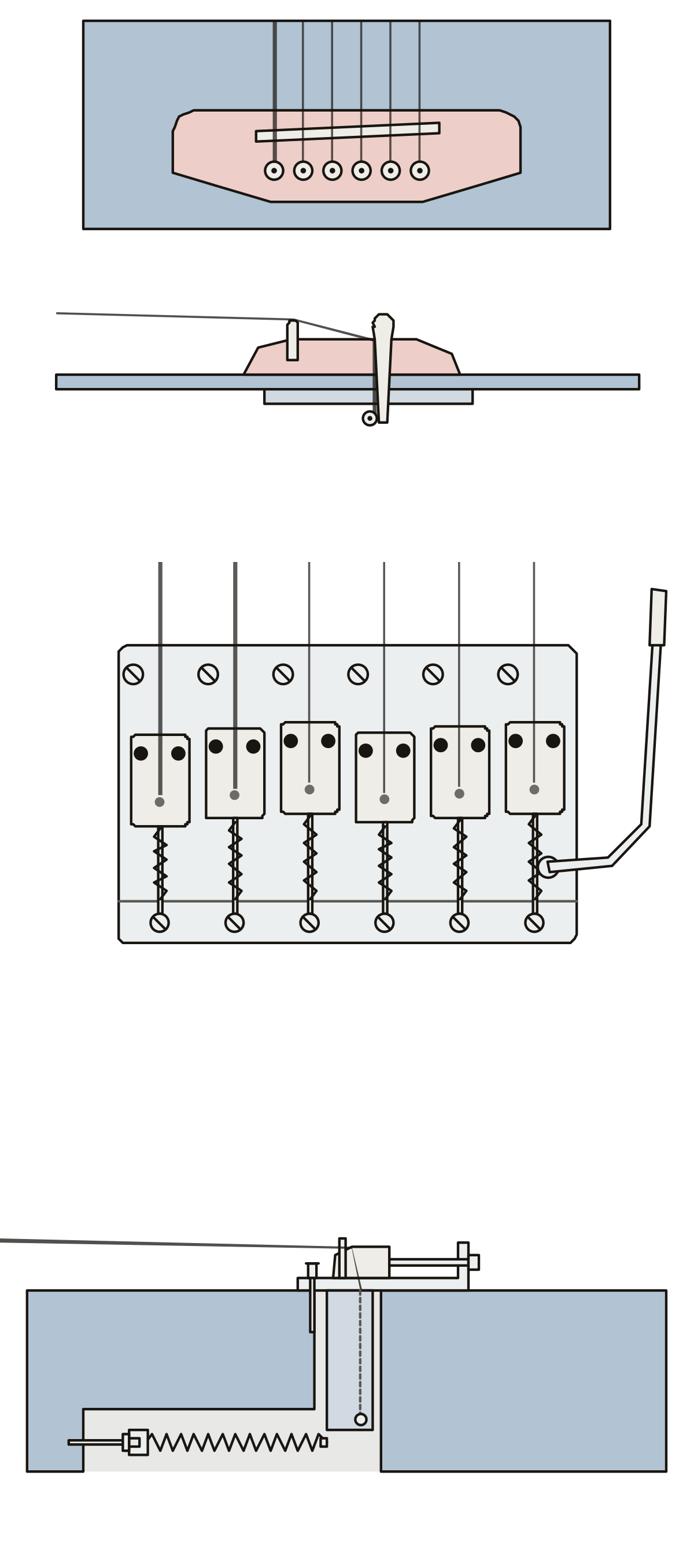 Parts of a Guitar BridgeBridge, saddle, bridge pins, ball end, baseplate, pivot screws, saddles, height screws, intonation screws, tremolo arm, sustain block, springs.
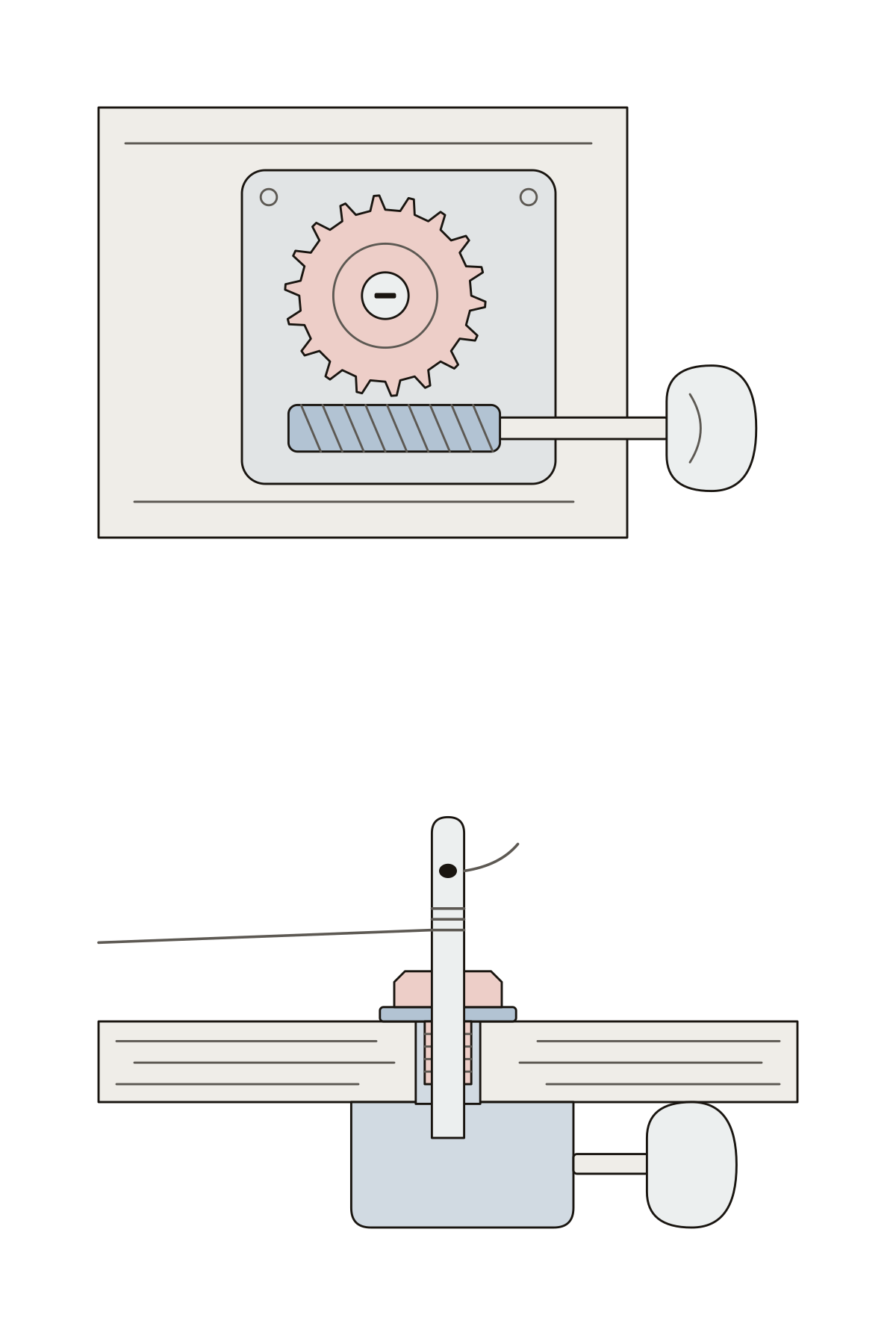 Parts of a Guitar TunerKnob, shaft, worm and pinion gear, then the string post, string hole, bushing, washer, headstock and housing.
Woodwind and brass 14
Reeds, keys and joints on the woodwinds, then mouthpiece, valves, slides and bell on the brass, the bag, chanter and drones of the bagpipe, and the reed plates of a harmonica.
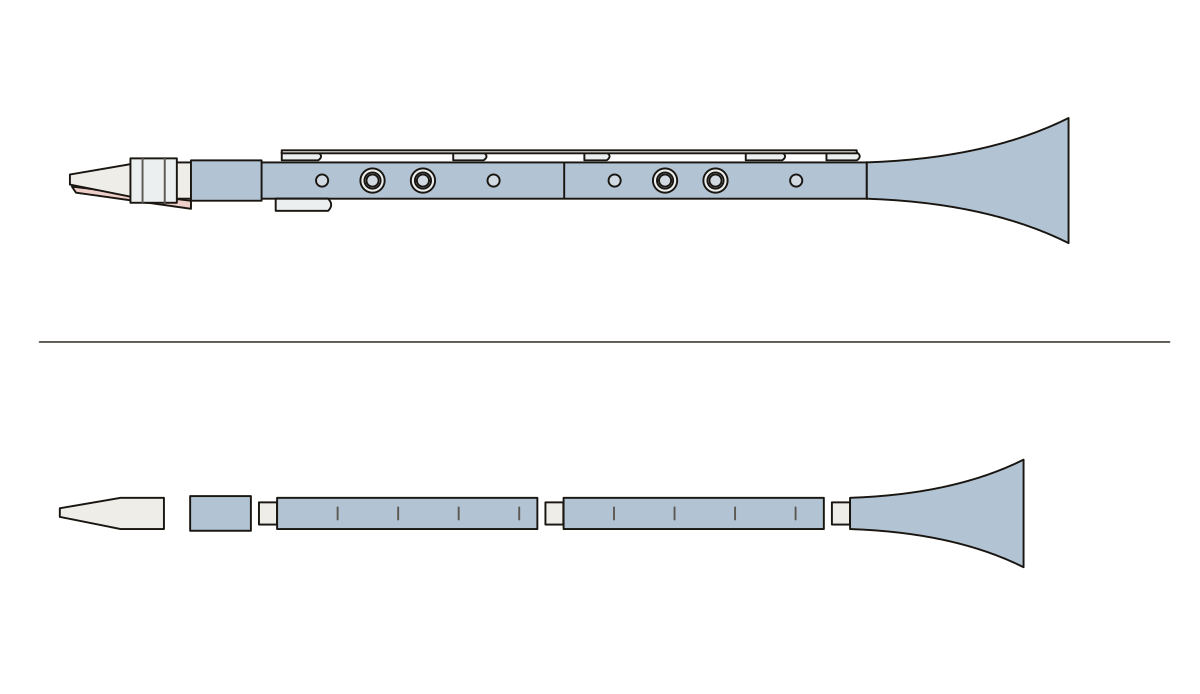 Parts of a ClarinetA clarinet assembled and in its five pieces: 11 numbered parts, from the reed and ligature to the ring keys, register key, barrel and bell. Tone holes · Keys · Ligature
- Labeling the Parts of a ClarinetA clarinet assembled and pulled apart as a worksheet: ten numbered parts from reed to bell, a line for each name, and a key. Ligature · Reed · Mouthpiece
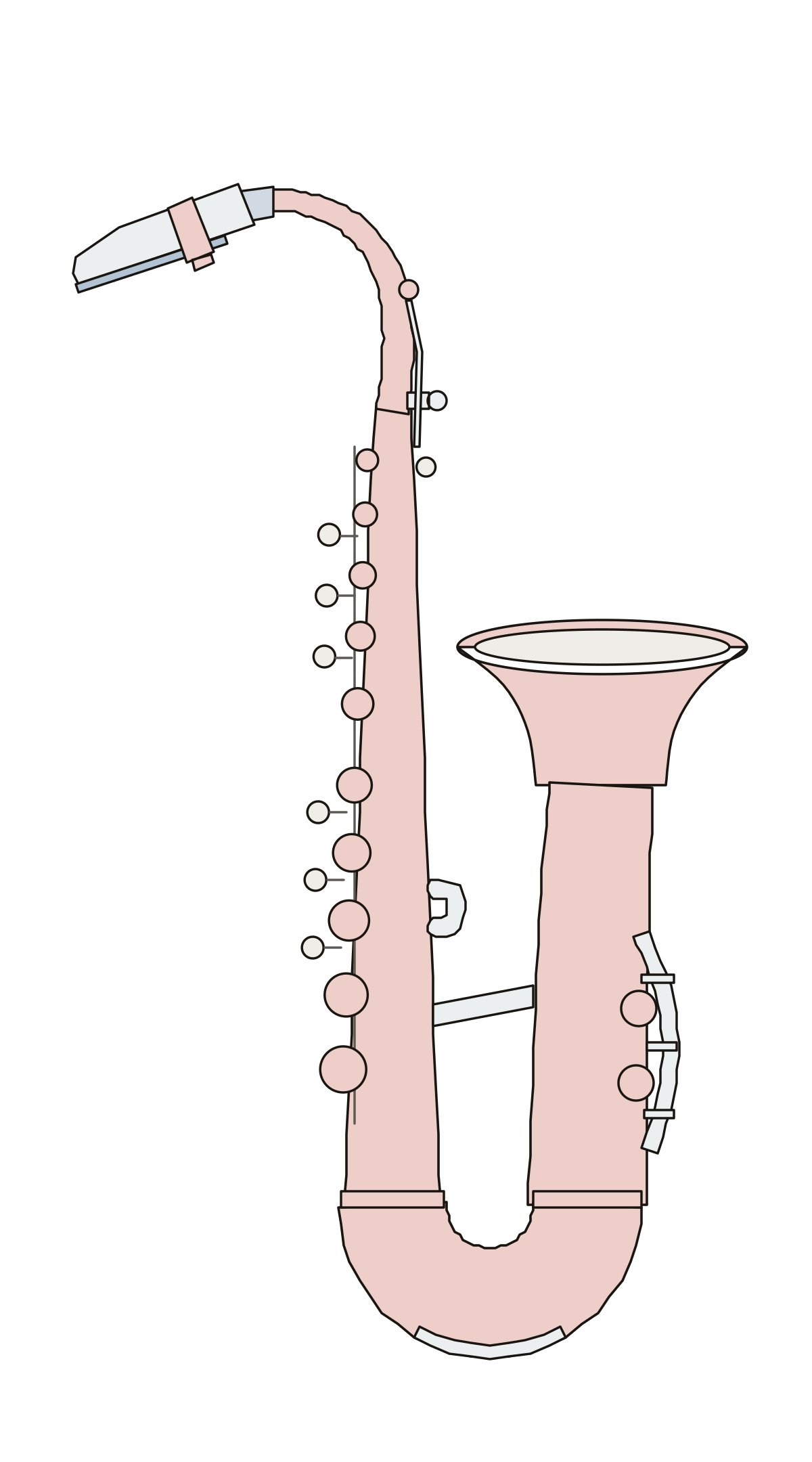 Parts of a SaxophoneAn alto saxophone from the side: mouthpiece, reed, ligature, neck, octave key, body, pearls, thumb hook, bow, bell, key guard and brace. Ligature · Brace · Key guard
- Label the SaxophoneAn alto saxophone standing upright as a worksheet: fifteen numbered parts from mouthpiece to bell, a line for each name, and a key. Body · Bell · Mouthpiece
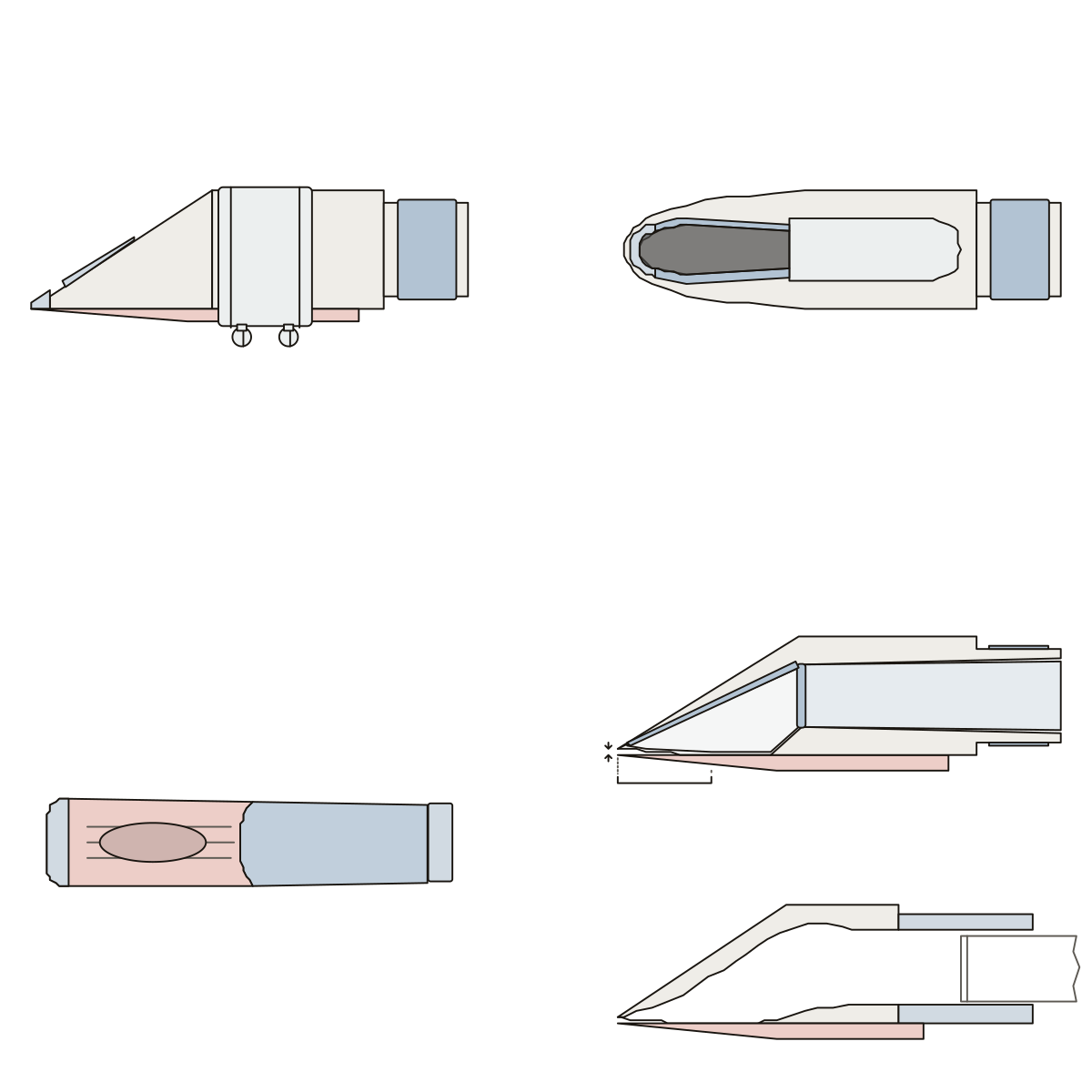 Parts of a Clarinet MouthpieceA clarinet mouthpiece from the side, from below and cut in half, with its reed, its ligature and a saxophone mouthpiece beside it: 23 numbered parts. Baffle · Throat · Window
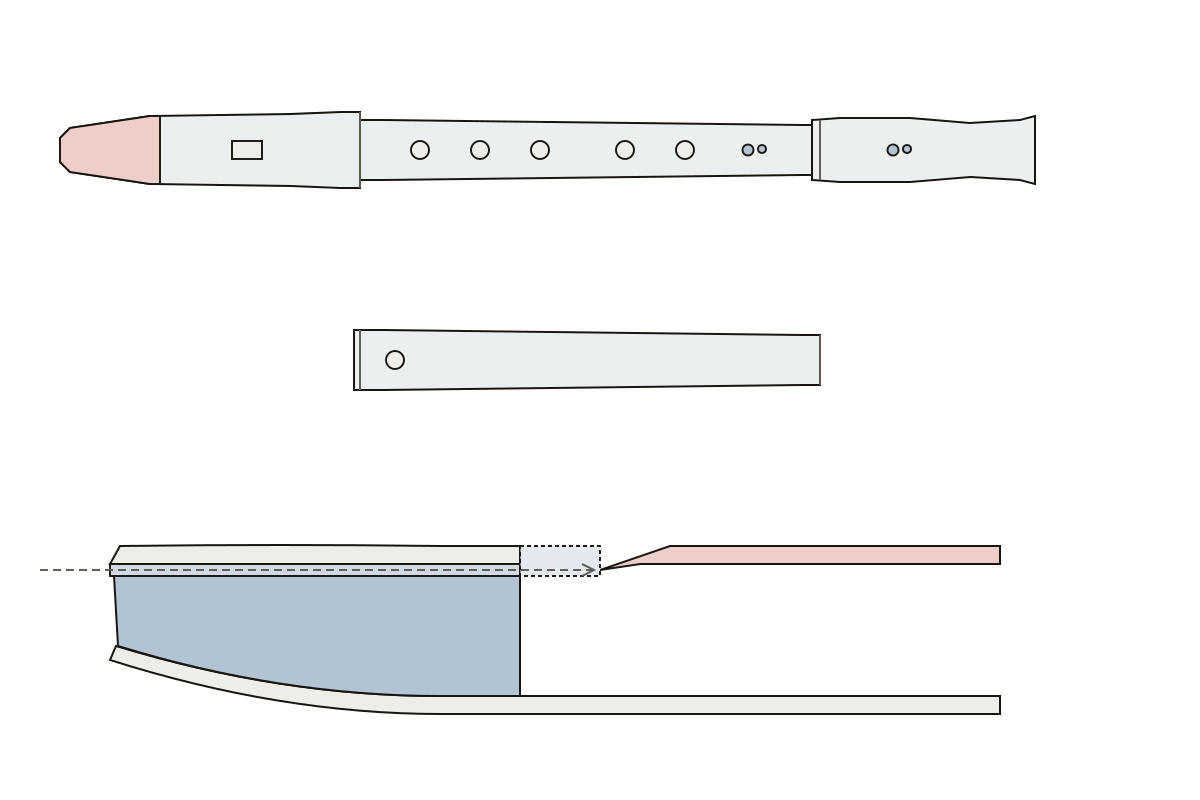 Parts of a RecorderA soprano recorder: 11 labeled parts, from the beak, window and windway to the block, labium, thumb hole, finger holes, double holes and foot joint. Beak · Window · Double holes
- Label the RecorderA soprano recorder from above, from below and cut open as a sheet to label: eleven numbered parts, a line for each name, and a key. Block · Finger holes · Labium
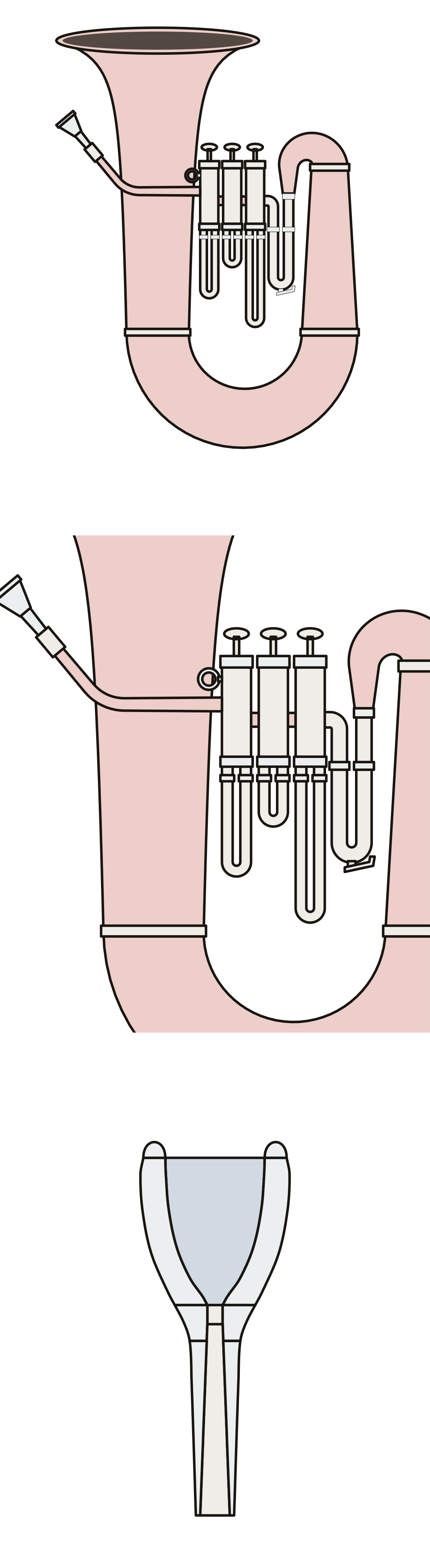 Parts of a TubaMouthpiece, leadpipe, receiver, valves, valve buttons, valve caps, valve casings, valve slides, main tuning slide, water key, thumb ring, bottom bow, bell, and the rim, cup, throat, backbore and shank of the mouthpiece.
- Label Tuba PartsA whole tuba standing with its bell up as a worksheet: six numbered parts, a line for each name, and a key.
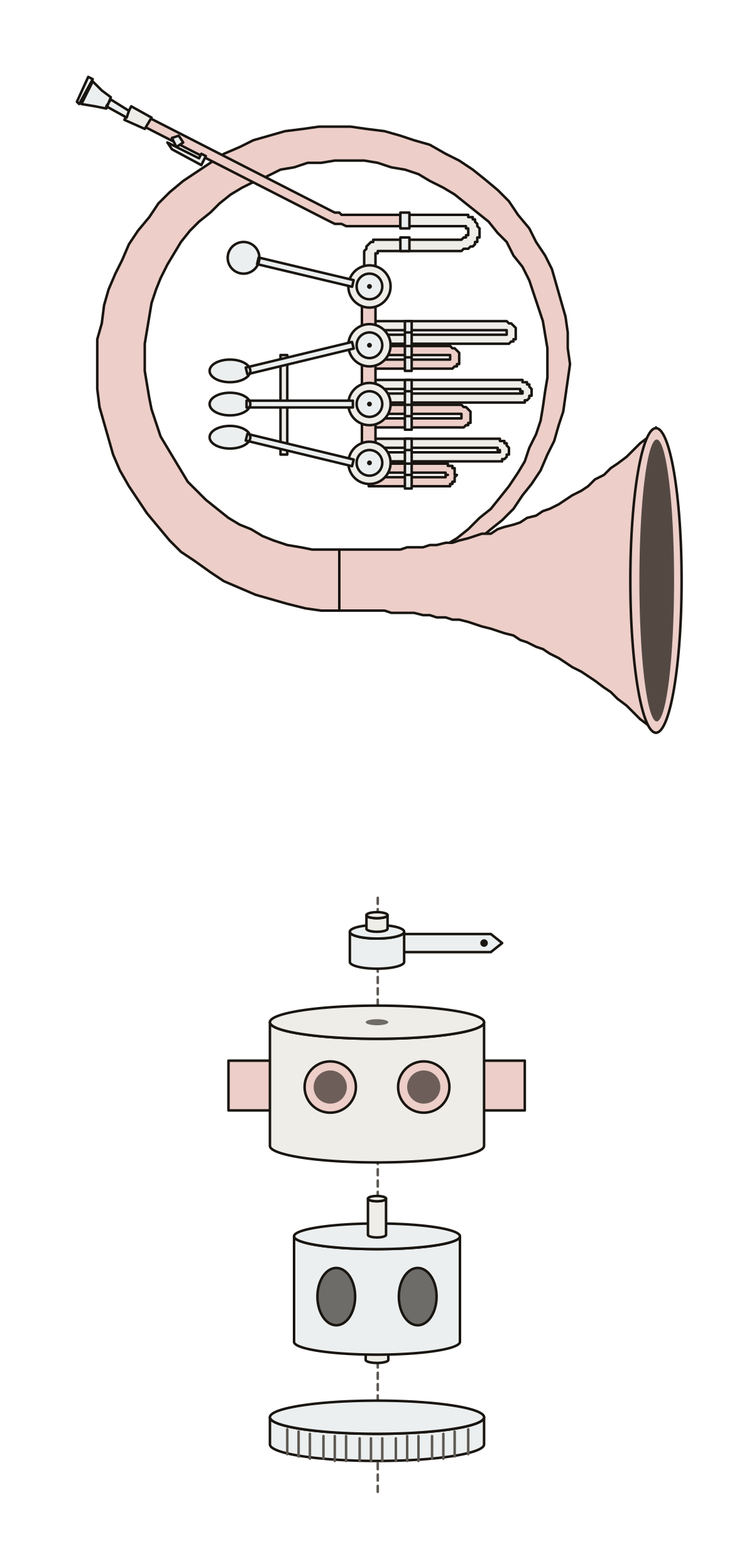 Parts of a French HornMouthpiece, leadpipe, water key, main tuning slide, rotary valves, valve levers, thumb key, F slides, B-flat slides, bell, and the stop arm, casing, rotor and cap of a rotary valve.
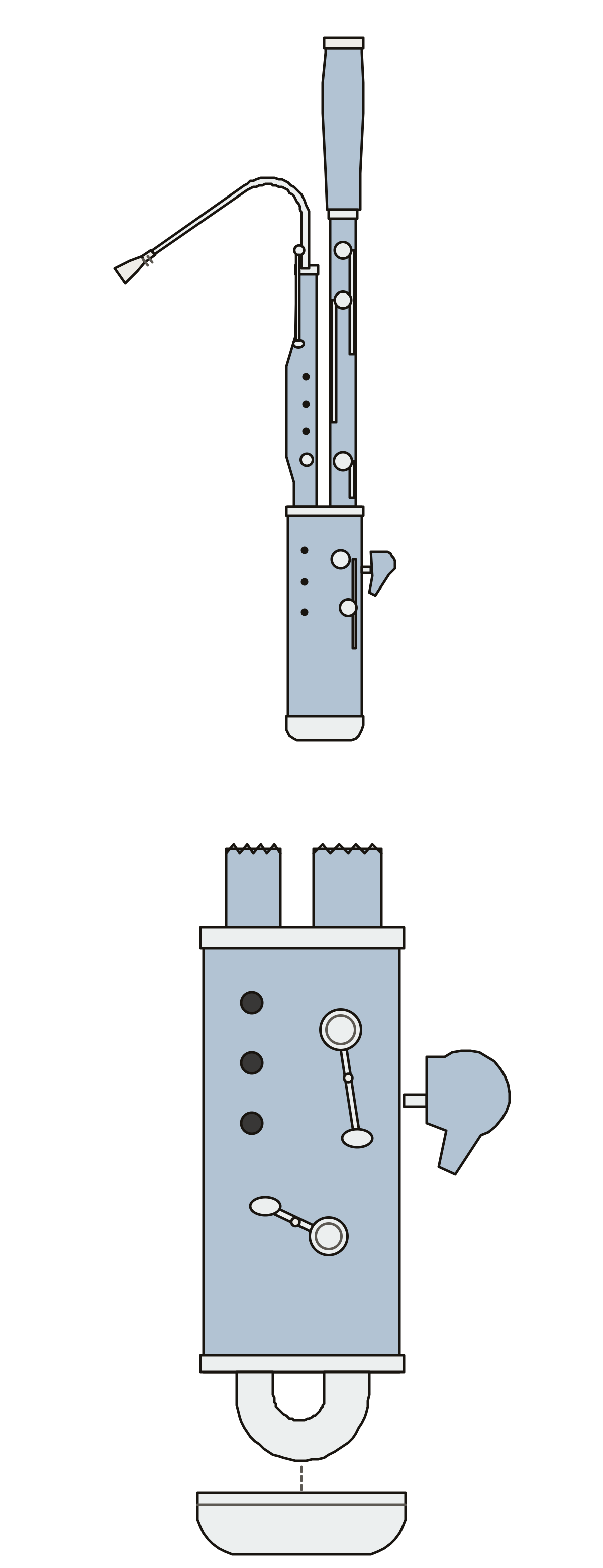 Parts of a BassoonReed, bocal, wing joint, bass joint, boot, bell, whisper key, tone holes, keys, hand rest, U-tube, boot cap.
- Labeling the BassoonA whole bassoon standing upright as a worksheet: seven numbered parts, the six pieces and the whisper key, a line for each name, and a key.
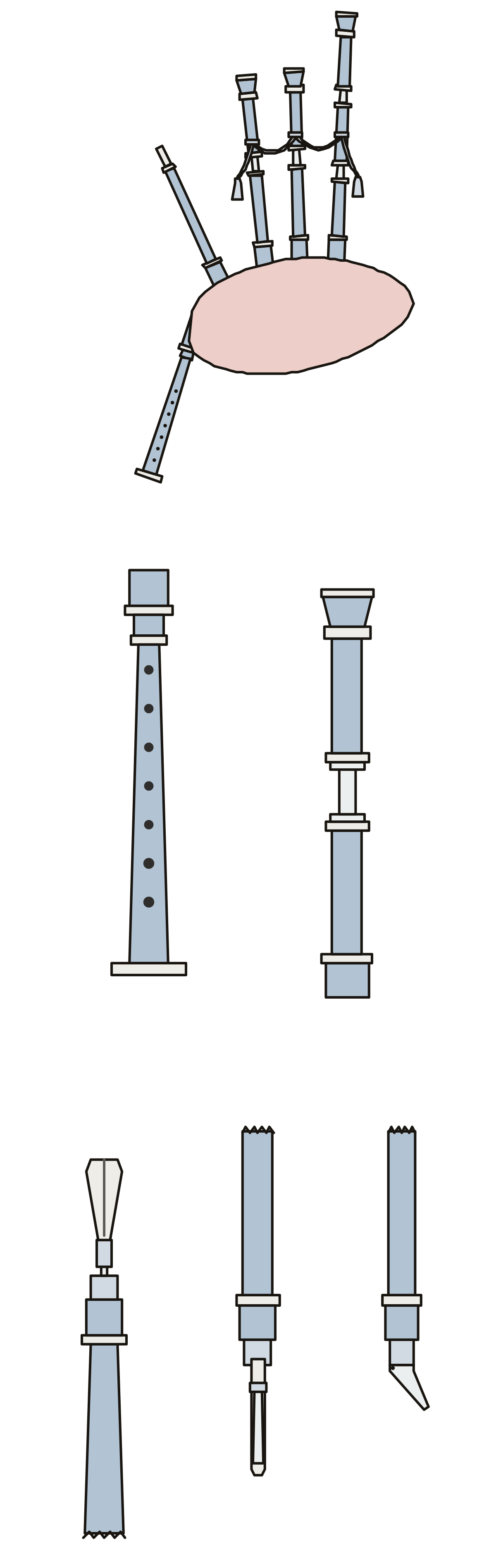 Parts of a BagpipeBag, blowpipe, chanter, bass drone, tenor drones, stocks, cords, finger holes, sole, tuning slide, chanter reed, drone reeds, valve.
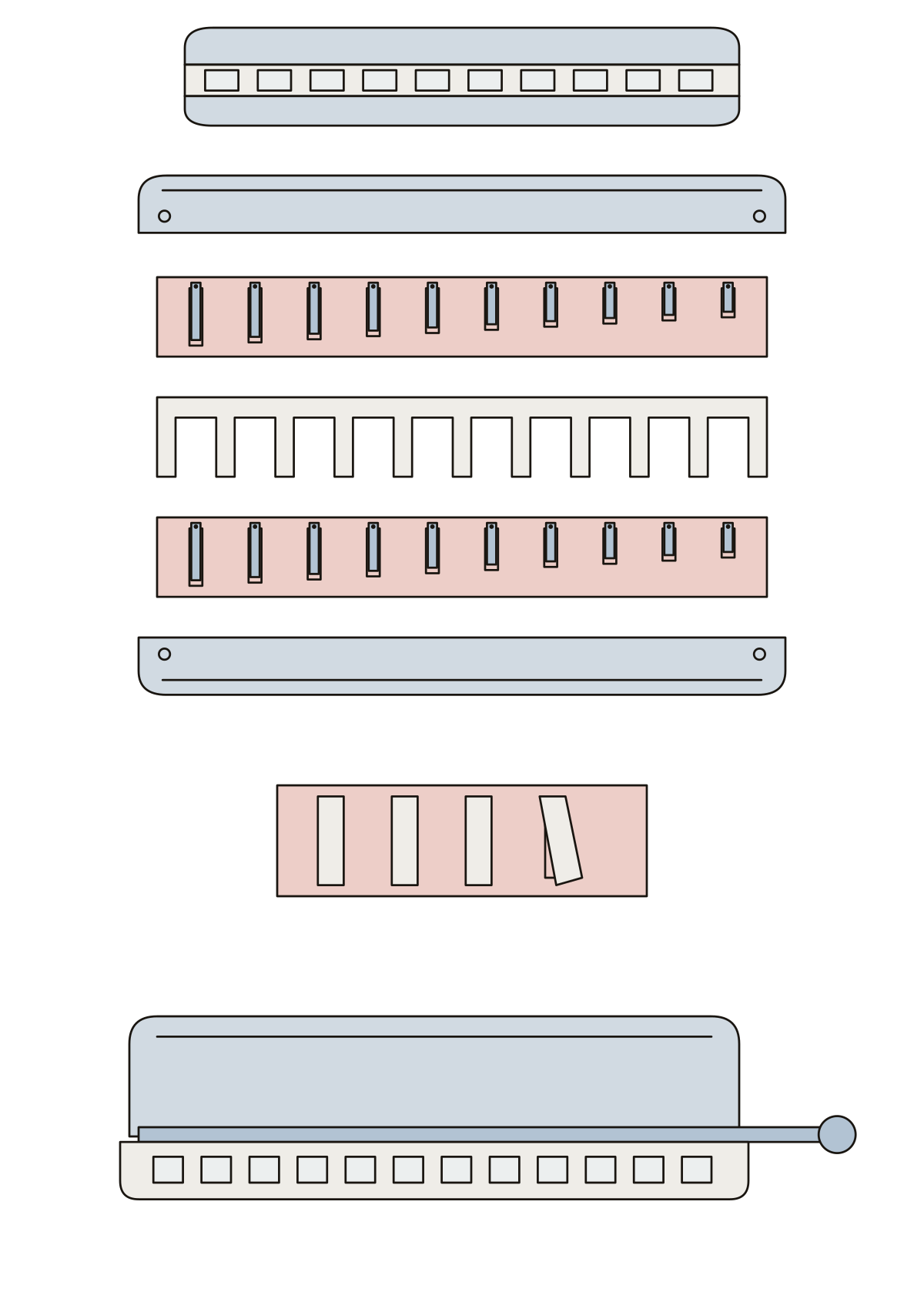 Parts of a HarmonicaHoles, cover plate, reed plate, reeds and comb; then the windsavers, slide and mouthpiece of a chromatic harmonica.
Keyboard and percussion 9
A piano, a pipe organ, a drum set with its snare, hi-hat stand and cymbal stand, a xylophone, a tower bell and a music box.
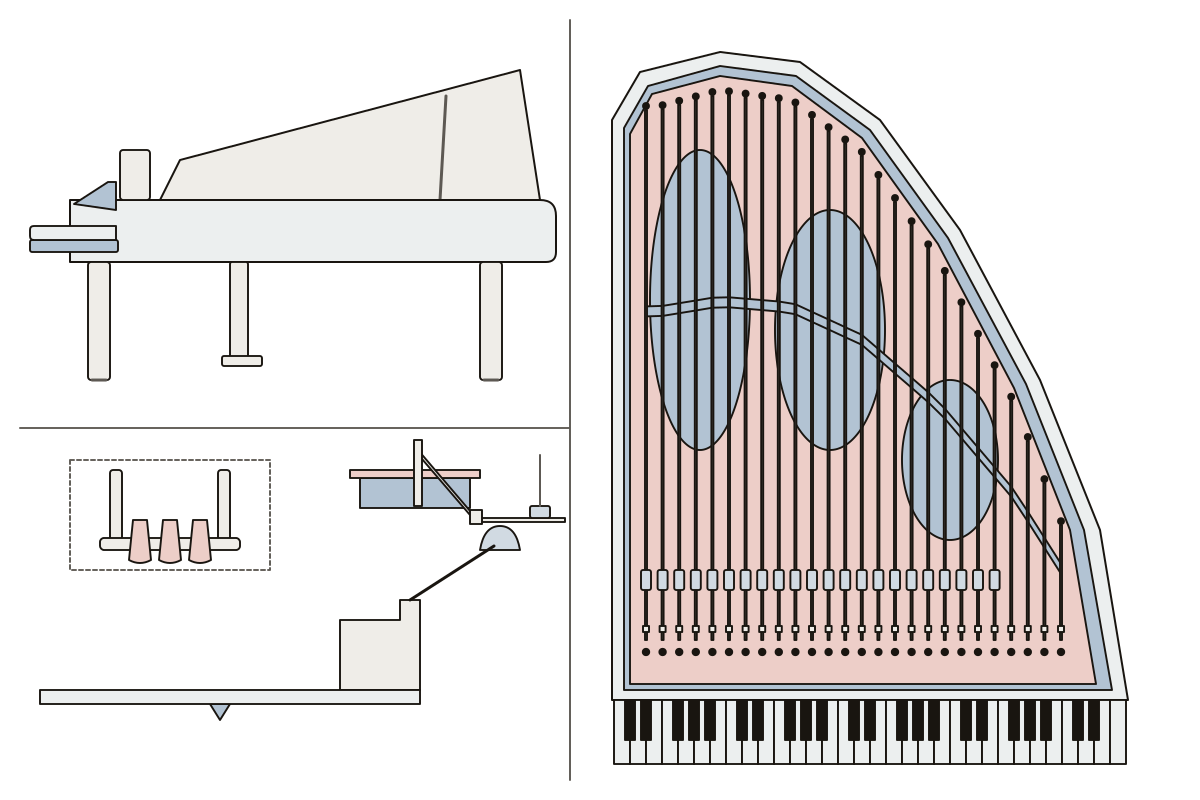 Parts of a PianoA grand piano from the side and from above, its three pedals, and one key and hammer cut open: 18 numbered parts, from fallboard to pinblock. Plate · Rim · Pinblock
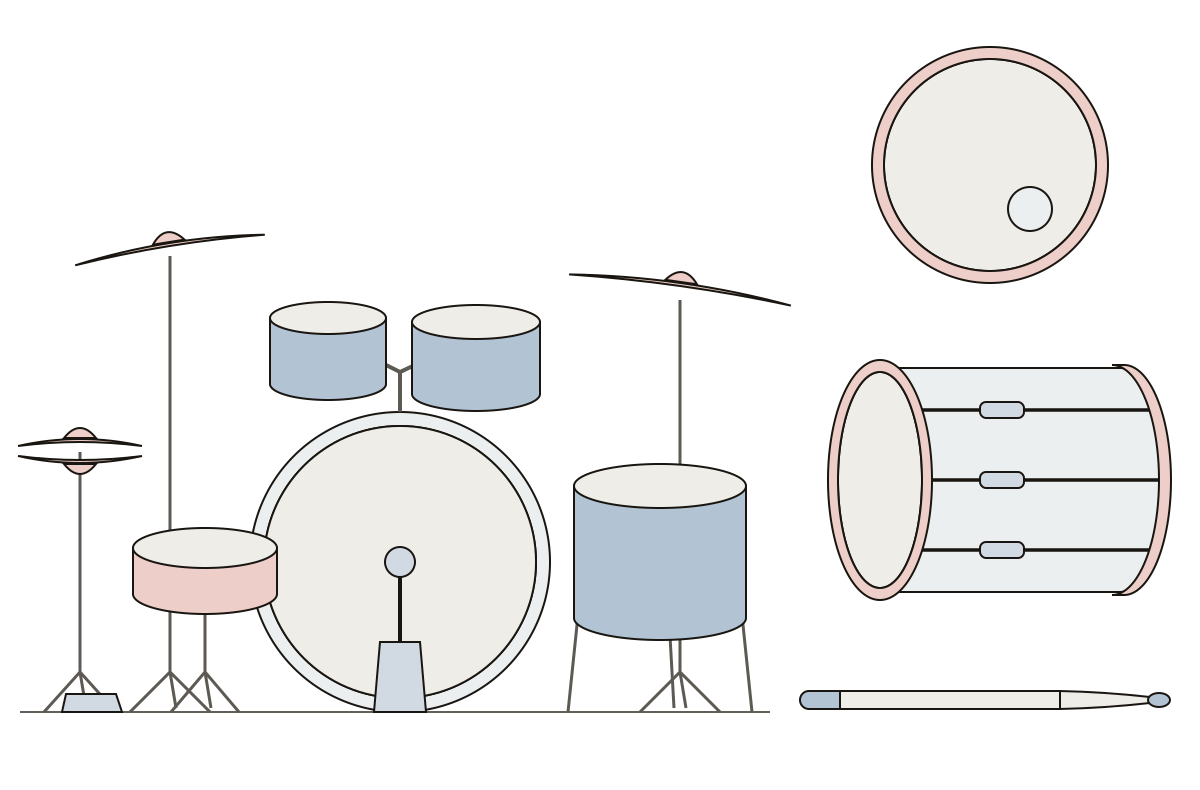 Parts of a Drum SetA five-piece drum kit, a kick drum from the front and side, and a drumstick: 19 labeled parts from the hi-hat pedal to the port and tension rods.
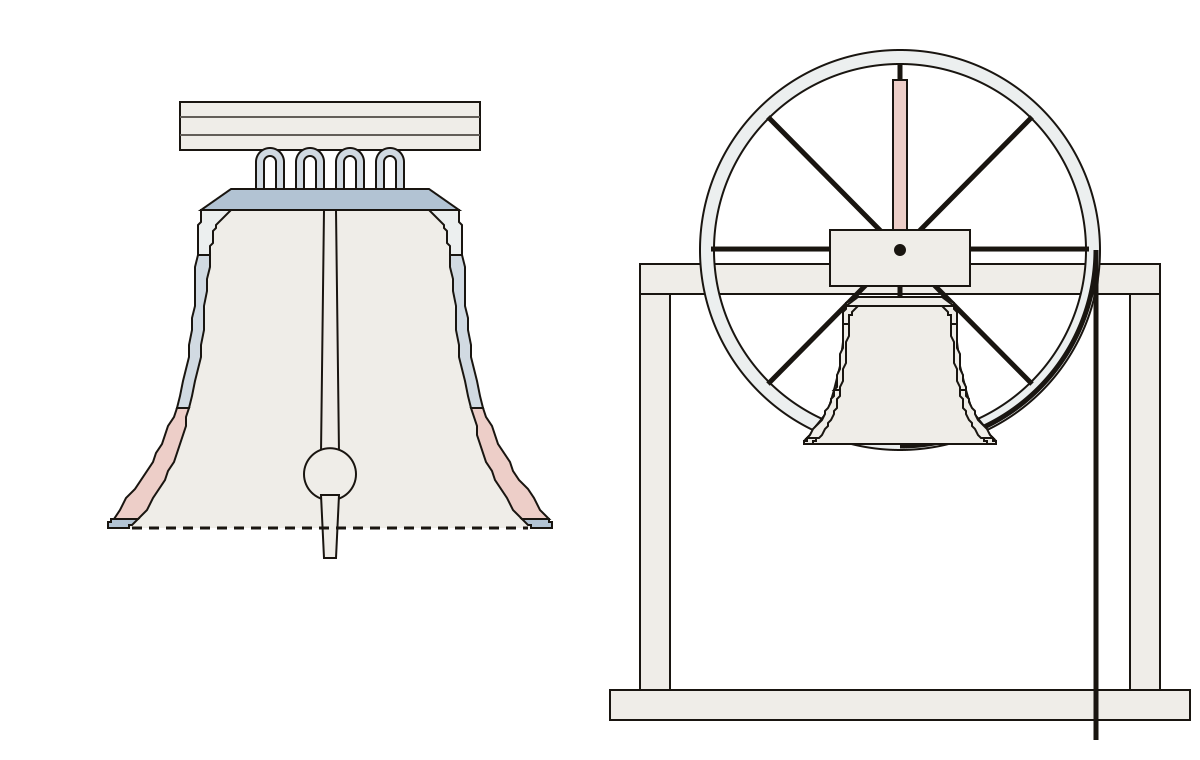 Parts of a BellA tower bell cut through and hung for ringing: 13 labeled parts from the canons and crown to the sound bow, clapper, wheel and stay.
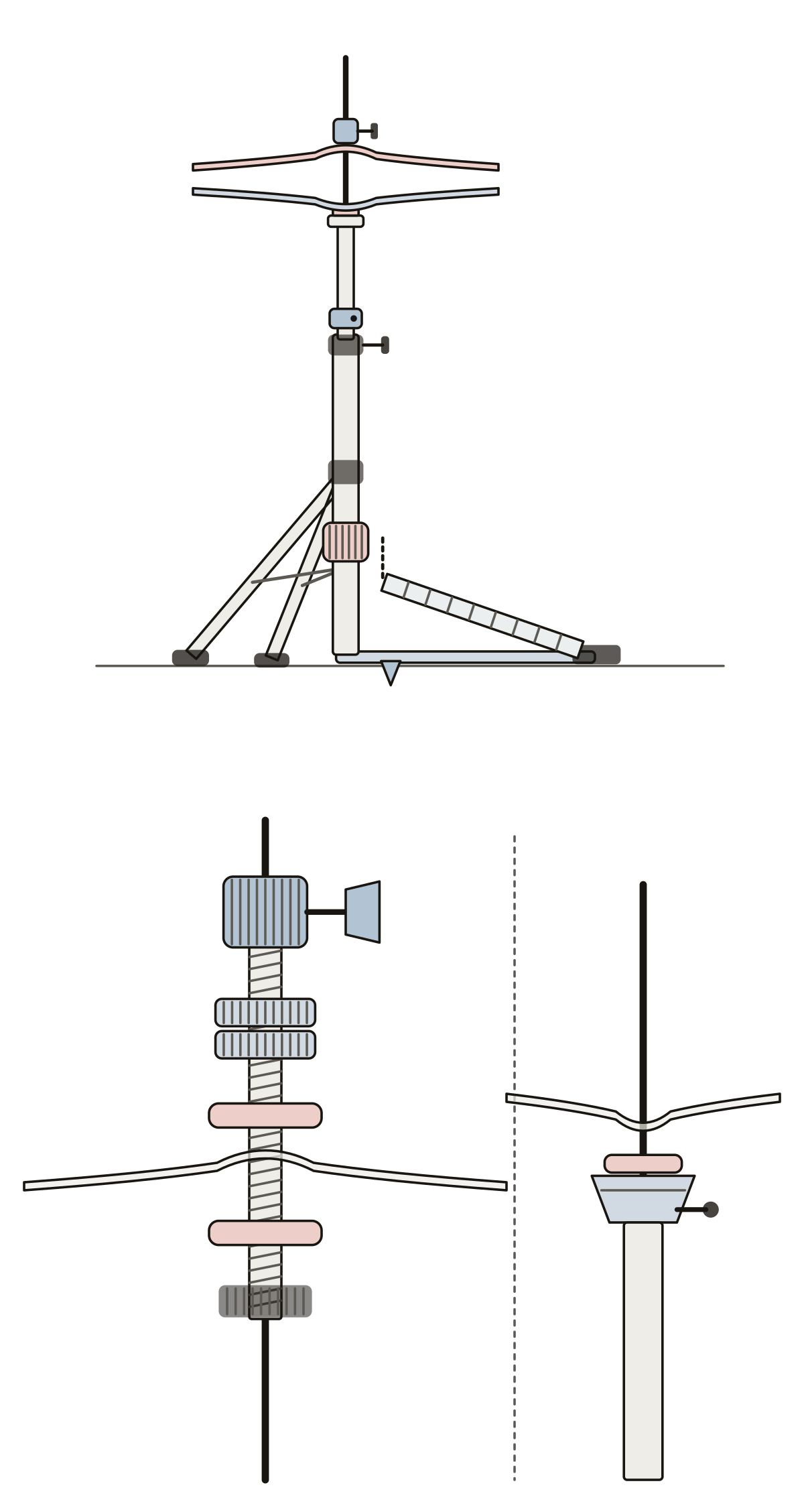 Parts of a Hi Hat StandTop and bottom cymbals, clutch, lock nuts, felts, pull rod, upper tube, memory lock, cymbal seat, legs, spurs and footboard.
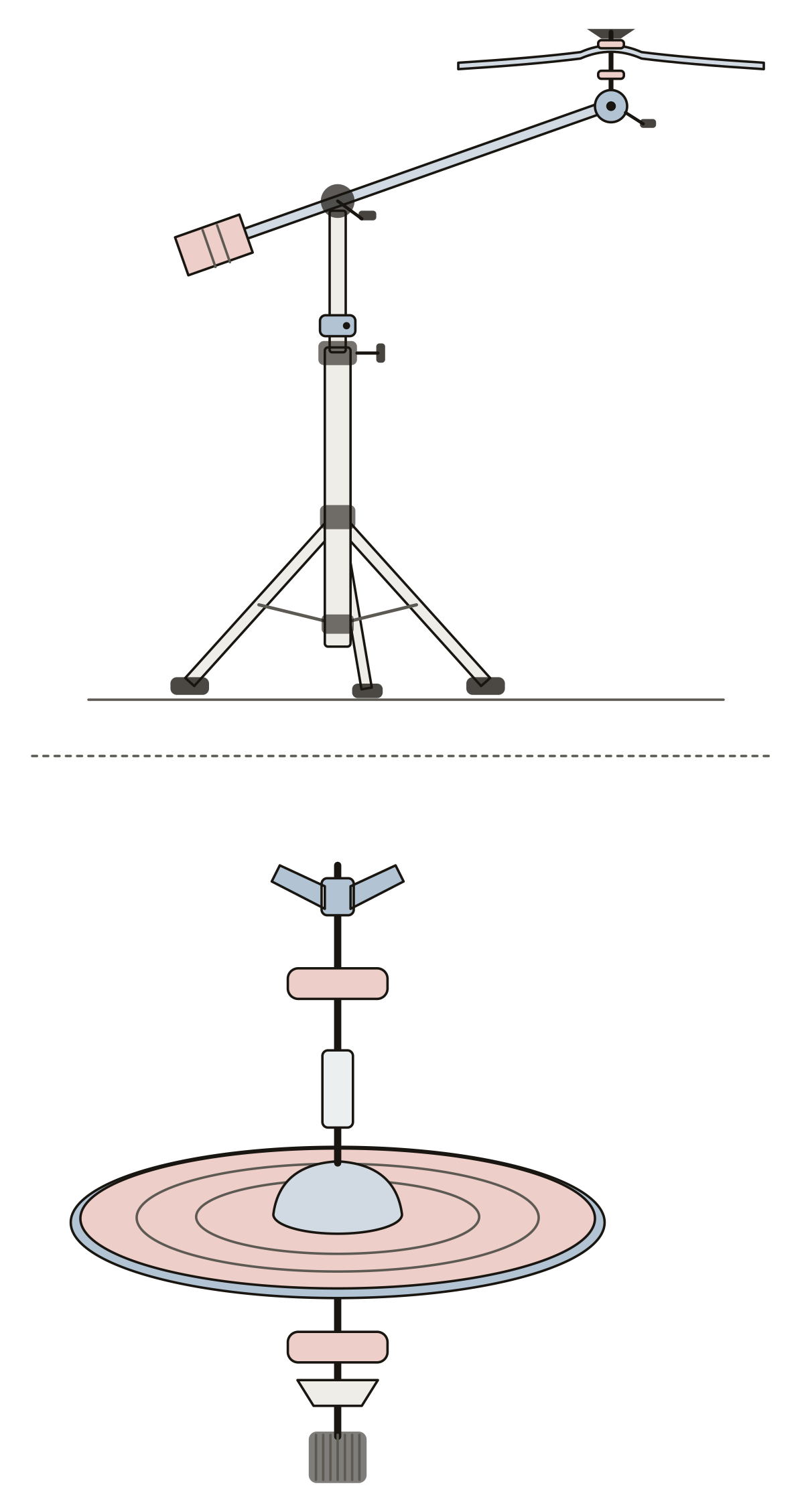 Parts of a Cymbal StandLegs, rubber feet, tubes, memory lock, boom arm, counterweight and tilter, then wing nut, felts, sleeve and the bell, bow and edge of the cymbal.
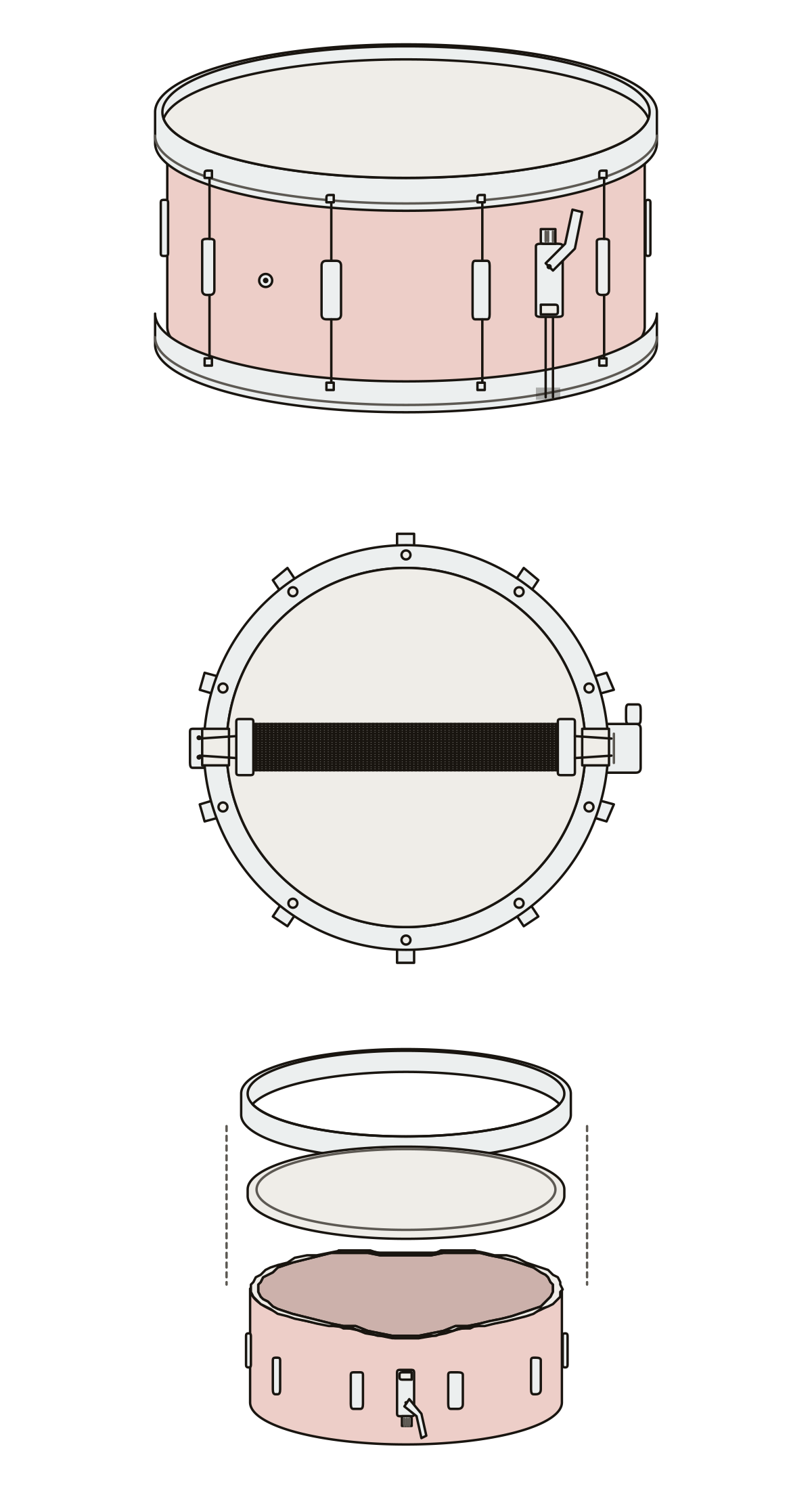 Parts of a Snare DrumBatter head, hoops, shell, lugs, tension rods, strainer, vent hole, snare head, snare wires, snare cord, butt plate, bearing edge, snare beds.
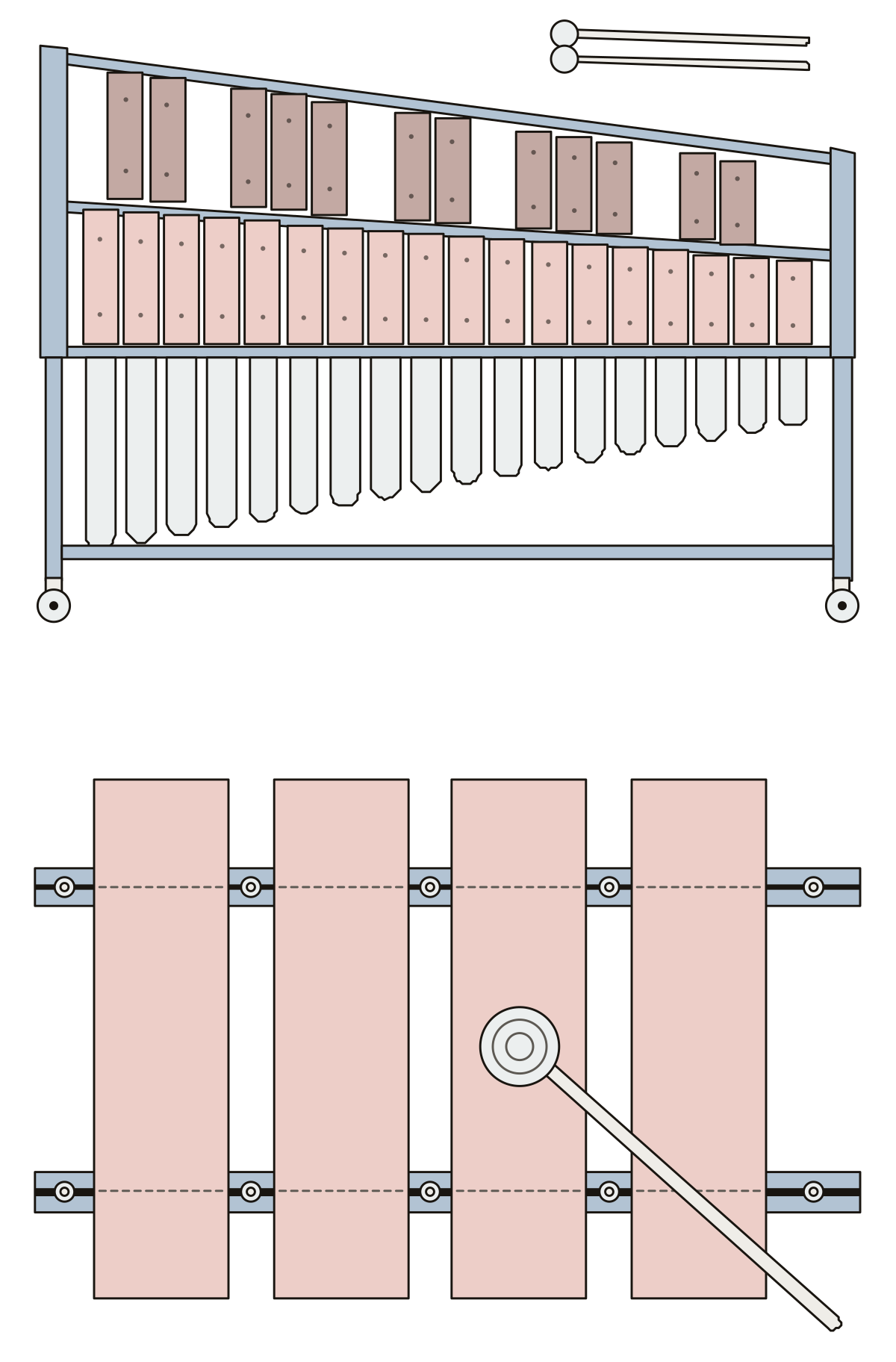 Parts of a XylophoneNatural bars, accidental bars, resonators, frame, legs, casters, mallets, suspension cord, posts, mallet head, mallet shaft.
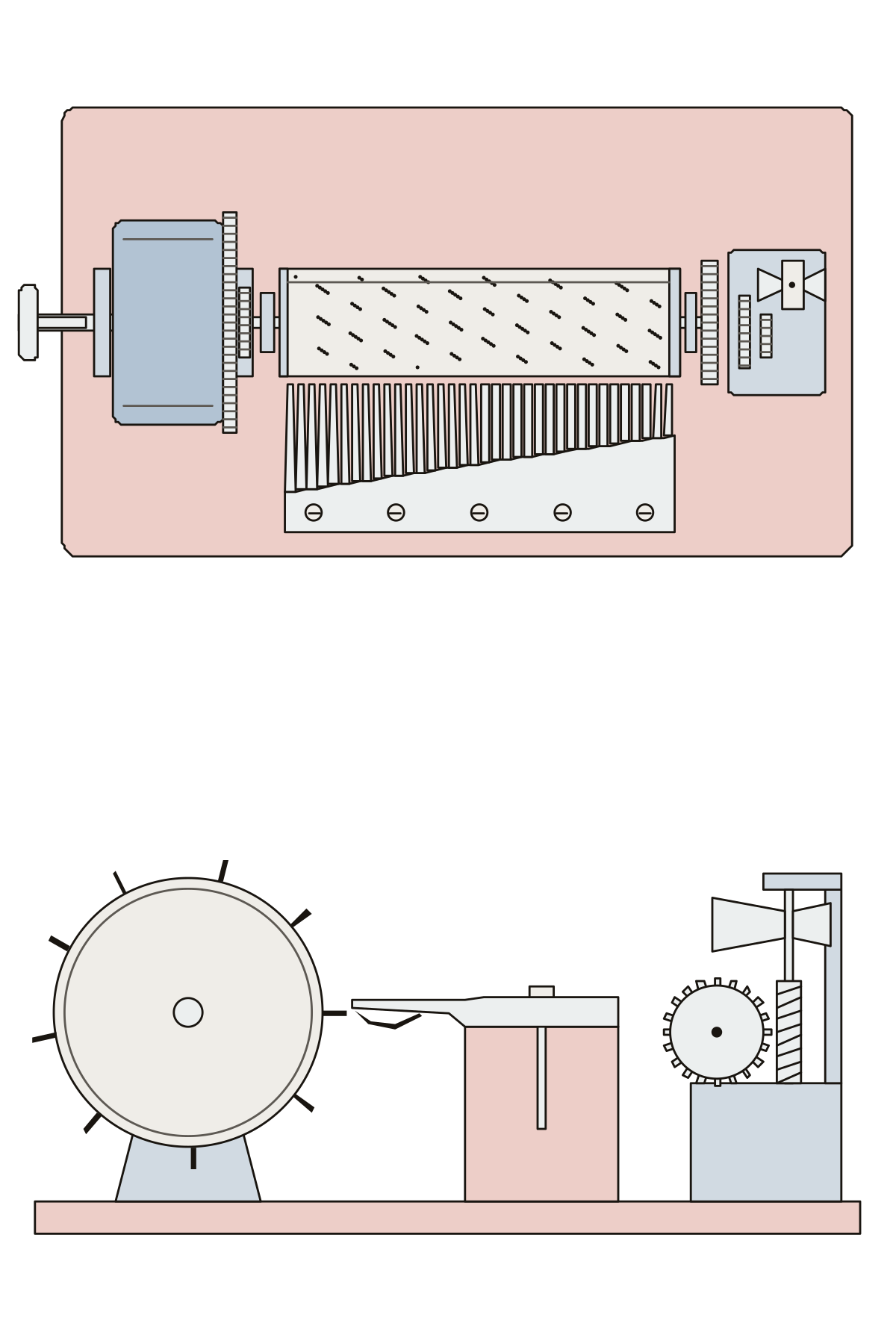 Parts of a Music BoxCylinder, pins, comb, teeth, dampers, spring barrel, winding key, bedplate, great wheel, governor, endless screw, air brake.
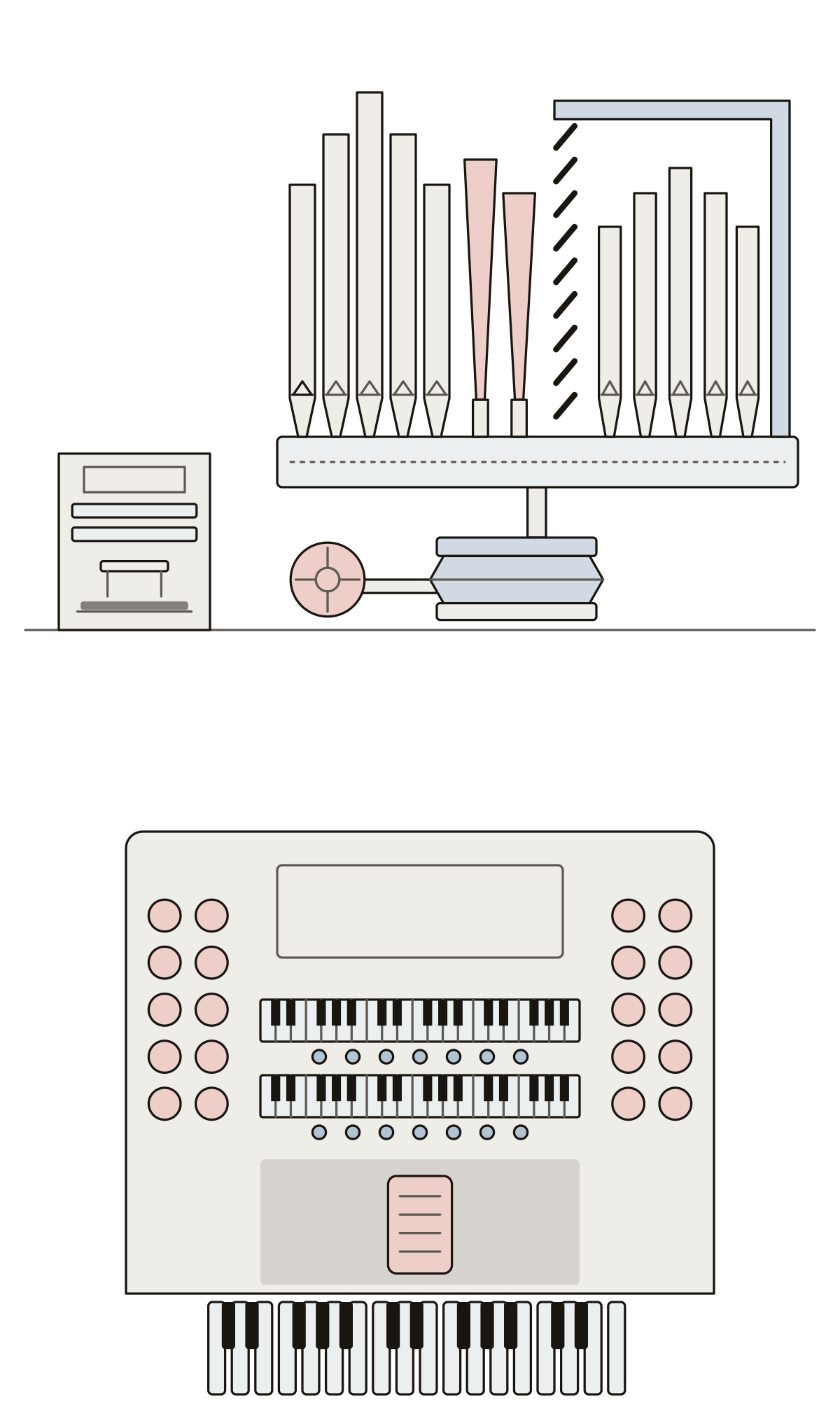 Parts of a Pipe OrganConsole, flue and reed pipes, windchest, swell box and shutters, blower and reservoir, then manuals, stop knobs, pistons, swell pedal and pedalboard.
Audio equipment 12
What records, mixes and plays music back: a microphone and its stand, a mixing board, a PA system in signal order, a loudspeaker driver in section, headphones, a cassette tape, a CD in its case, a record player from plinth to stylus and a whole stereo system.
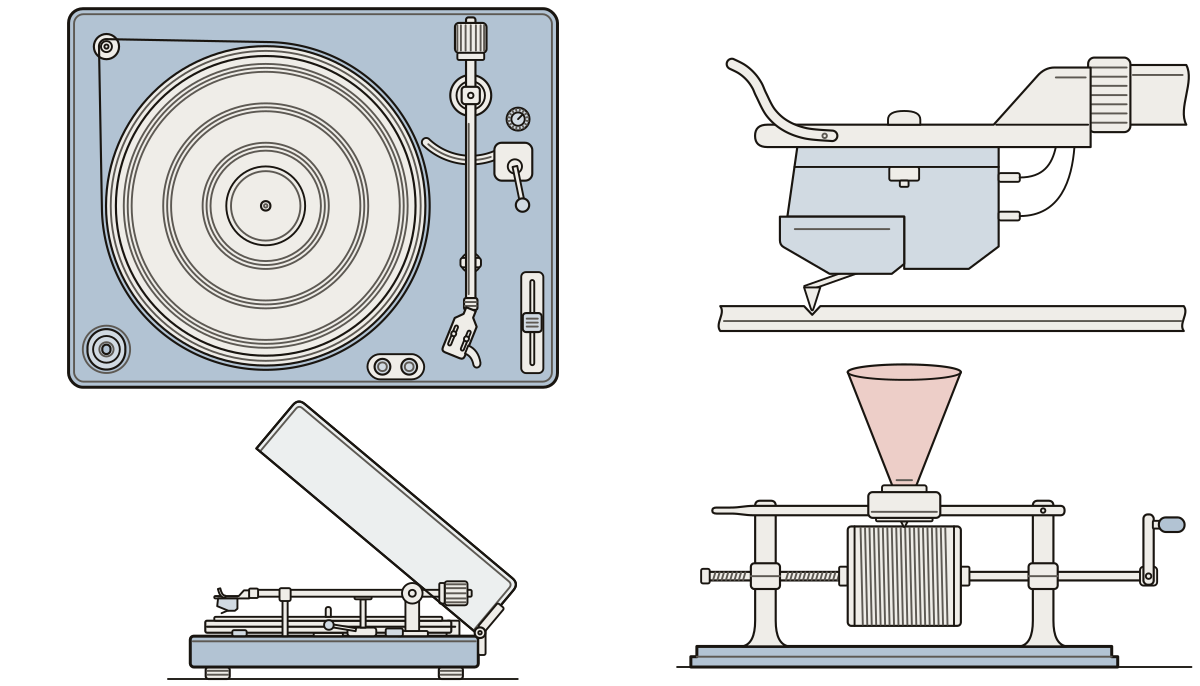 Parts of a Record PlayerA record player from above and from the side, the cartridge enlarged, and an 1877-style phonograph, with 25 numbered parts to study, quiz and print.
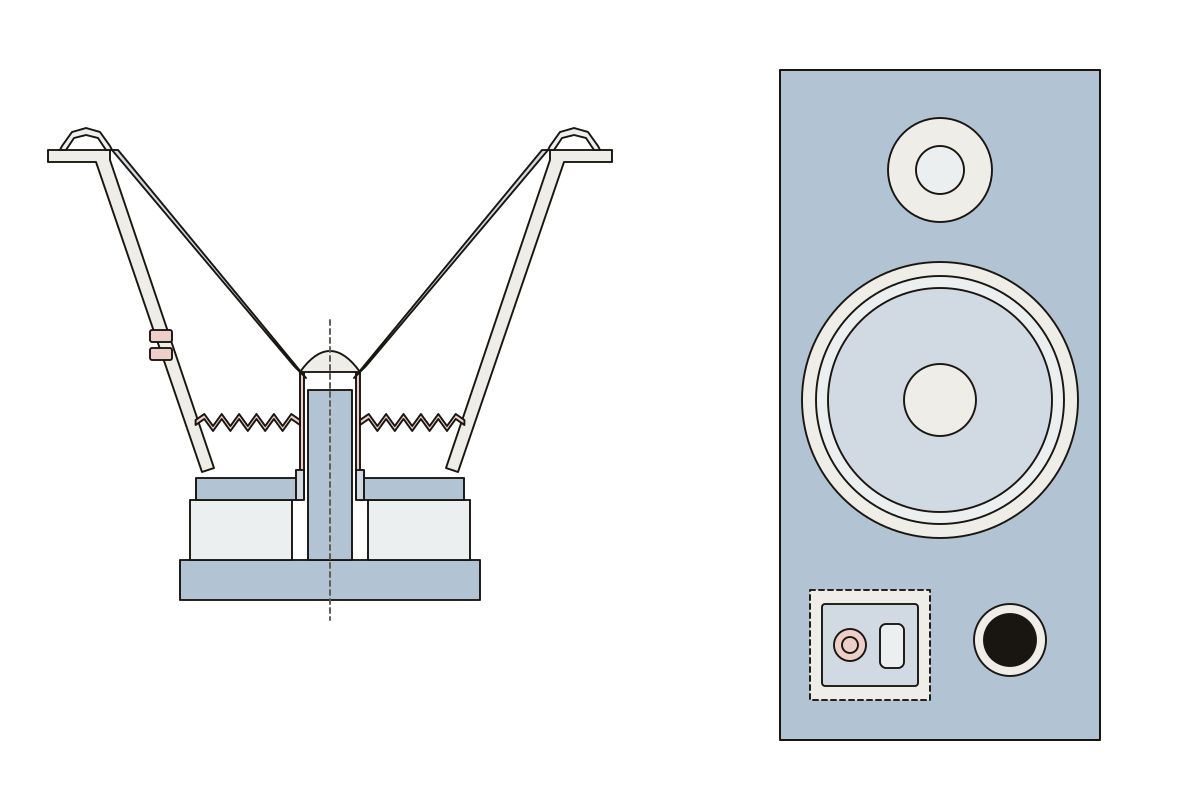 Parts of a SpeakerA loudspeaker driver cut in half and a two-way cabinet: 17 numbered parts, from the cone and spider to the voice coil, magnet, tweeter and crossover. Surround · Pole piece · Voice coil
- Label the Parts of the SpeakerA speaker driver in section and a two-way cabinet as a worksheet: seventeen numbered parts from cone to crossover, a line for each name, and a key. Crossover · Surround · Basket
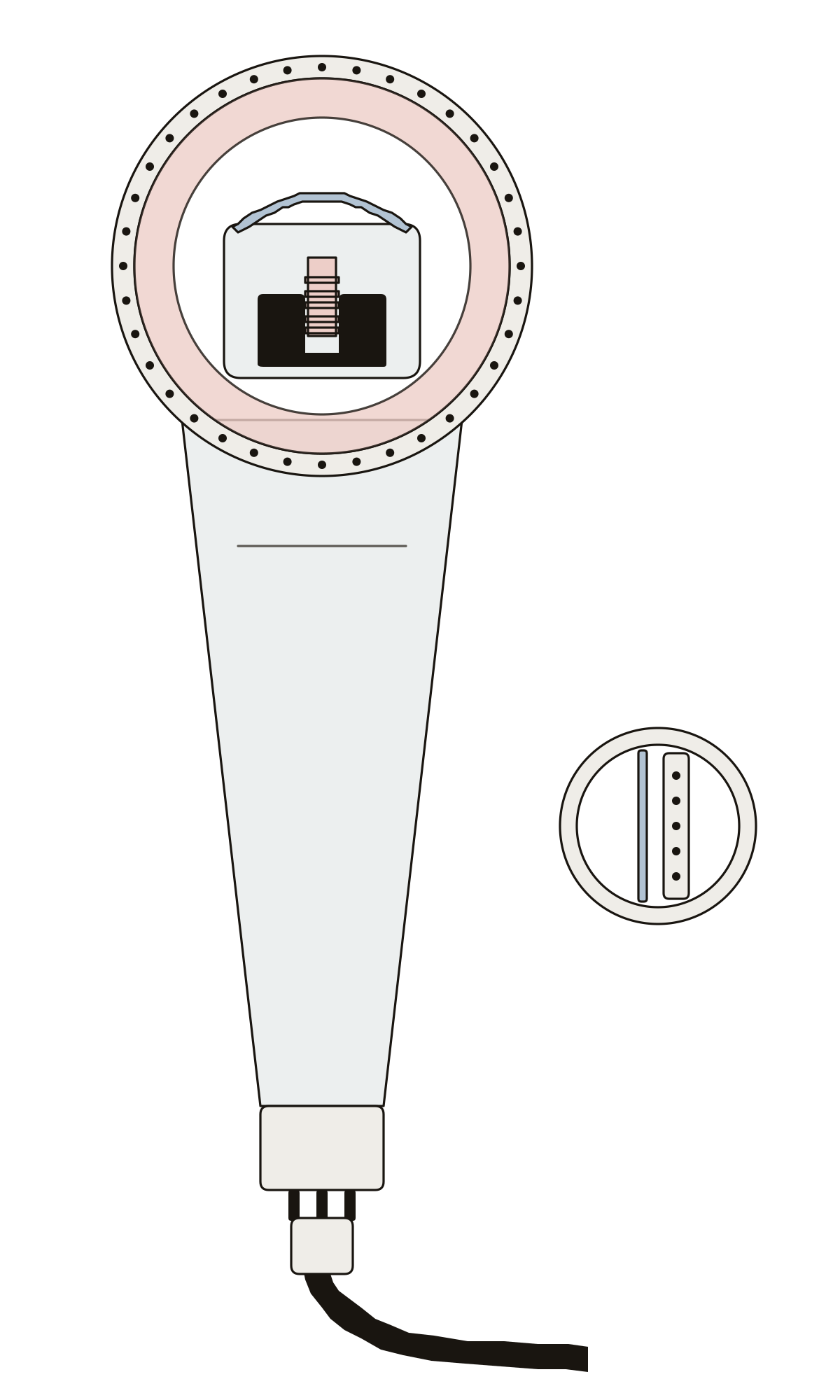 Parts of a MicrophoneA dynamic microphone cut open: 11 numbered parts, from the grille, windscreen and capsule to the diaphragm, coil, magnet and XLR connector. Magnet · Capsule · Grille
- Microphone Labeling QuizA quiz from the first screen on the microphone drawing: find the grille, windscreen and capsule, the diaphragm, coil and magnet inside it, the body, connector and cable, and the two plates of a condenser capsule. Magnet · XLR connector · Body
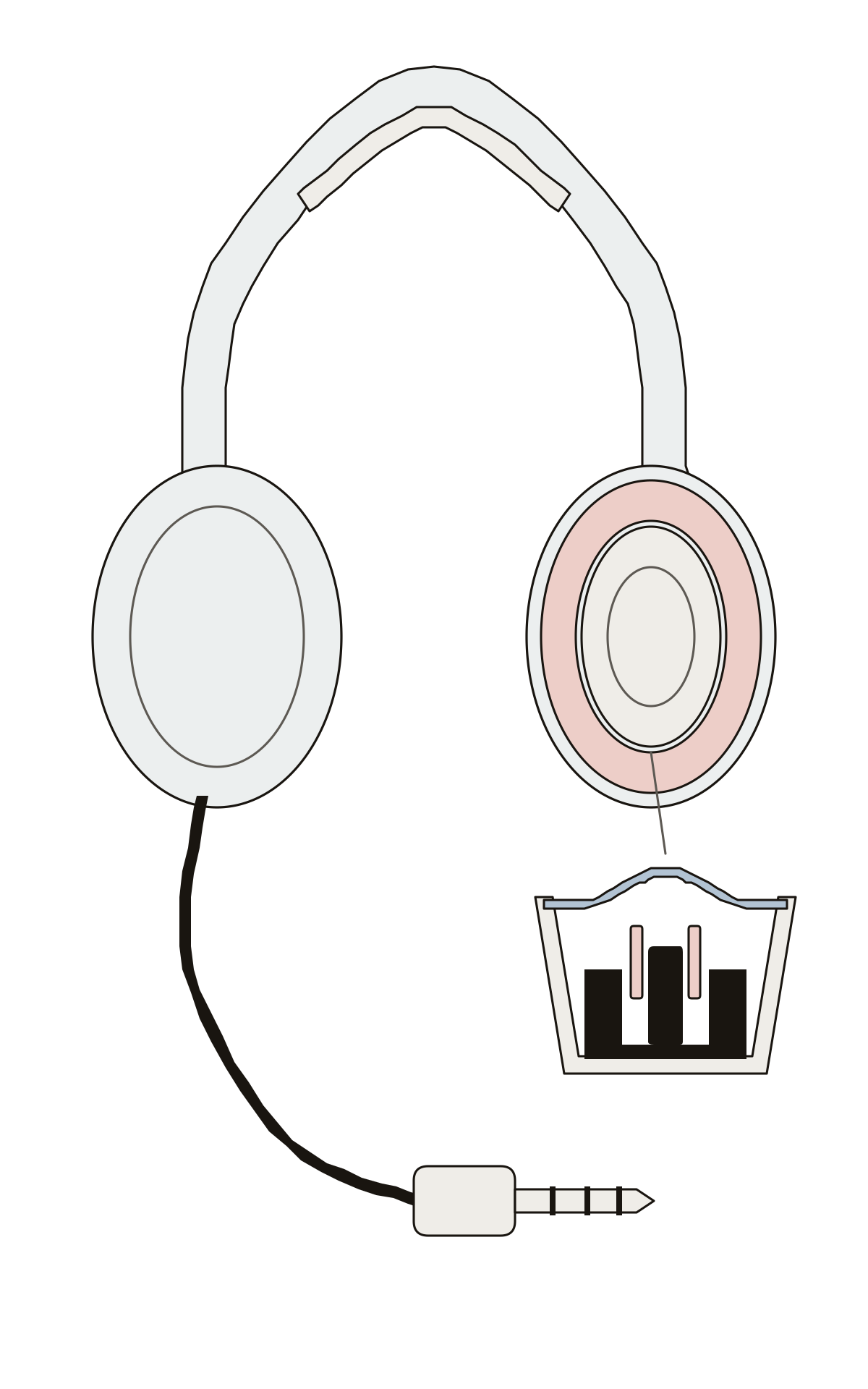 Parts of a HeadphoneOver-ear headphones: 9 numbered parts, from the headband, earcups and ear pads to the driver's diaphragm, voice coil and magnet, the cable and jack. Driver · Ear pad · Earcups
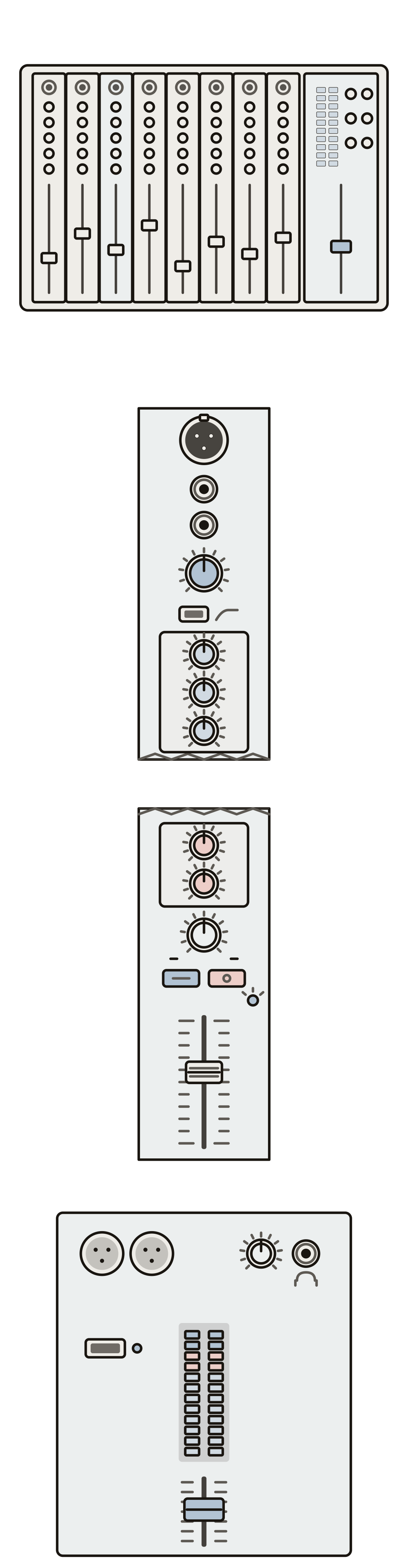 Parts of a Mixing BoardGain, low cut, EQ, aux sends, pan, mute, solo, peak light and fader on a channel strip, plus phantom power, meters and main fader.
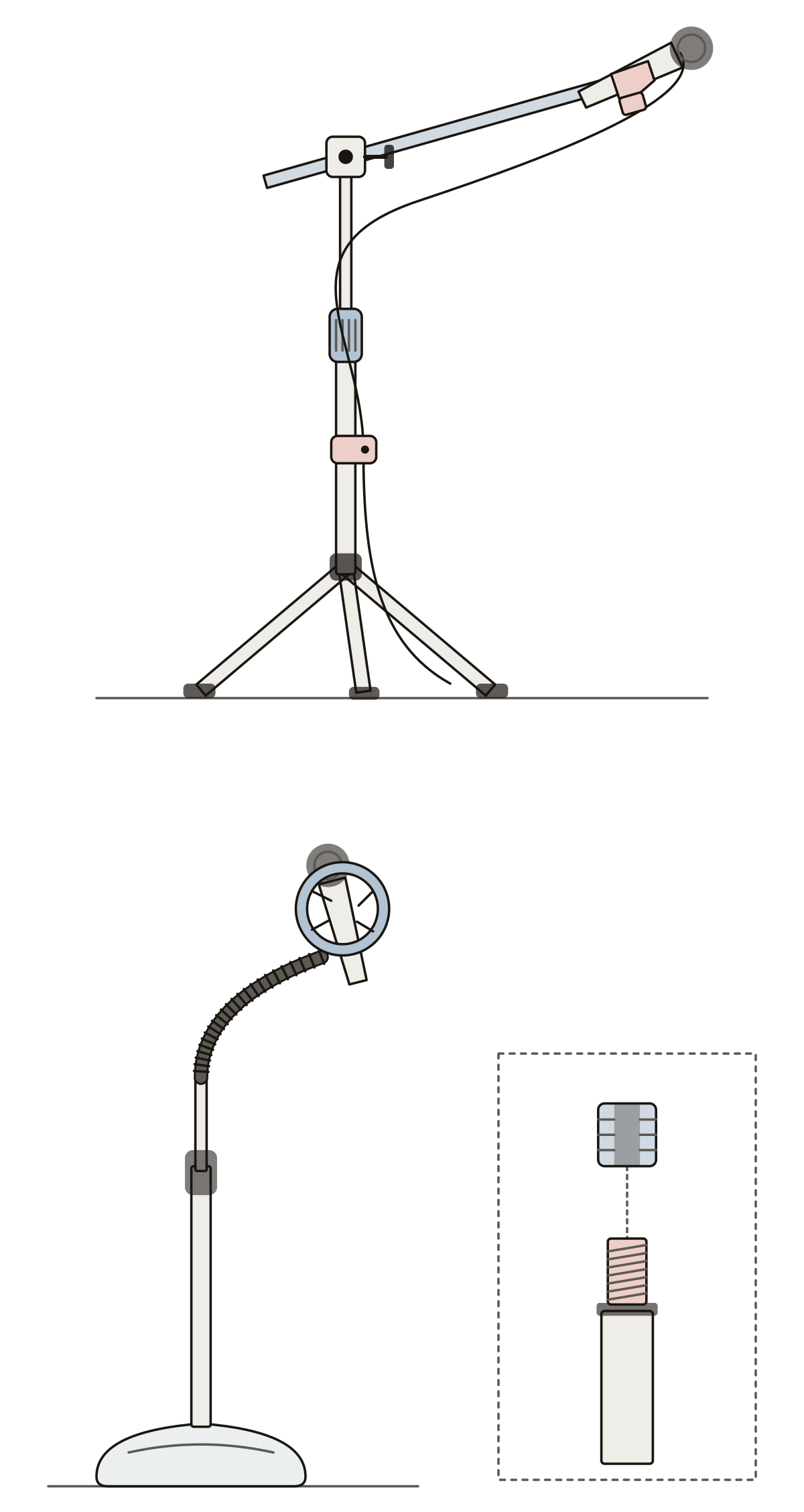 Parts of a Mic StandTripod legs, telescoping tubes, clutch, boom arm, cable clip, microphone clip, round base, gooseneck, shock mount, thread and adapter.
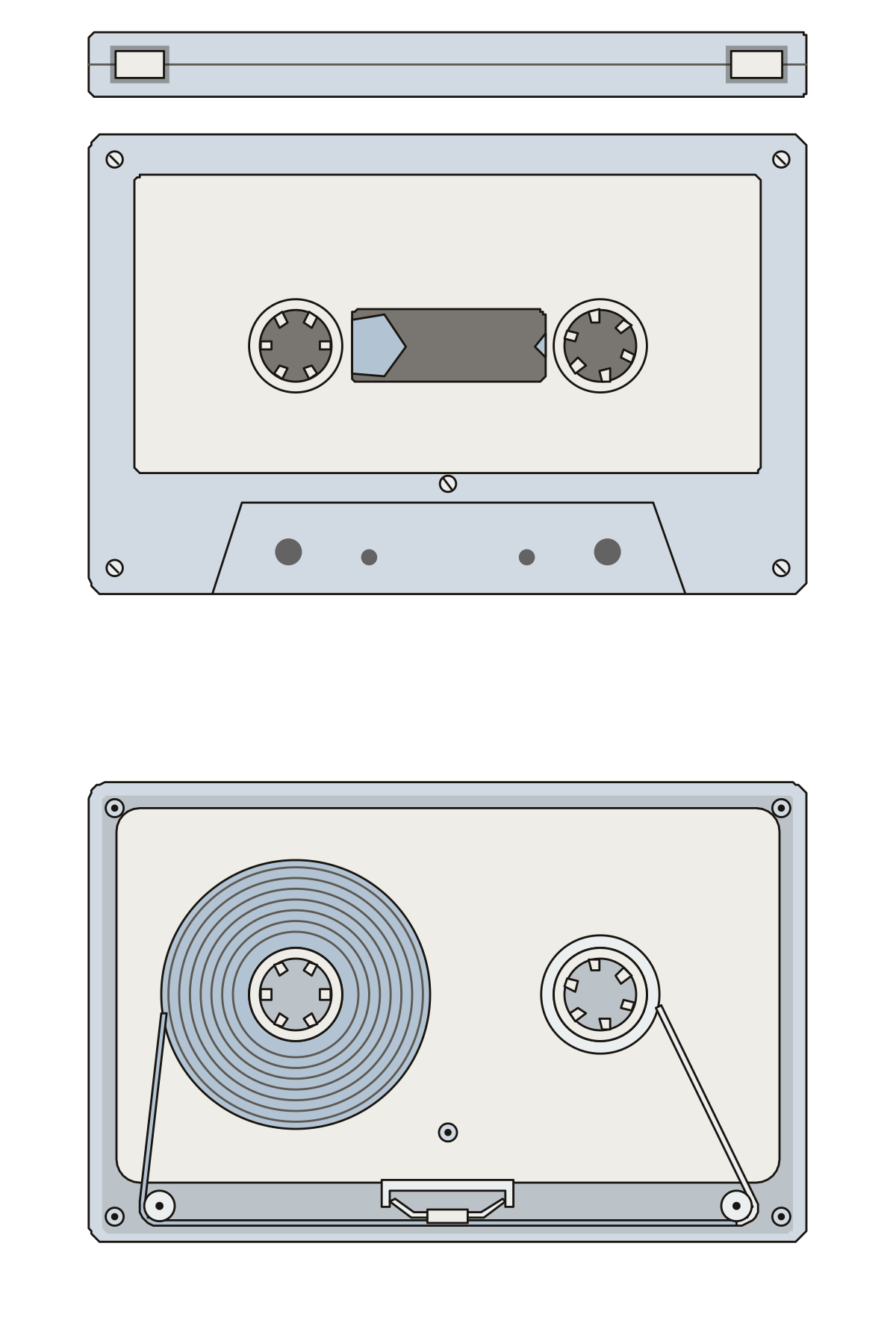 Parts of a Cassette TapeShell, window, write-protect tabs, hubs, magnetic tape, leader, guide rollers, pressure pad, shield, slip sheet.
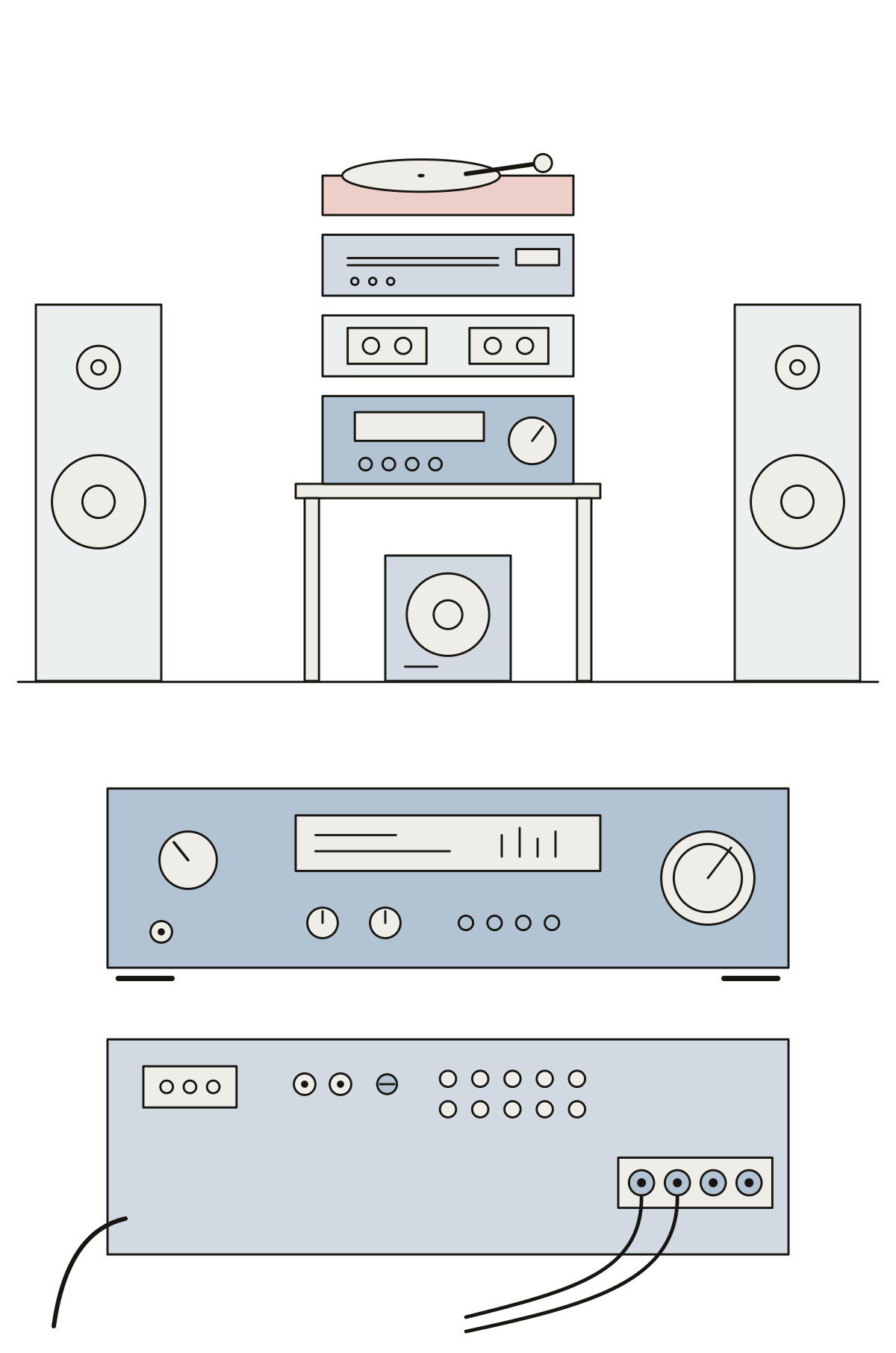 Parts of a Stereo SystemSpeakers, receiver, turntable, CD player, cassette deck and subwoofer; then the volume control, input selector, phono input and speaker outputs.
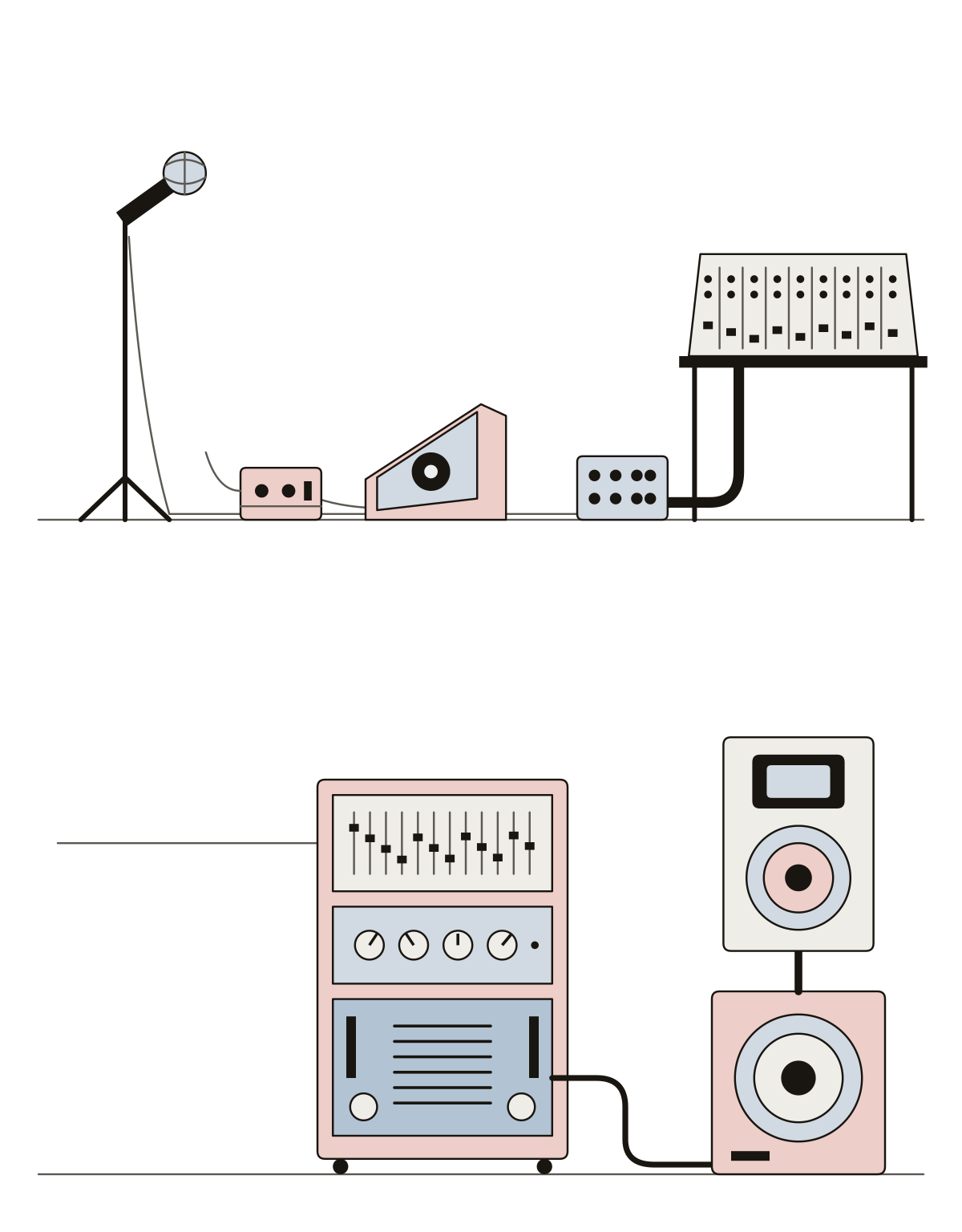 Parts of a Public Address SystemMicrophone, DI box, stage monitor, snake and mixing console; then the equalizer, crossover and power amplifier in the rack, the speaker cable, the subwoofer and the main loudspeaker.
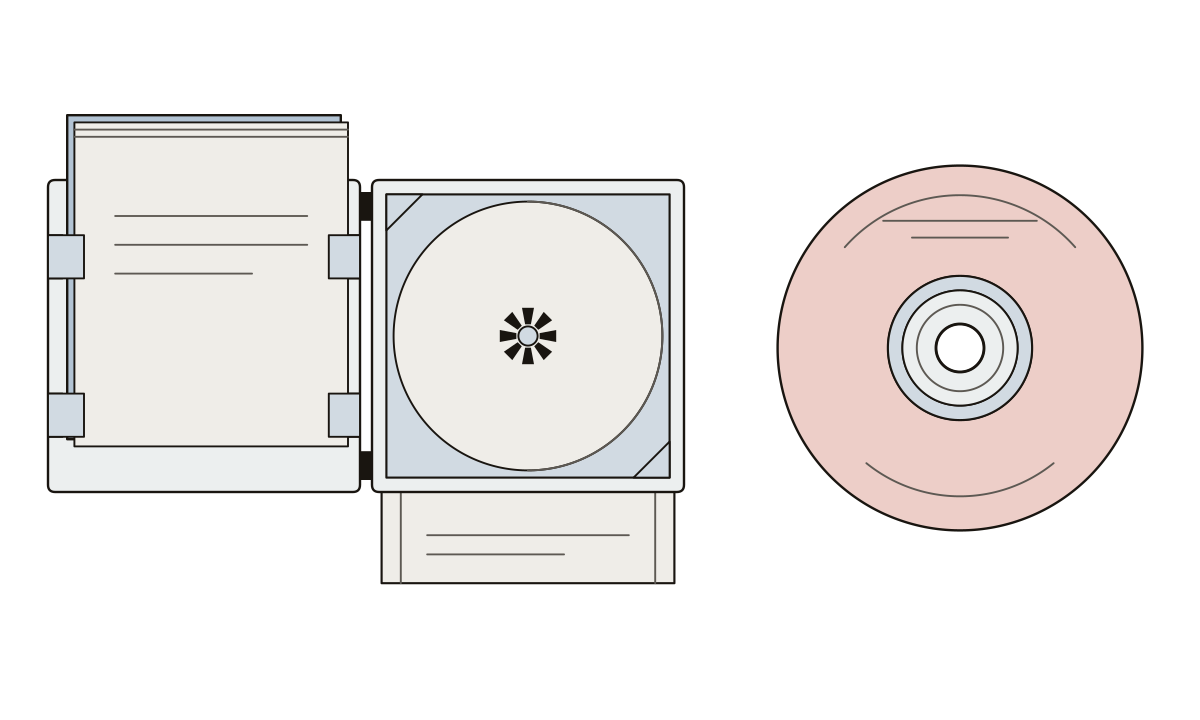 Parts of a CD CaseLid, booklet, tray, hub and inlay card; on the disc, label side, center hole, clamping area and mirror band.
More about these tools
These pages are that sheet, made to be used. Each is one drawing of an instrument or a piece of audio equipment, with a numbered ring on every part. Open Study to read each name with a line on what the part does. Switch to Find it or Name it to be quizzed, and missed parts come back at the end.
Teachers can print any drawing blank for the class and labeled for the key. It covers strings, winds, keyboards, percussion and audio gear, and the notes of a guitar neck and a bass neck. Names follow an instrument maker's published guide and reference articles, checked on the date each page shows.
Keep exploring
- Animal body-part diagrams (94)
- Blank US maps (61)
- Blank maps (159)
- Bone labeling quizzes (49)
- Capitals quizzes (11)
- Car and engine part diagrams (54)
- Cell and organelle diagrams (63)
- Clothing, shoes and jewelry (45)
- Computer, phone and camera diagrams (43)
- Anatomy concept maps (1)
- Country map quizzes (28)
- Animal anatomy diagrams (100)
- Science Quizzes
- All quizzes