Clothing, Shoe and Jewelry Parts: Labeled Diagrams of Things You Wear
One drawing per page of something you wear, with a numbered ring on every part, from the aglet on a shoelace to the welt of a dress shoe.
Most people land here holding the thing and missing the word. The sheath on the end of a shoelace is the aglet.
45 pages
Shoes, boots and skates 8
A sneaker and a dress shoe on one drawing, then a boot, a high heel, a pointe shoe, a sandal, a sock, an ice skate and a roller skate. Open them before writing to a cobbler.
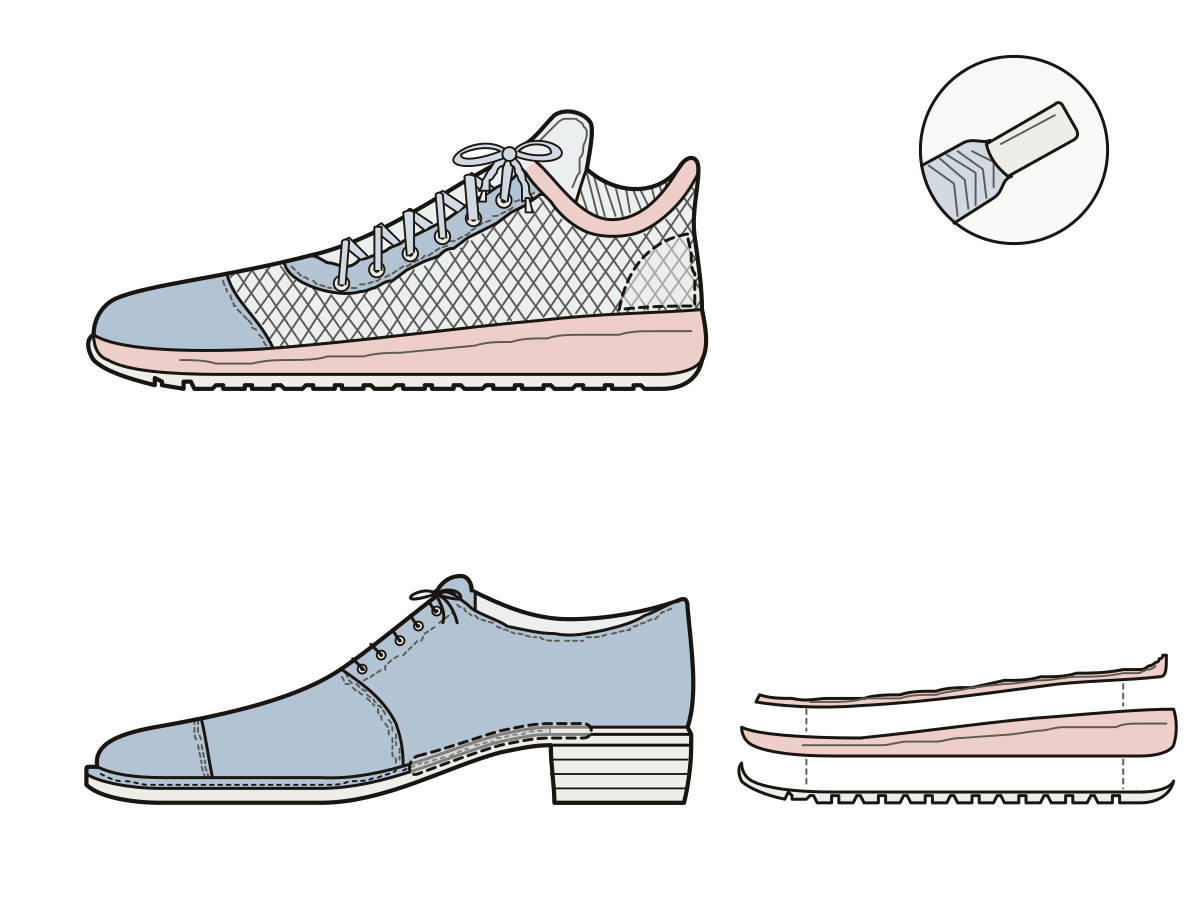 Parts of a Sneaker and a Dress ShoeA sneaker and a dress shoe in side view with 18 parts to find or name, from the toe box, eyestay and collar to the welt, the shank and the heel.
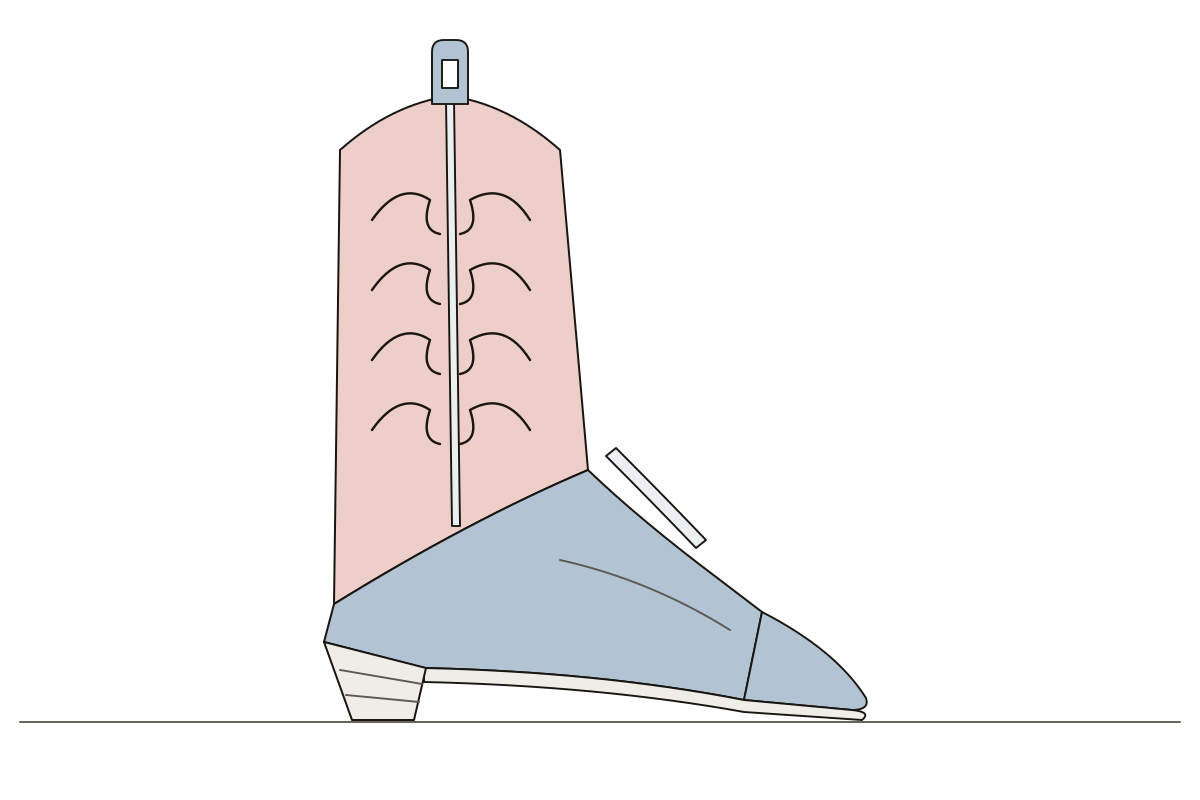 Parts of a BootA cowboy boot from the side: 9 numbered parts, from the shaft, stitching and pull strap to the instep, vamp, toe, sole and riding heel. Piping · Instep · Stitching
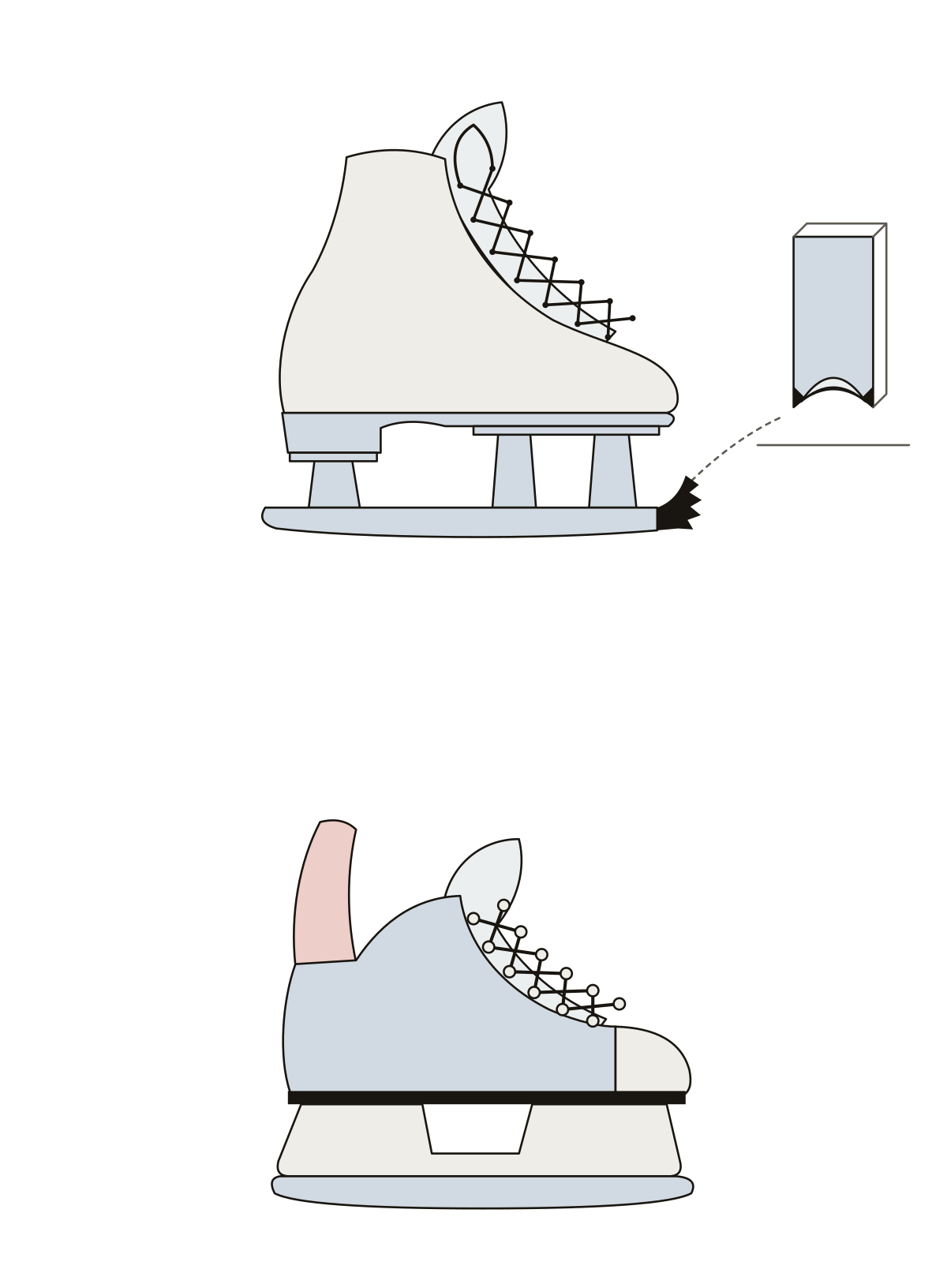 Parts of an Ice SkateBoot, tongue, laces, blade, toe pick, hollow and edges on a figure skate; blade holder, runner, tendon guard and eyelets on a hockey skate.
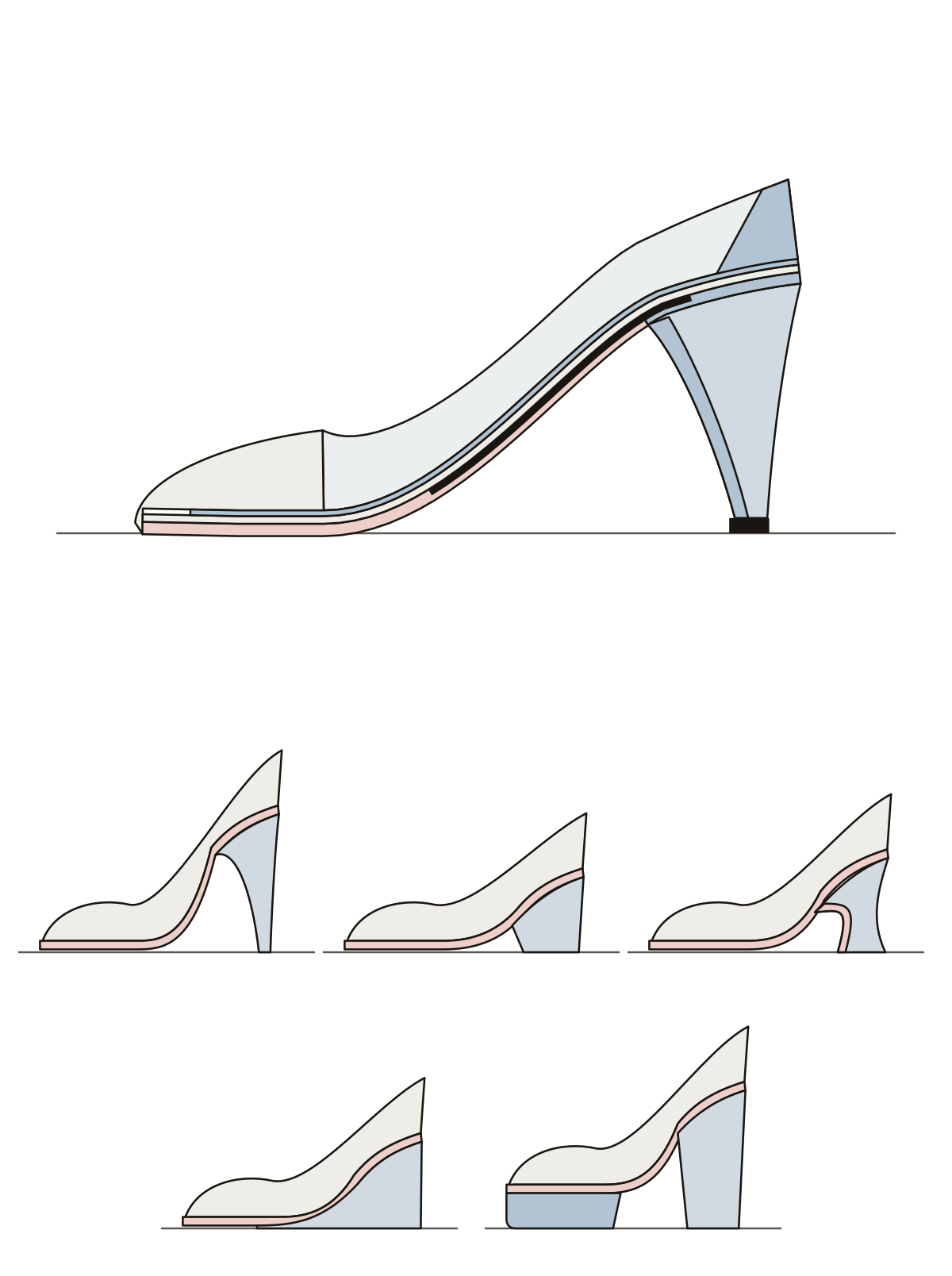 Parts of a Heel on a High-Heeled ShoeA high-heeled shoe cut lengthwise: vamp, counter, sock, shank, outsole, heel, heel seat, heel breast and top piece, then five kinds of heel.
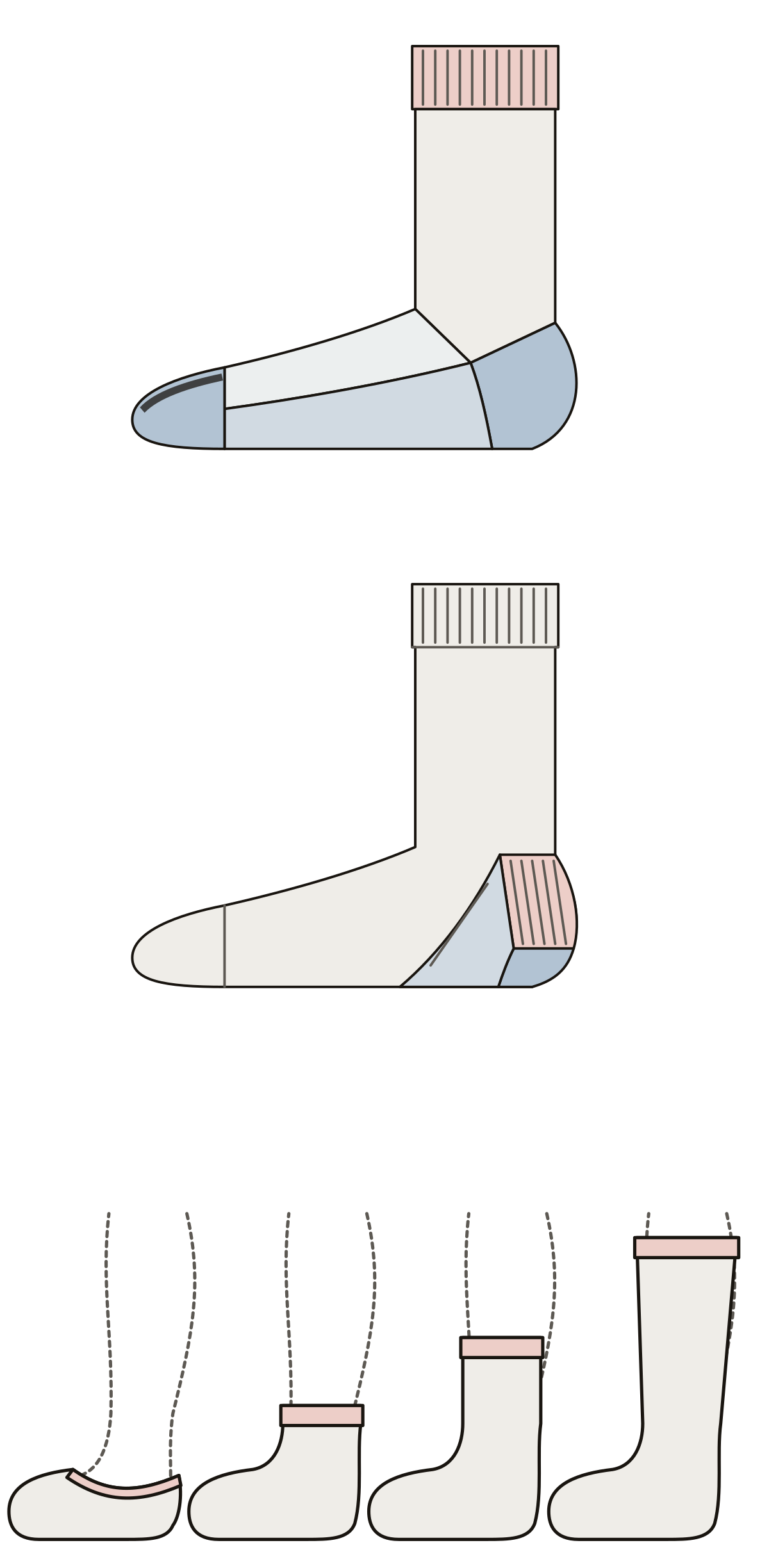 Parts of a SockA sock from the side: cuff, leg, heel, instep, sole, toe and toe seam; a hand-knit heel with its flap, turn and gusset; and four sock lengths.
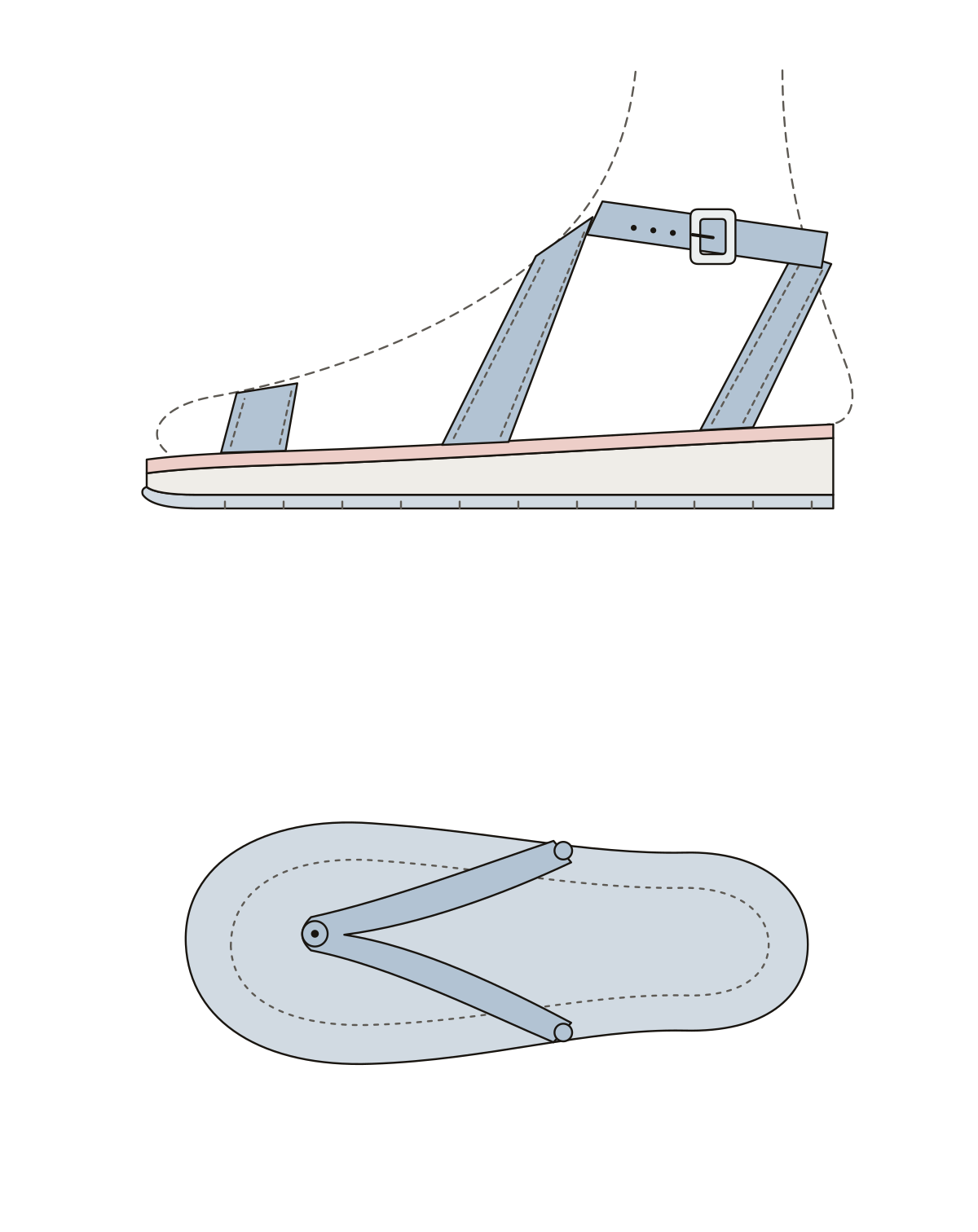 Parts of a SandalA strap sandal and a flip-flop: toe strap, instep strap, ankle strap, buckle, heel strap, footbed, outsole, thong and sole.
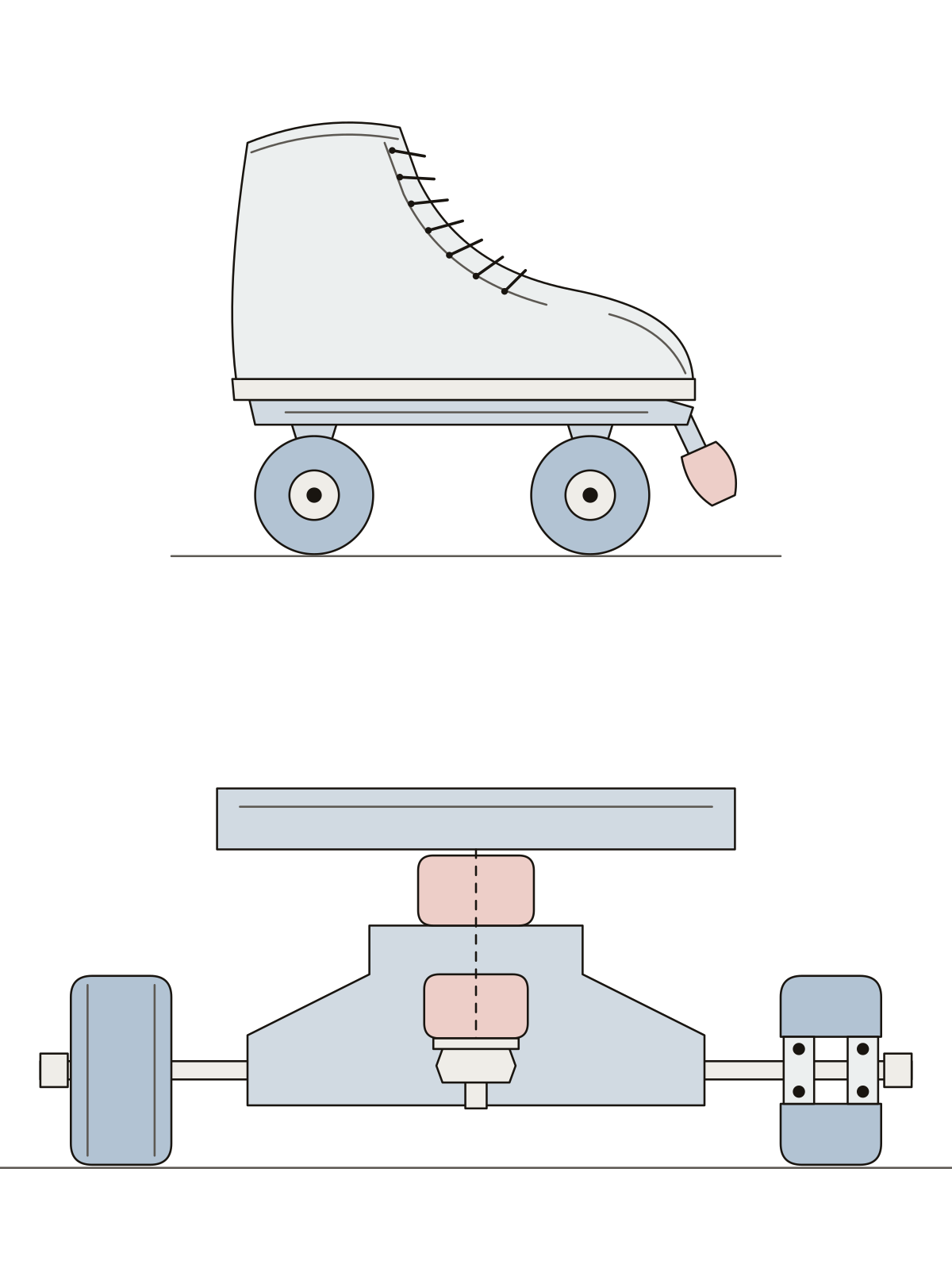 Parts of a Roller SkateA quad roller skate and one of its trucks: boot, wheel, toe stop, plate, sole, truck, axle, bearings, cushions, kingpin.
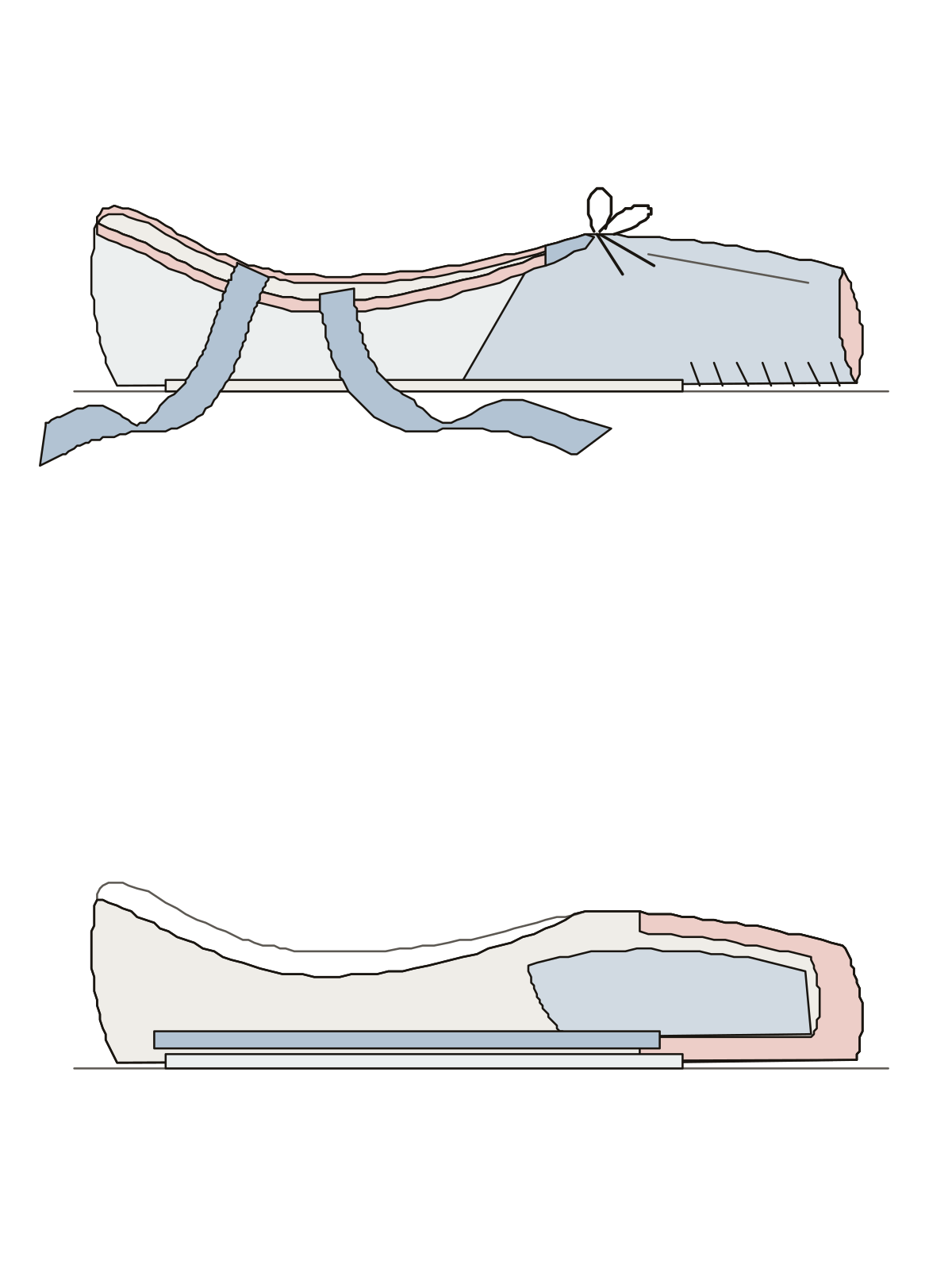 Parts of a Pointe ShoeA ballet pointe shoe, outside and cut open: ribbons, platform, vamp, throat, drawstring, binding, box, wings, shank, sole.
Garments 18
Shirts, jackets, coats, dresses, skirts, pants and sweaters, along with the kimono, the saree, the kilt, the bathrobe and the tuxedo, using the names a sewing pattern or a tailor gives each piece, edge and seam. A space suit ends the set.
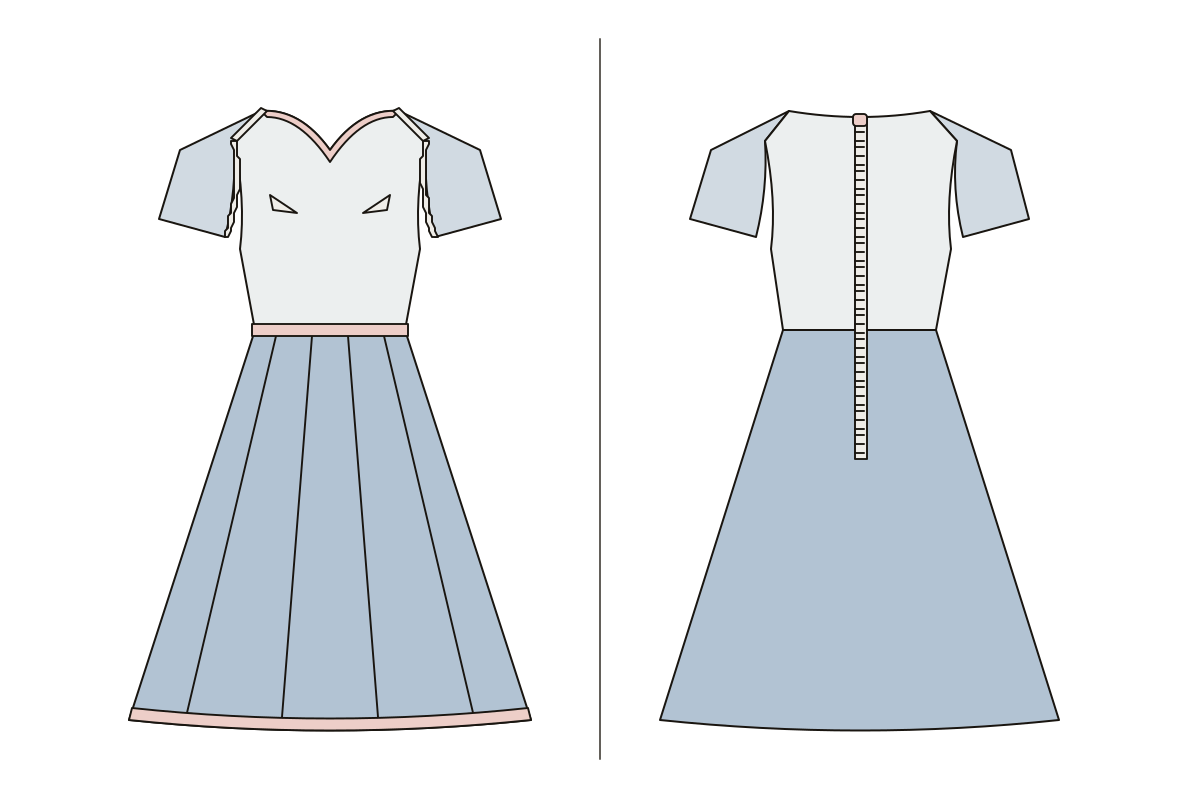 Parts of a DressA dress from the front and the back: 11 numbered parts, from the neckline, bodice and darts to the sleeves, waistline, skirt, pleats, hem and zipper. Shoulder seam · Sleeve · Hem
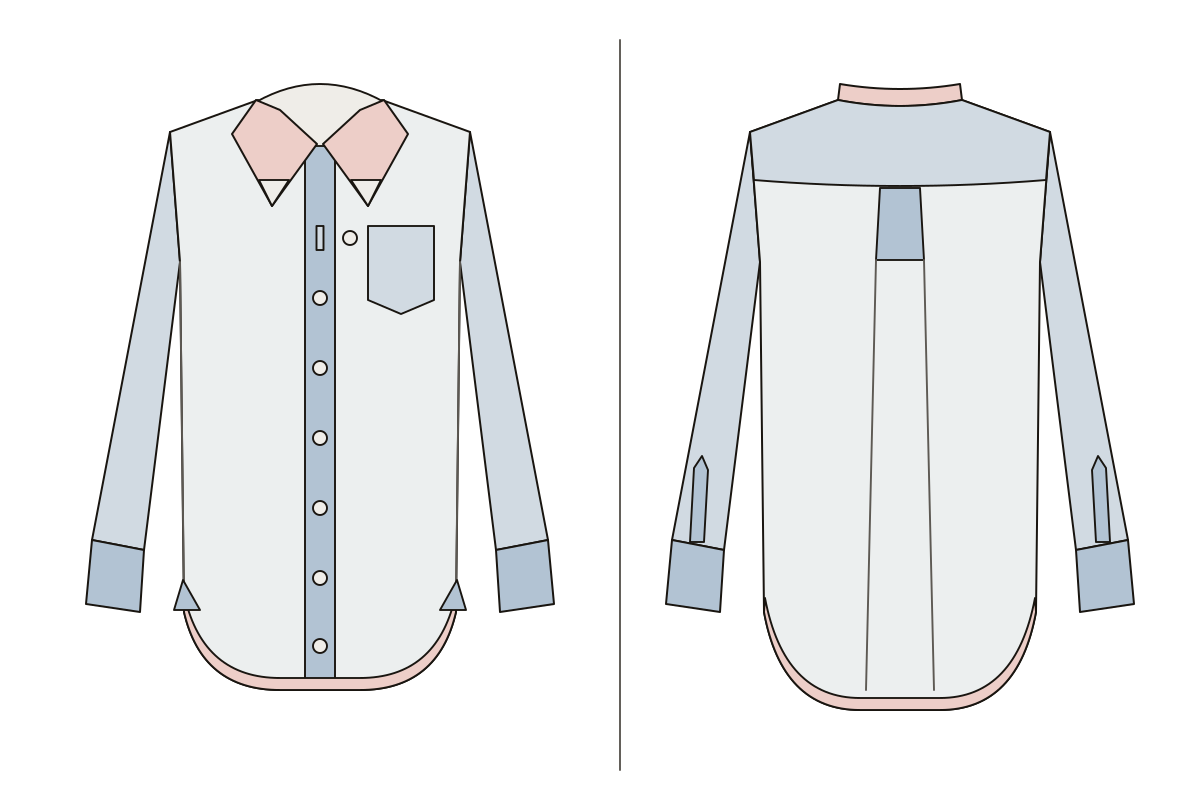 Parts of a ShirtA long-sleeved button-up shirt, front and back: 14 numbered parts, from the collar stand and yoke to the gauntlet, back pleat and gusset. Collar point · Sleeve placket · Collar
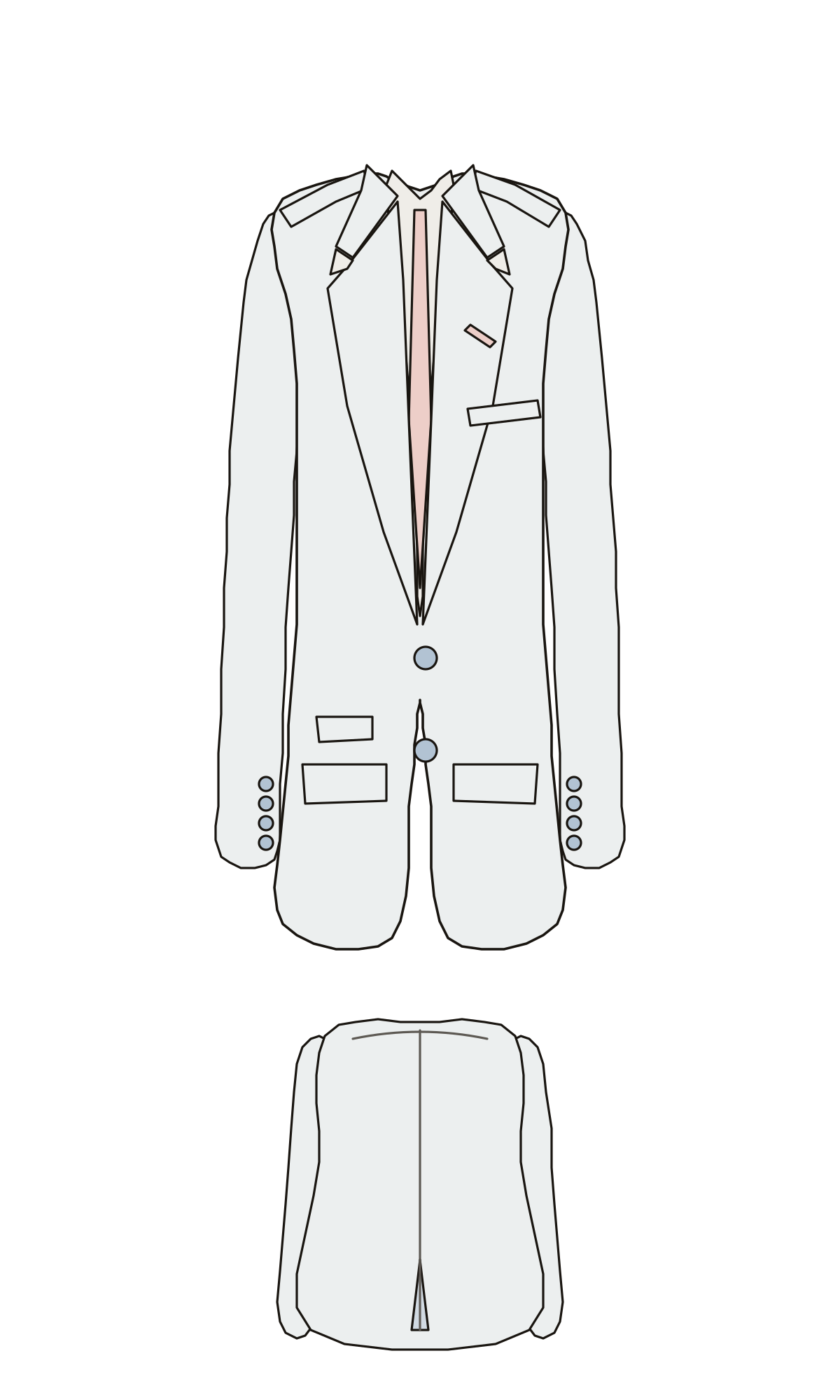 Parts of a JacketA tailored jacket front and back: collar, lapels and notch, lapel buttonhole, shoulders, sleeves, cuff buttons, front buttons, pockets and vent. Breast pocket · Sleeve · Ticket pocket
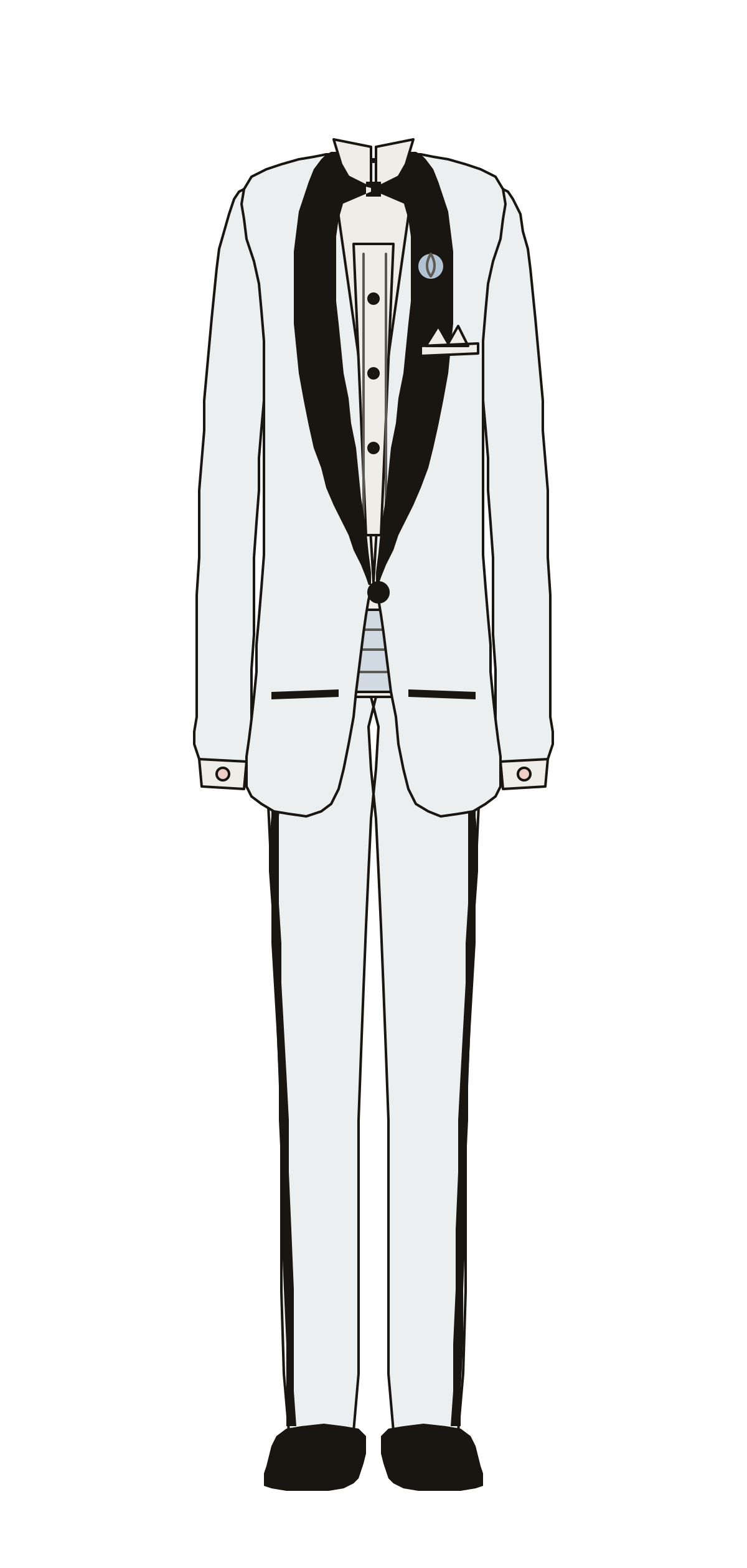 Parts of a TuxedoA tuxedo full length: lapel facings, button, jetted pockets, pocket square, boutonnière, bow tie, wing collar, pleated bib, studs, cufflinks, cummerbund, stripe and shoes. Cummerbund · Lapel facings · Patent shoes
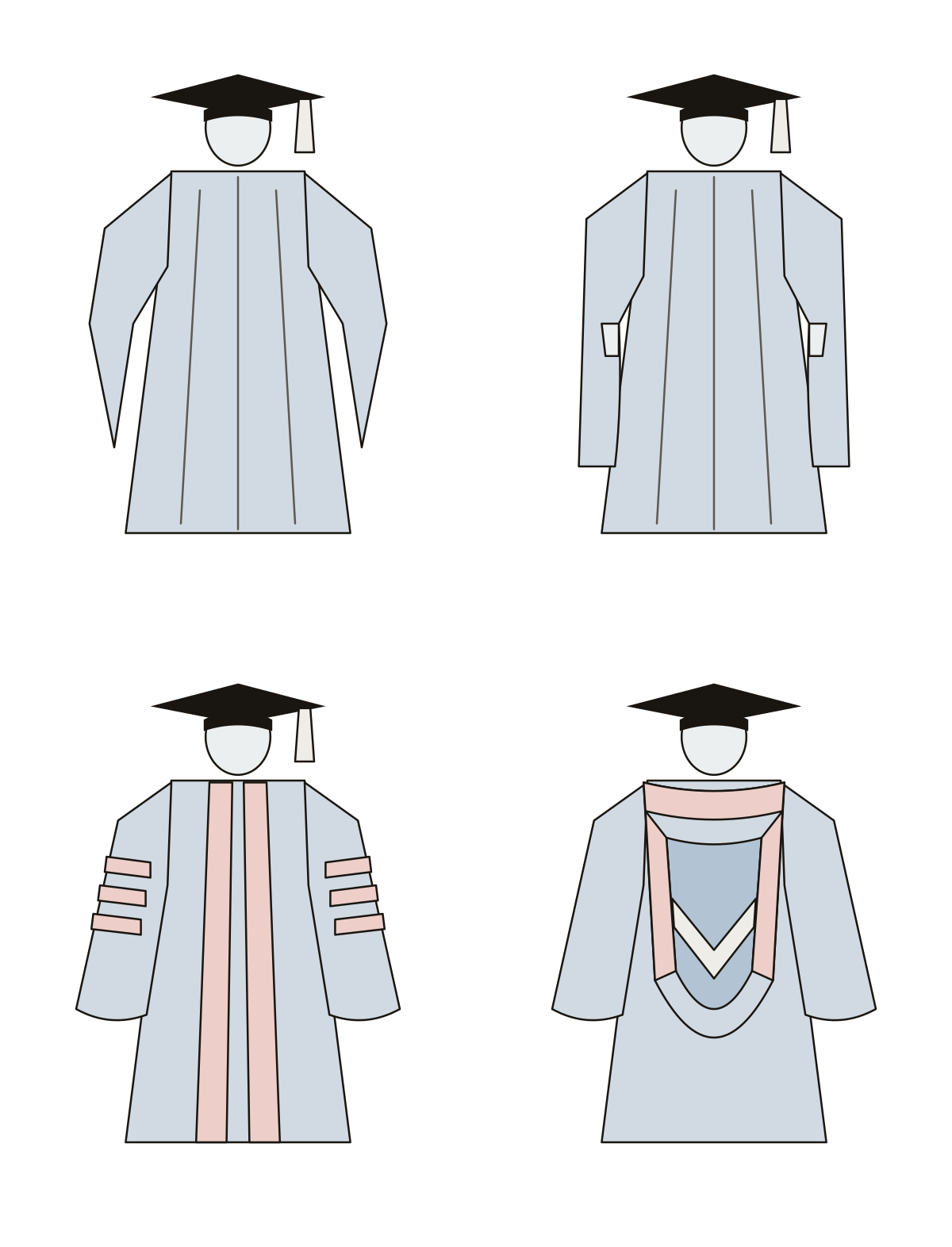 Parts of a Graduation GownMortarboard and tassel, pointed, oblong and bell sleeves, velvet bars and facings, and the hood with its trim, lining and chevron. Bell sleeve (doctoral)
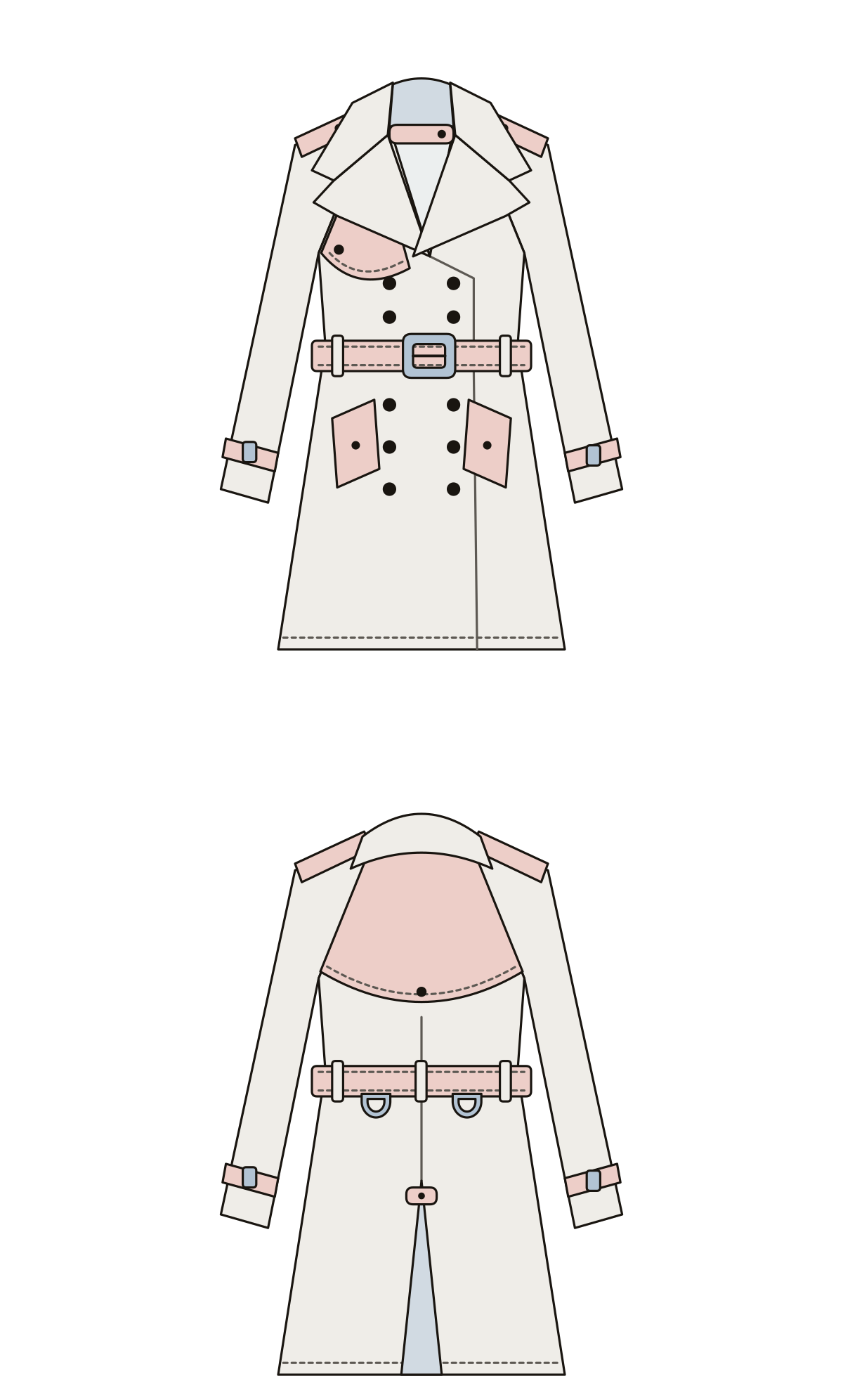 Parts of a Trench CoatA double-breasted trench coat front and back: collar, throat latch, lapels, epaulettes, storm flap, belt and D-rings, cuff straps, back yoke and vent.
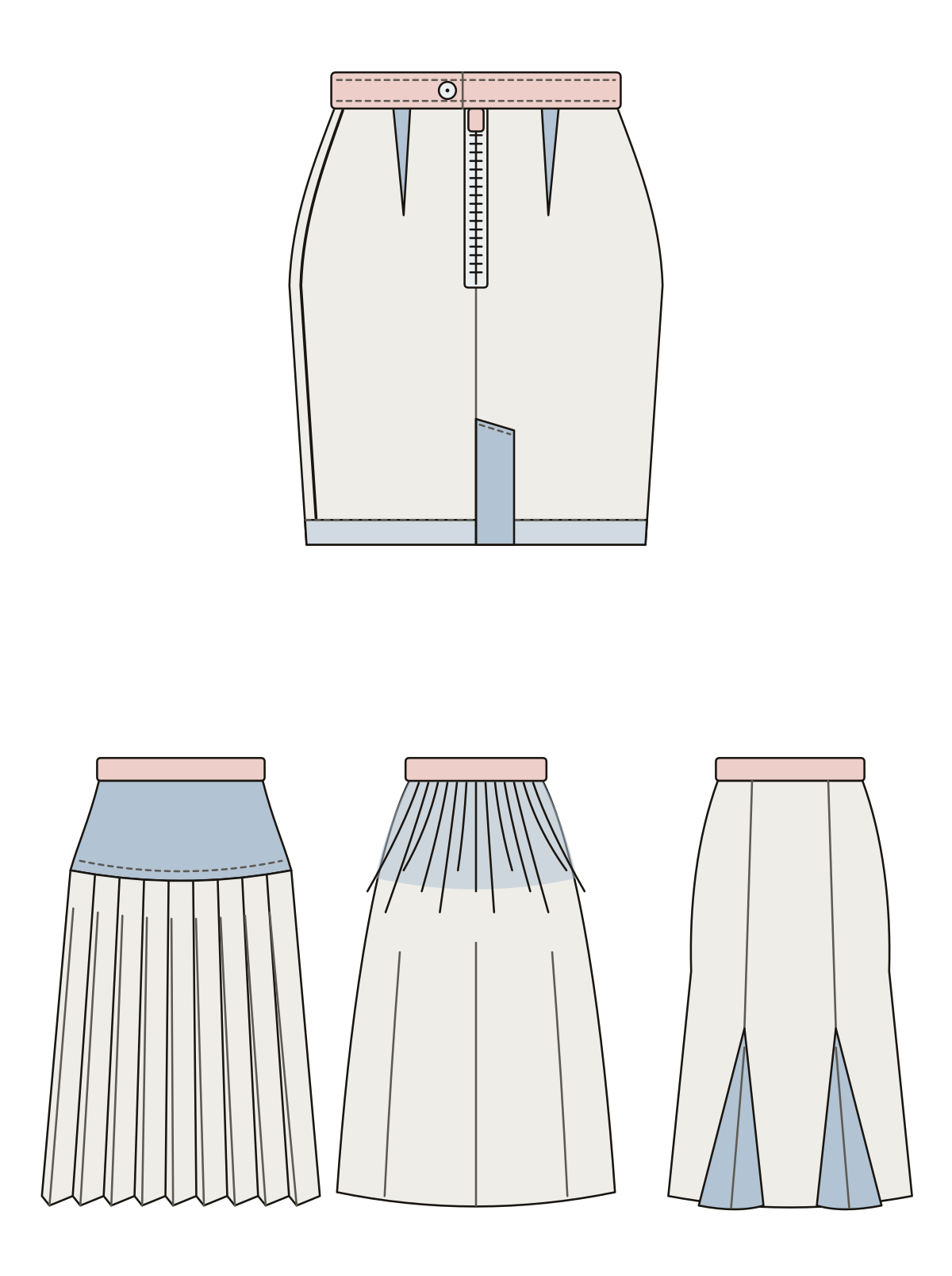 Parts of a SkirtA straight skirt and three others: waistband, dart, zipper, side seam, vent, hem, yoke, knife pleats, gathers and godet.
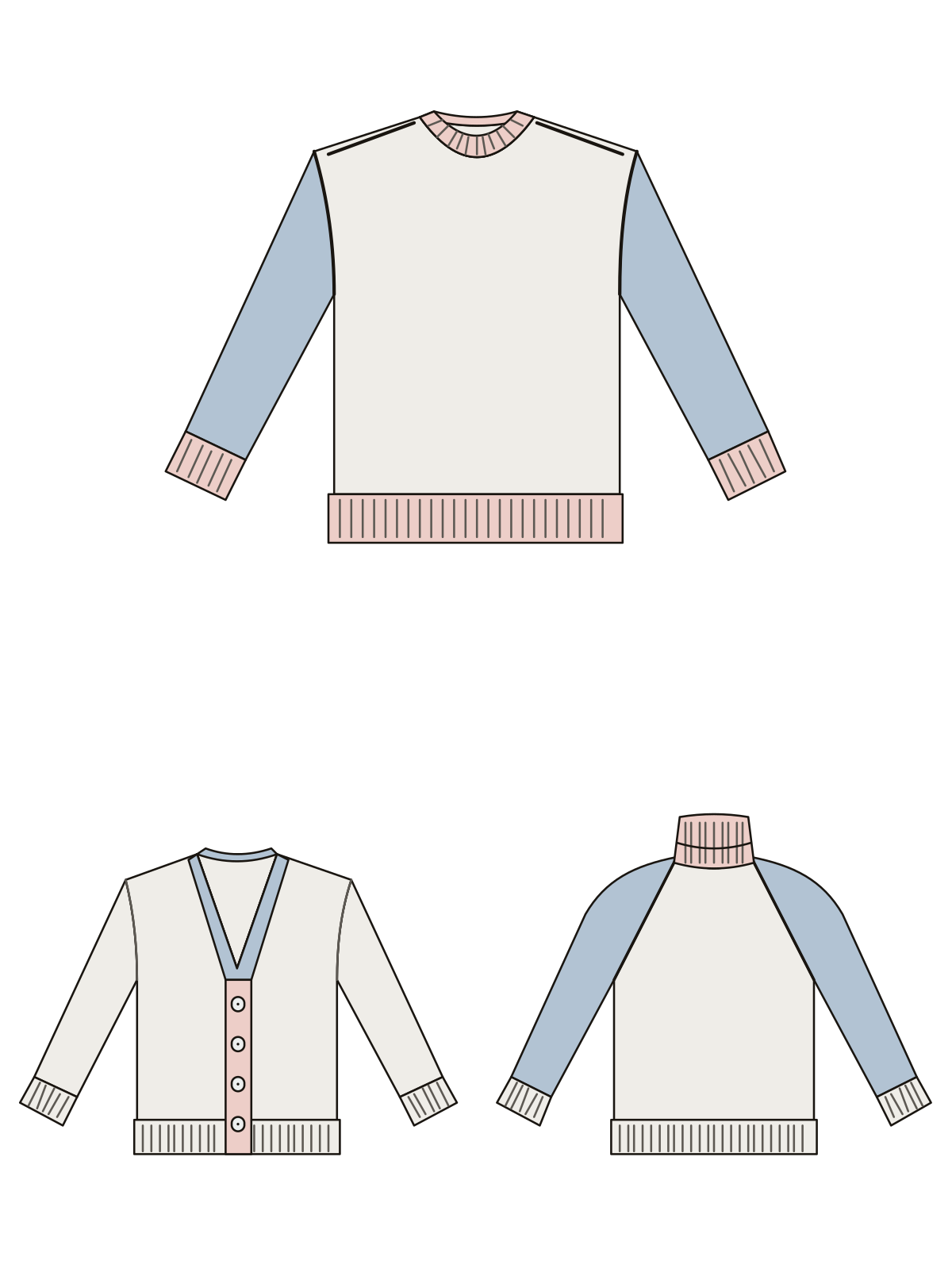 Parts of a SweaterA pullover, a cardigan and a turtleneck: neckband, shoulder seam, armhole, sleeve, cuff, body, ribbed hem, V-neck, button band, raglan sleeve.
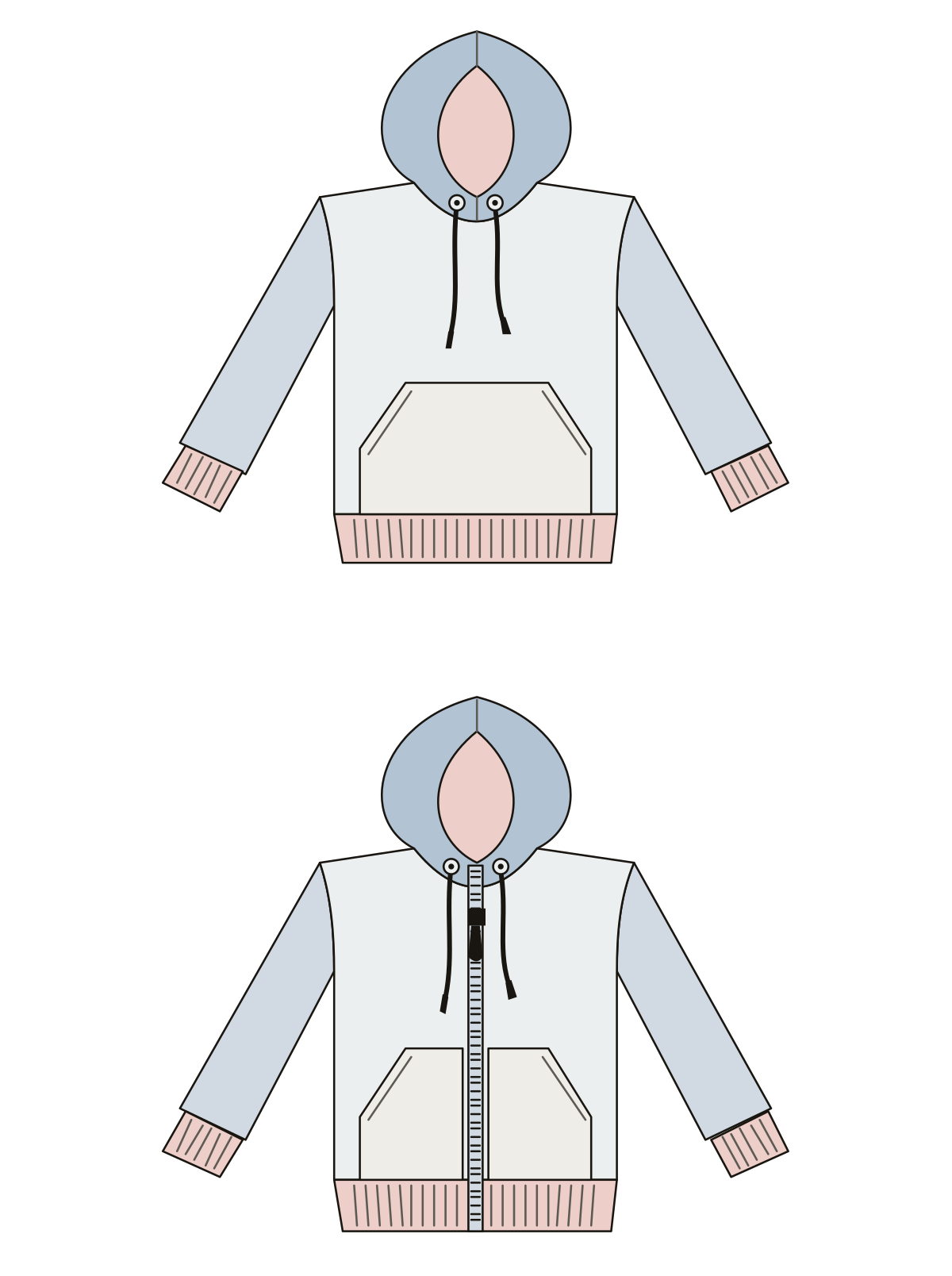 Parts of a HoodieA pullover hoodie and a zip-up hoodie: hood, drawstring, eyelets, kangaroo pocket, sleeve, cuff, waistband, zipper, zipper pull, front pockets.
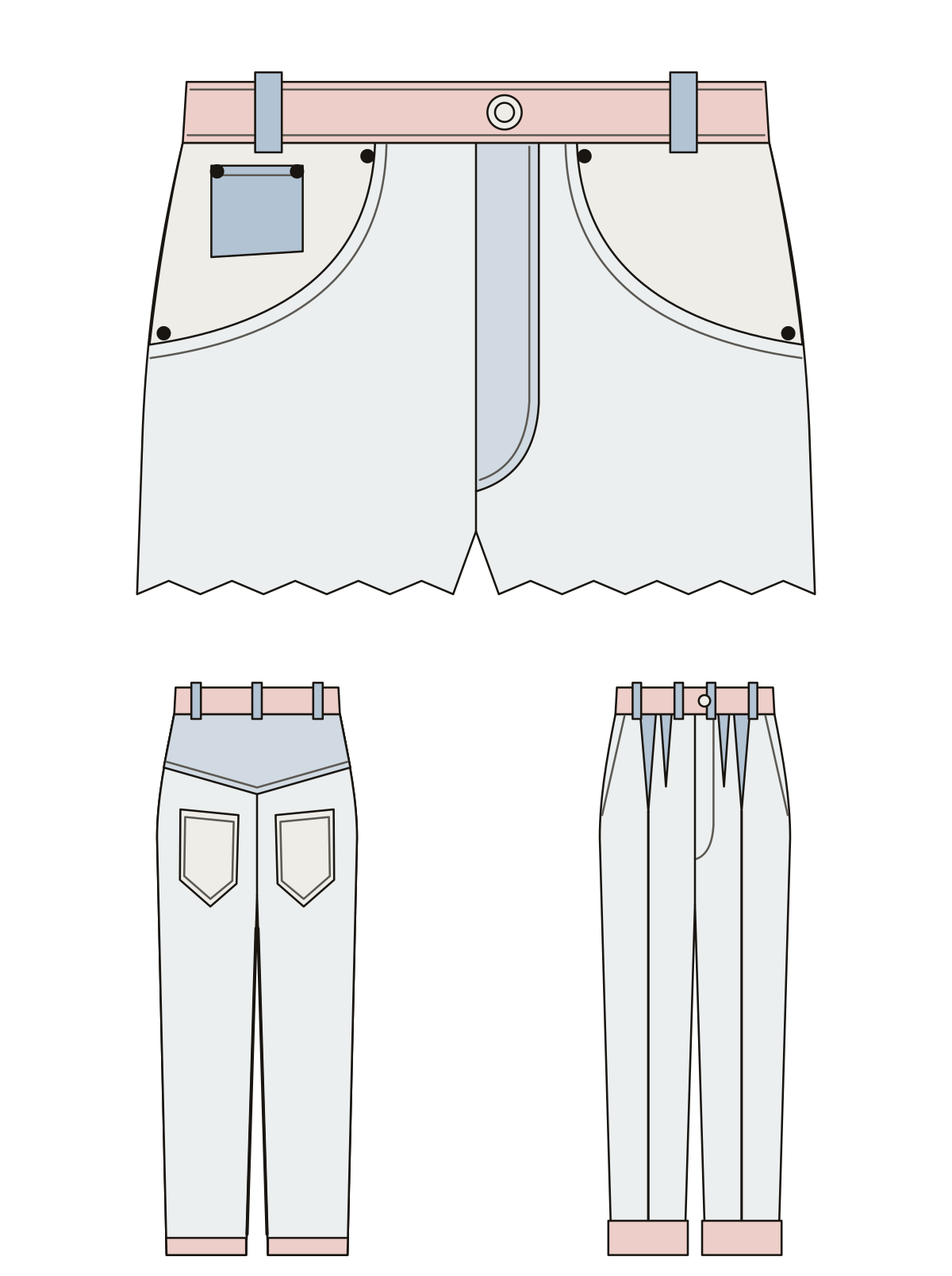 Parts of a Pant: Jeans and Dress PantsJeans and dress pants: waistband, belt loop, button, fly, front pocket, coin pocket, rivets, back pocket, leg, hem, inseam, yoke, pleat, crease, cuff.
- Label Pants DiagramJeans and dress pants as a worksheet: fifteen numbered parts from waistband to cuff, a line for each name, and a key.
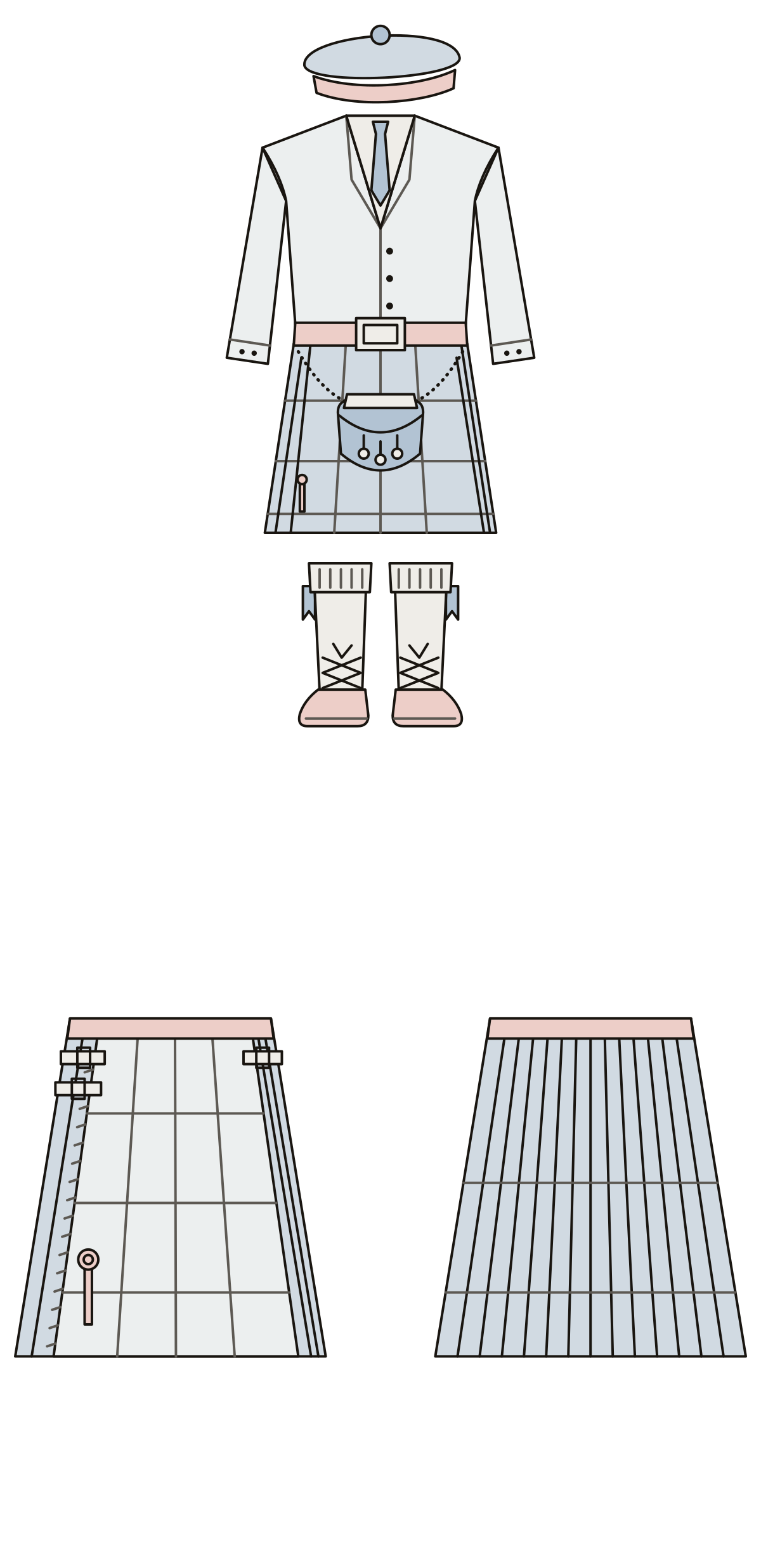 Parts of a Kilt OutfitHighland dress from the front, then the kilt alone: kilt, sporran, jacket, belt, hose, flashes, brogues, bonnet, sporran chain, apron, pleats, kilt pin.
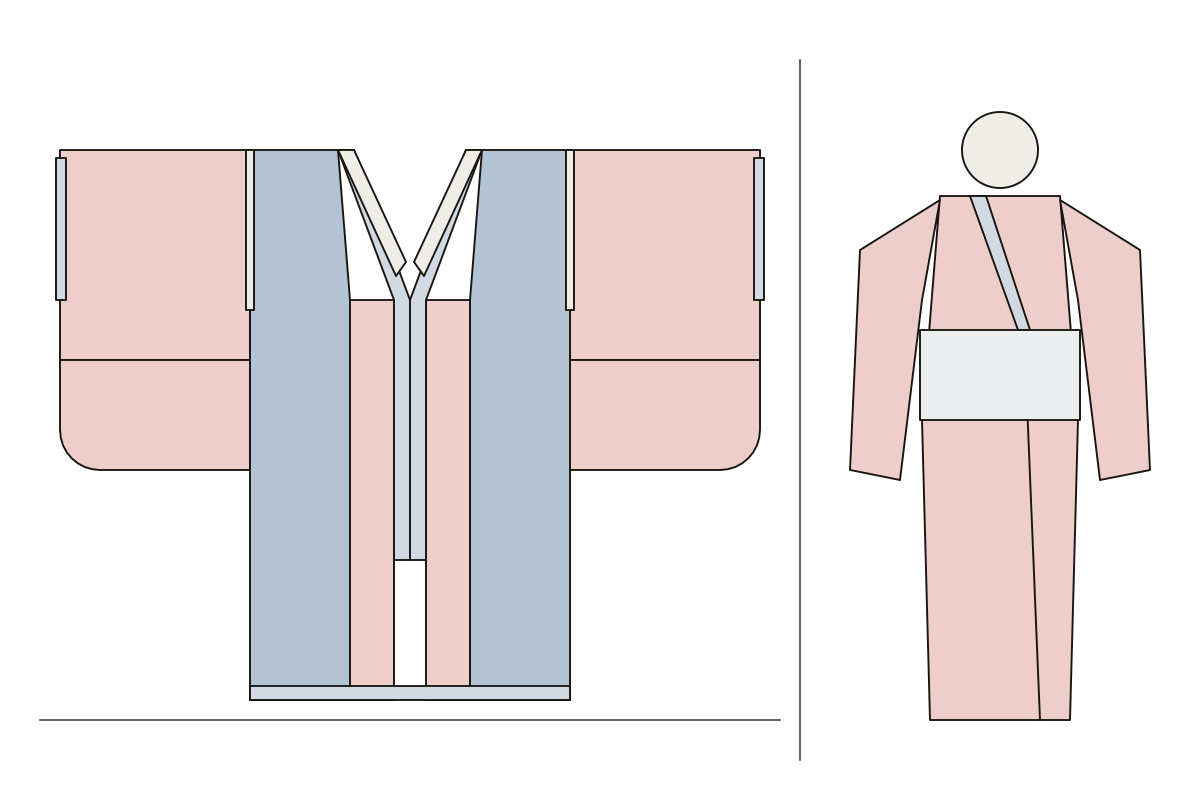 Parts of a KimonoA kimono laid flat and worn: sode, tamoto, sodeguchi, sodetsuke, eri, tomoeri, okumi, maemigoro, fuki and obi. Sode · Fuki · Tomoeri
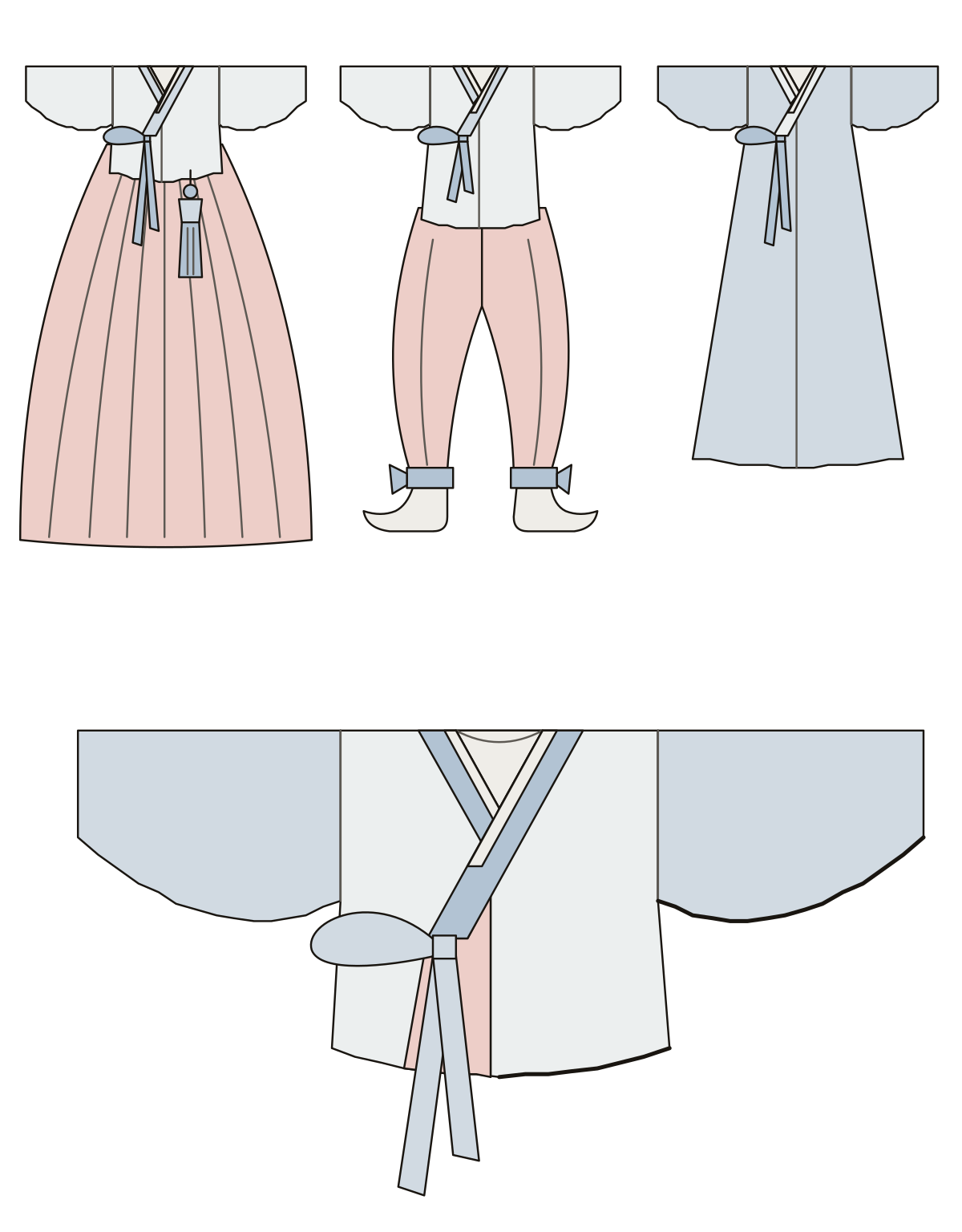 Parts of a HanbokJeogori, chima, baji, durumagi, beoseon, daenim and norigae, then the git, dongjeong, goreum and seop of the jacket.
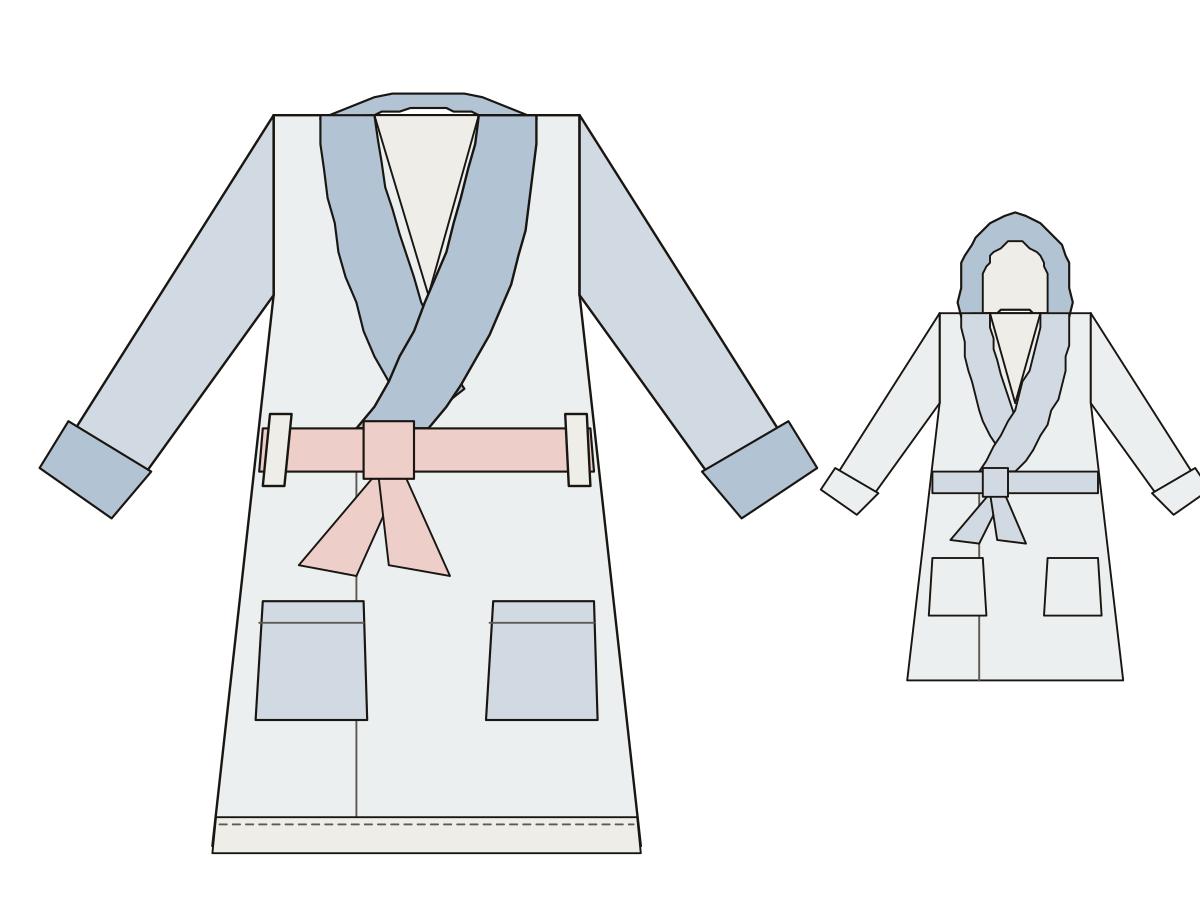 Parts of a RobeShawl collar, belt, belt loops, patch pockets, sleeves and cuffs of a bathrobe, with the hood of the hooded style.
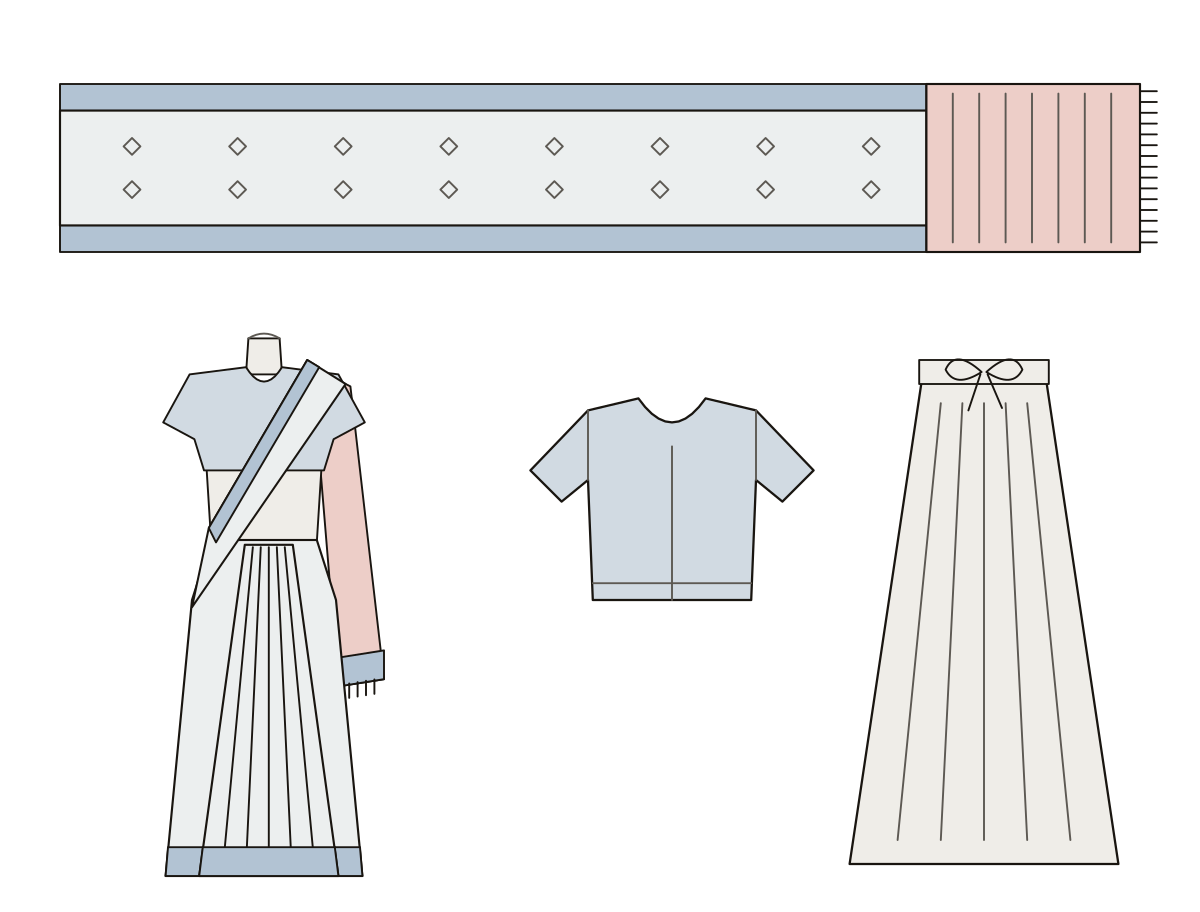 Parts of a SareeField, borders and pallu of a saree laid flat, the pleats of a draped one, and the blouse (choli) and petticoat worn with it.
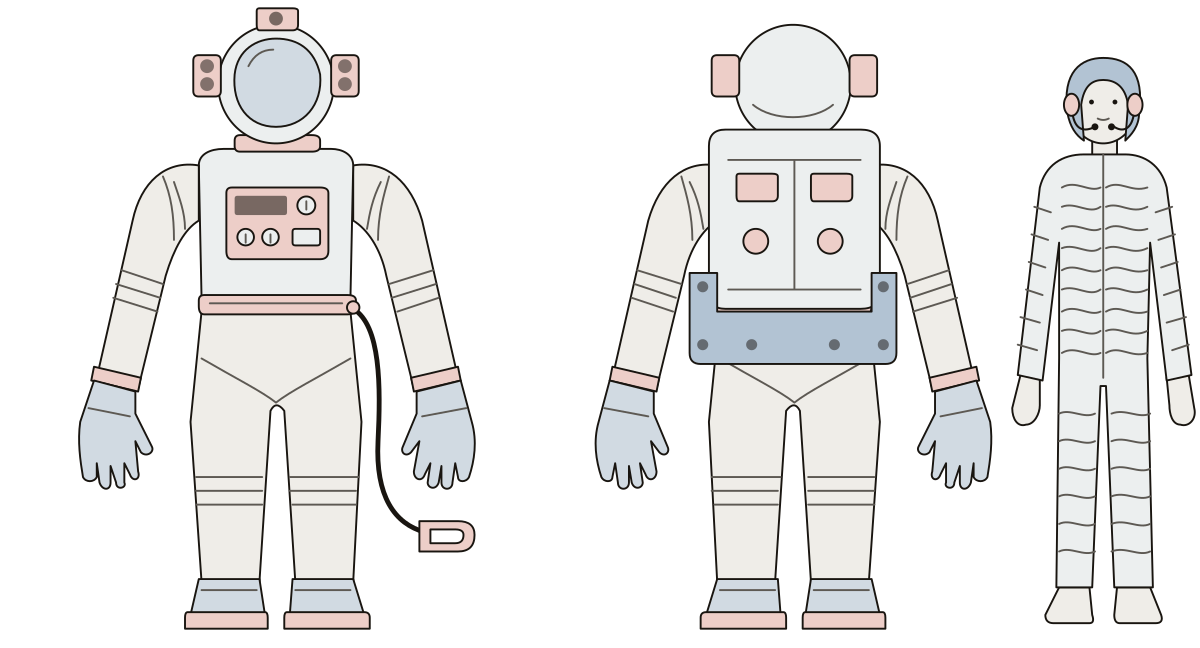 Parts of a Space SuitHelmet, visor, lights, camera, hard upper torso, control module, arms, gloves, lower torso, boots and tether; the backpack and jet pack behind; the cooling garment and cap underneath.
- Space Suit Labeling WorksheetA spacewalk suit from the front and from behind as a worksheet: thirteen numbered parts from helmet to SAFER, a line for each name, and a key.
Hats, caps and helmets 5
Brimmed hats, the baseball cap, the cowboy hat and helmets. The helmet pages teach the names of the parts only and give no advice on fit or safety.
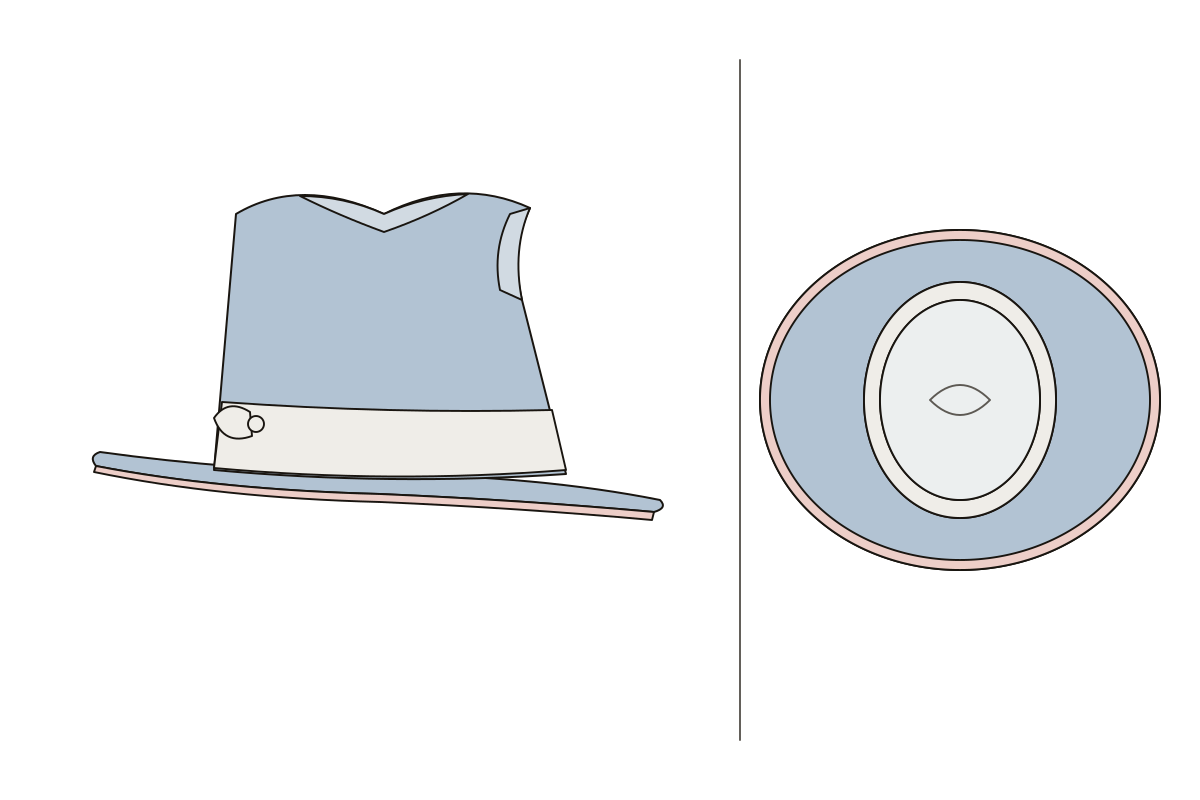 Parts of a HatA felt fedora from the side and upside down: 8 numbered parts, from the crown, crease and pinch to the hatband, brim, binding, sweatband and lining. Crease · Hatband · Binding
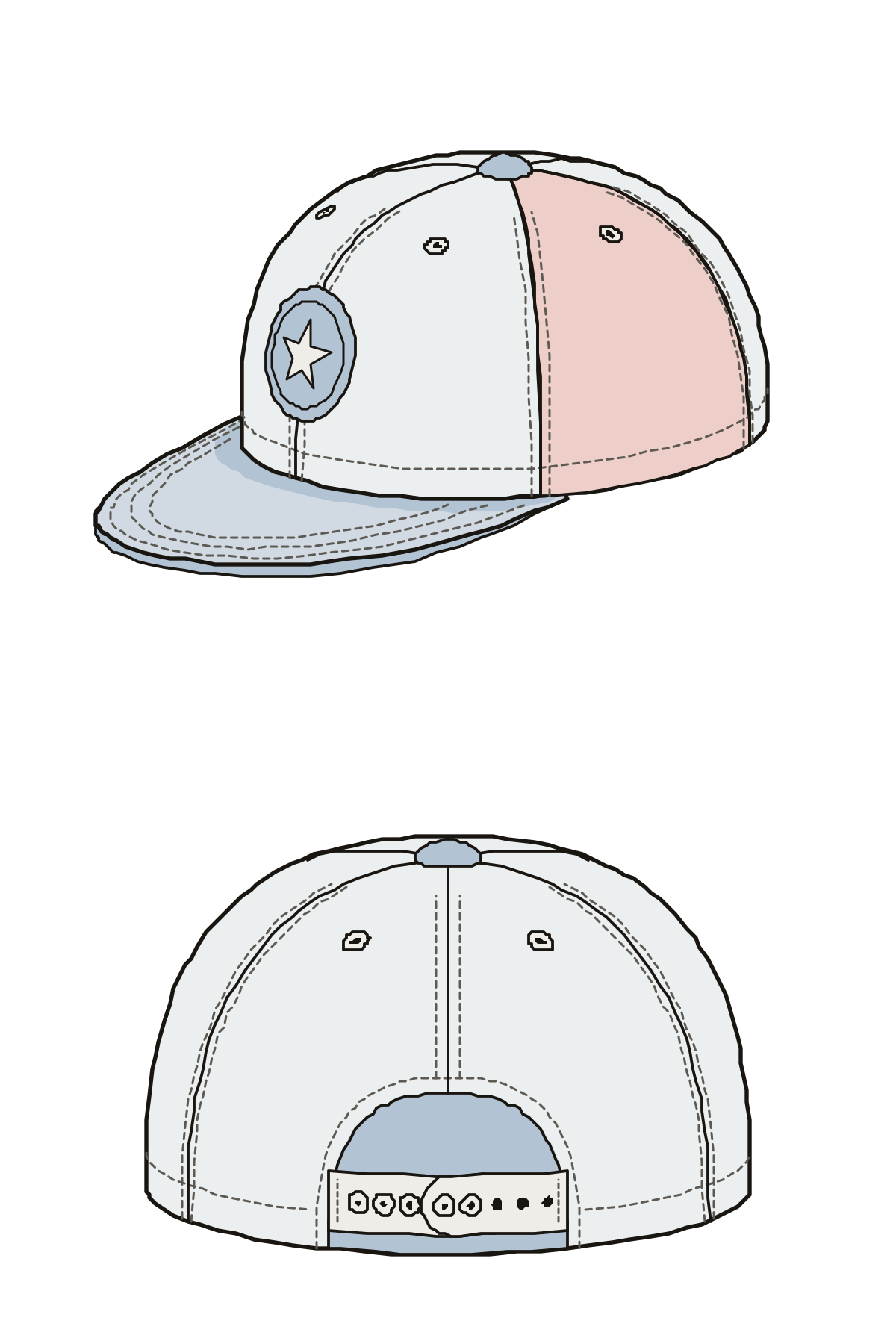 Parts of a Baseball CapA baseball cap from the side and behind: 7 numbered parts, from the crown, panels and button to the eyelets, logo, bill and closure. Panels · Closure · Bill
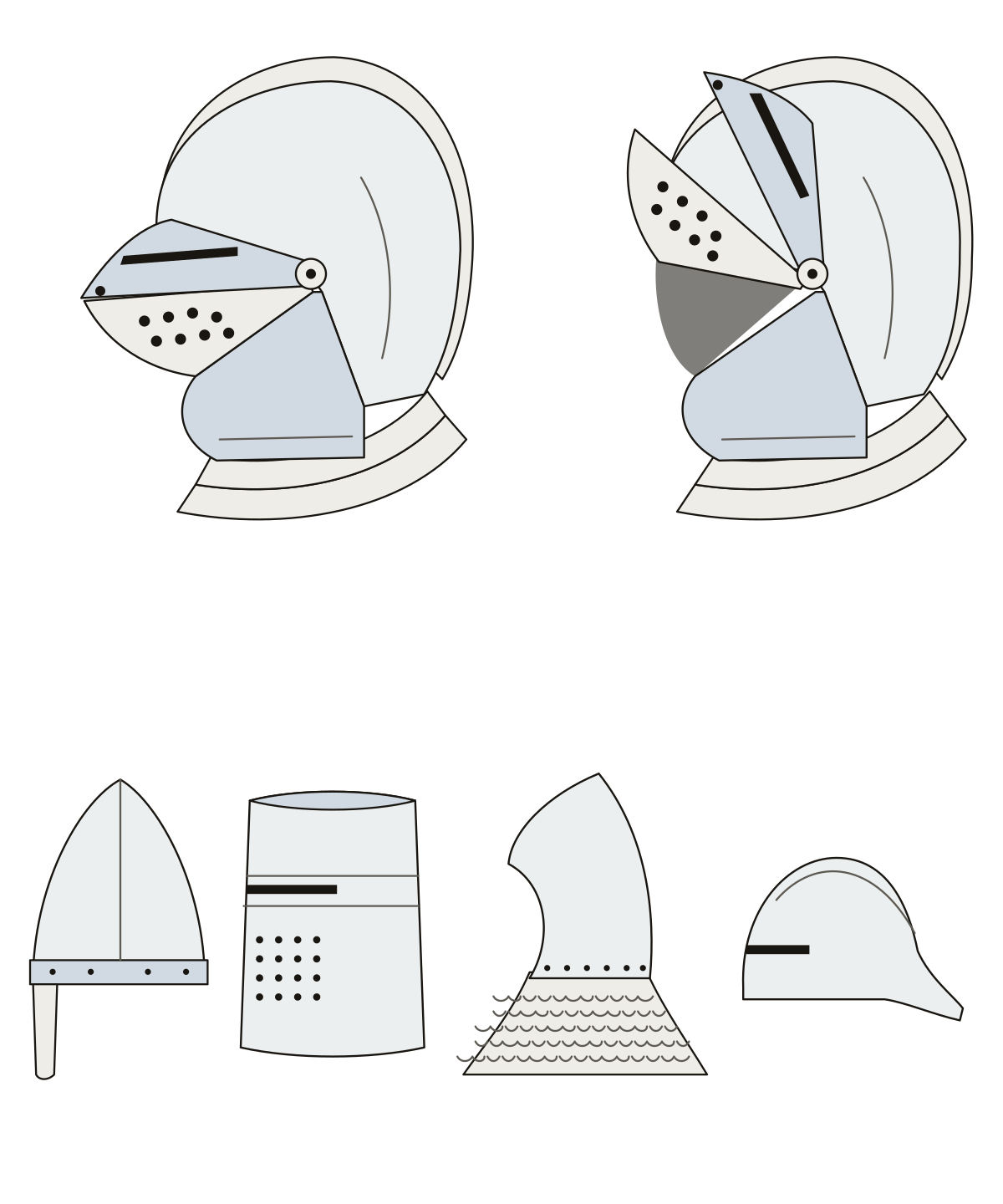 Parts of a Knight's HelmetSkull, comb, visor, eye slits, ventail, breaths, bevor and pivot on a close helmet, then the nasal helmet, great helm, bascinet and sallet.
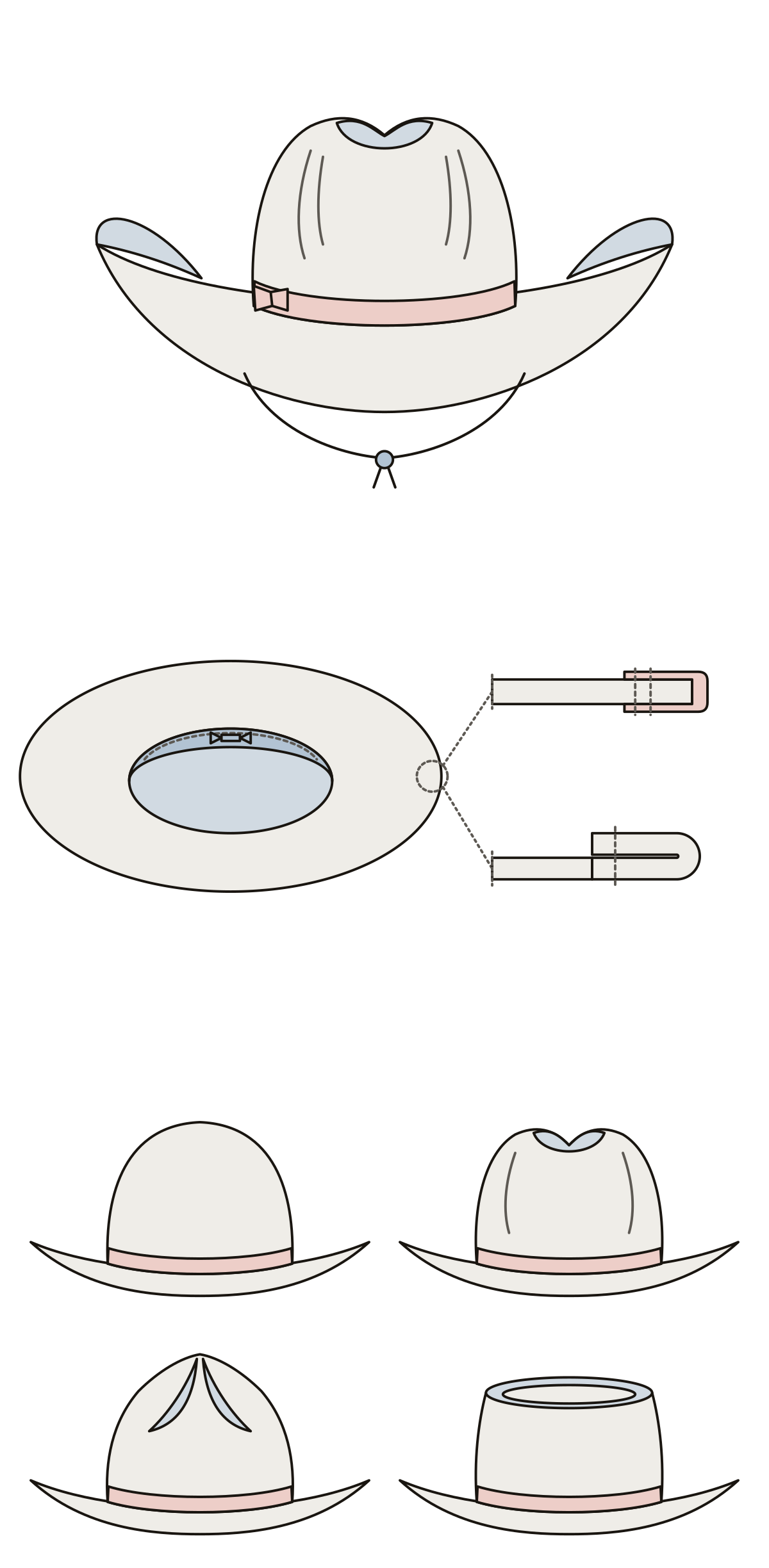 Parts of a Cowboy HatA cowboy hat from the front and turned over: crown, crease, brim, hatband, sweatband, stampede string, two brim edges, and four crown creases to name.
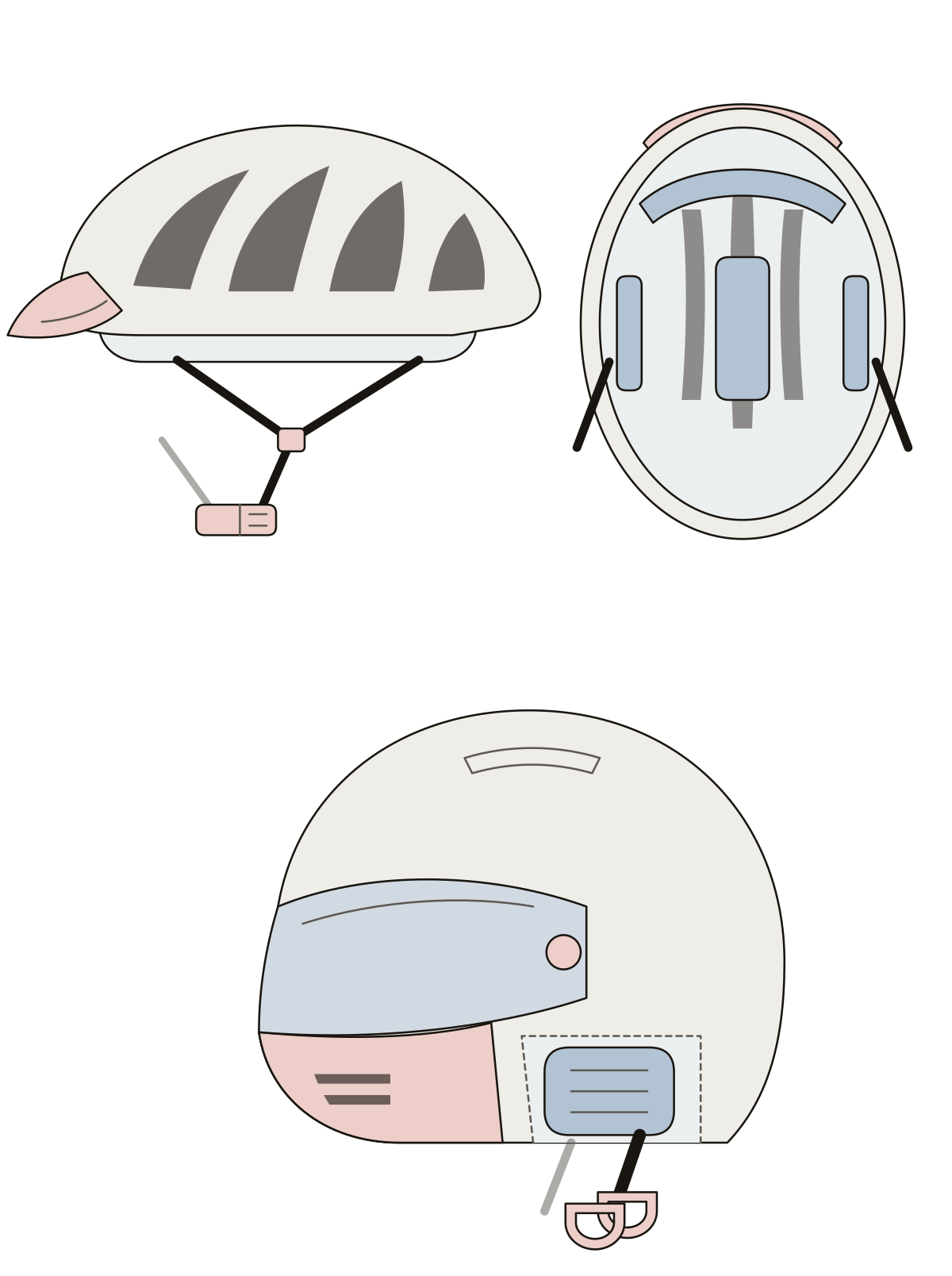 Parts of a HelmetA bicycle helmet and a motorcycle helmet: shell, foam liner, vents, visor, straps, buckle, pads, face shield, chin bar, cheek pads, chin strap and D-rings.
Jewelry and gems 5
A ring, a necklace, a bracelet, an earring and a cut diamond, with the words a jeweler uses when a piece comes in for repair.
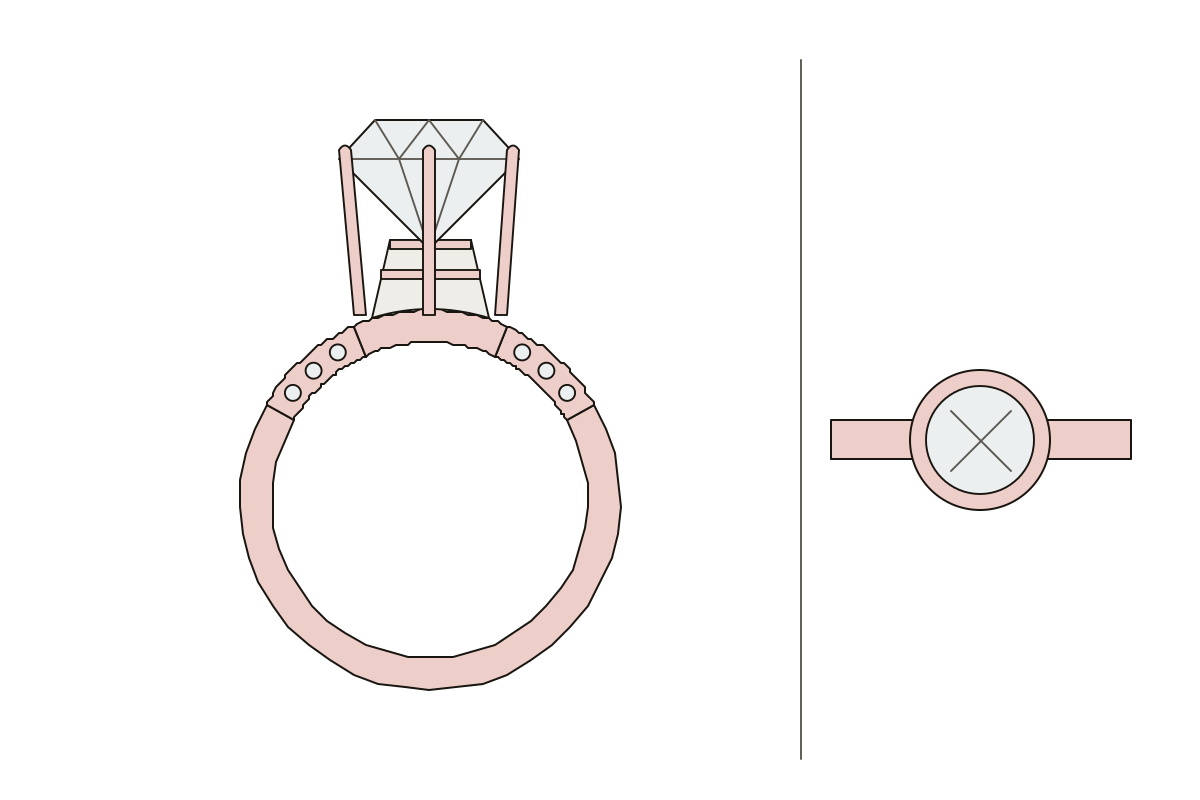 Parts of a RingAn engagement ring side on and a bezel ring from the front: 9 numbered parts, from the shank, shoulders and bridge to the head, prongs, gallery and stones. Gallery · Center stone · Side stone
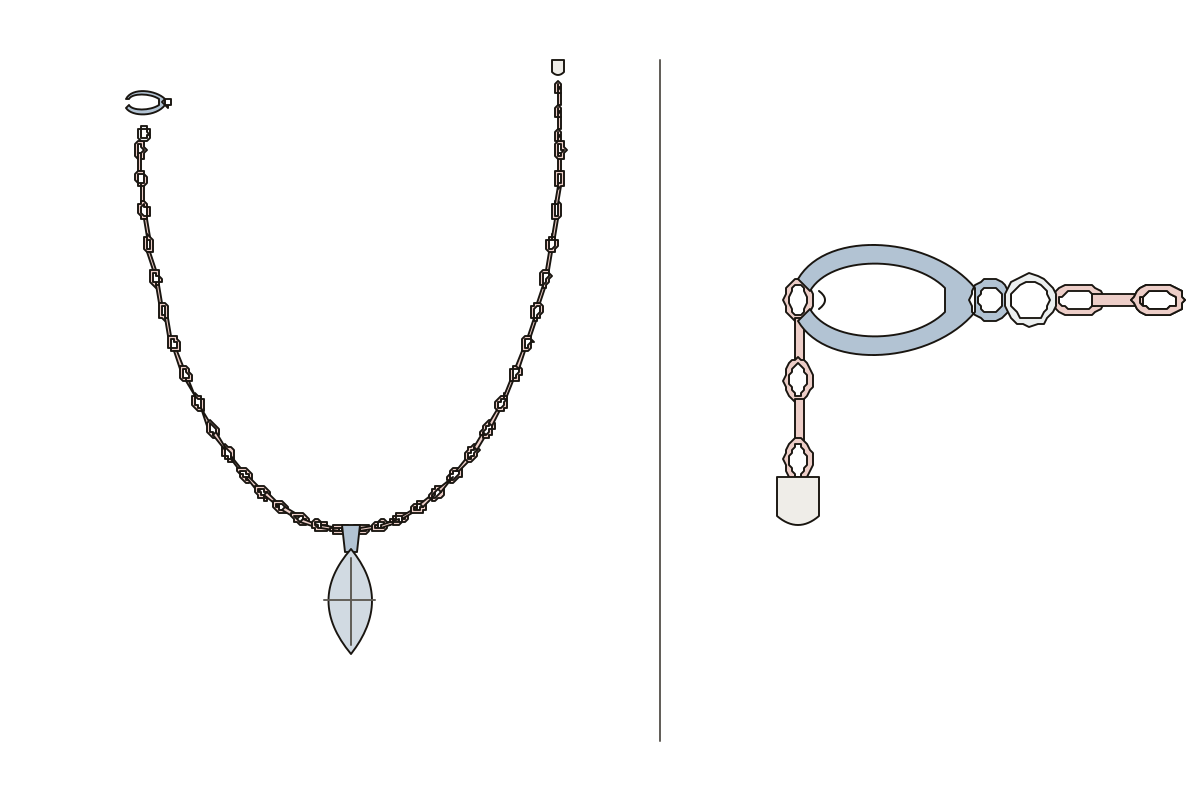 Parts of a NecklaceA pendant necklace and its fastening close up: 8 numbered parts, from the chain, pendant and bail to the lobster clasp, jump ring, extender and tag. Pendant · Bail · Clasp
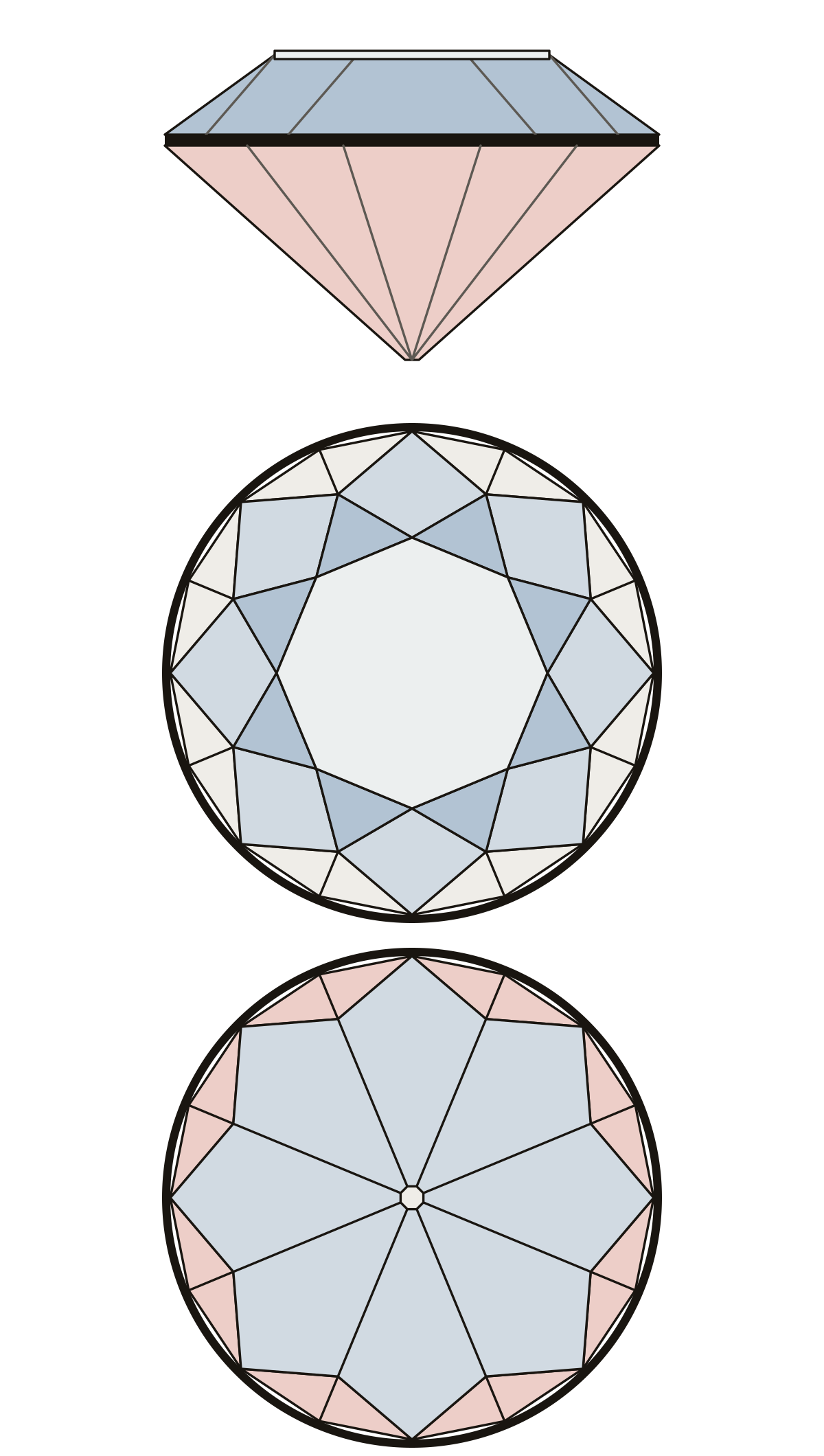 Parts of a DiamondA round brilliant diamond: 10 numbered parts, from the table, crown, girdle, pavilion and culet to the star, kite and girdle facets. Pavilion · Crown · Lower girdle facets
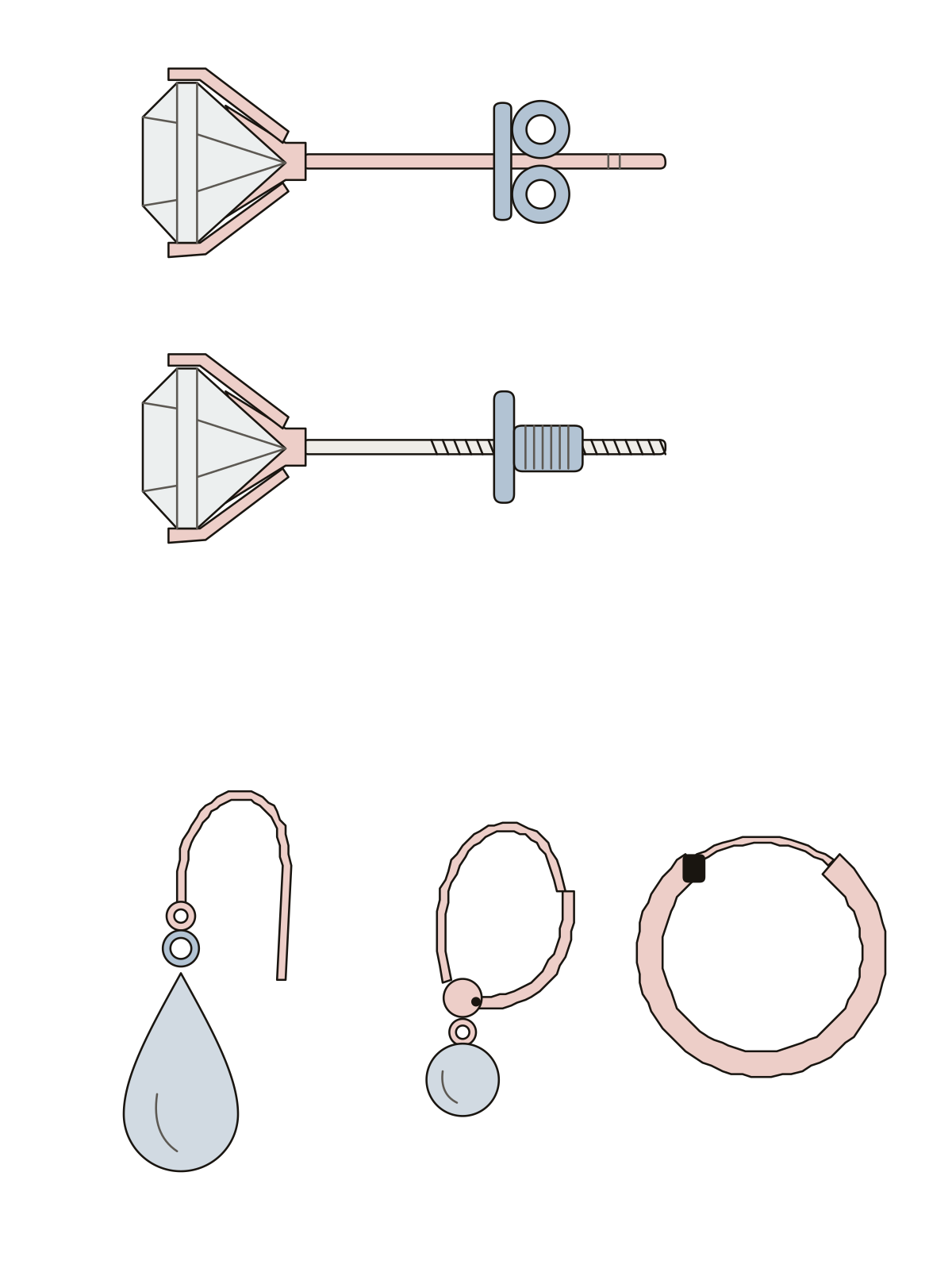 Parts of a Stud EarringTwo stud earrings from the side and three that hang: stone, setting, post, earring back, threaded post, screw back, ear wire, jump ring, drop, lever back, hoop and hinge.
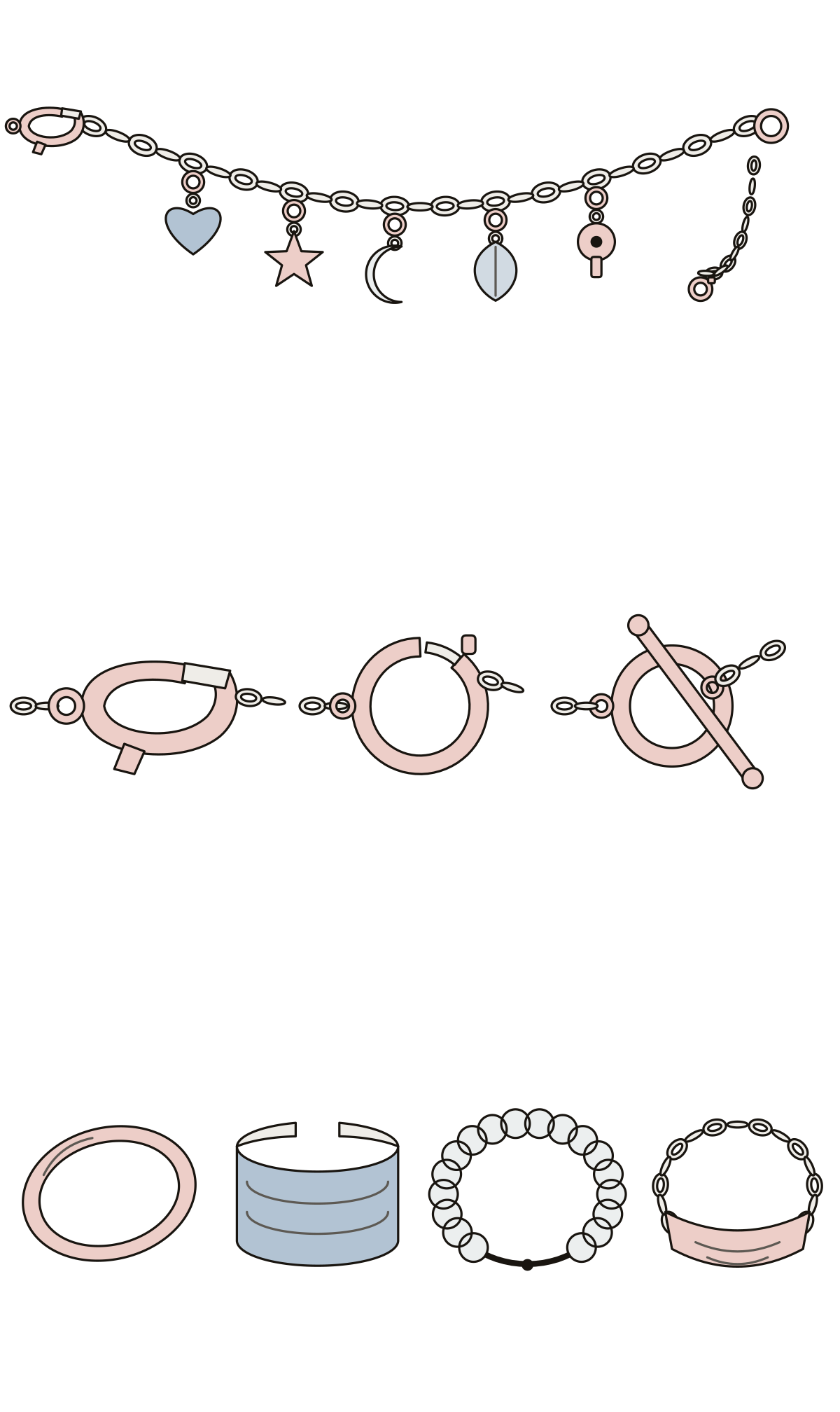 Parts of a BraceletA charm bracelet, three clasps and four other bracelets: chain, charm, jump ring, safety chain, lobster clasp, spring ring, toggle clasp, bangle, cuff, beads, elastic cord and plate.
Belts, bags and small accessories 9
Small things with more named parts than most people expect, such as a belt and its buckle, a handbag, a hiking backpack and an umbrella.
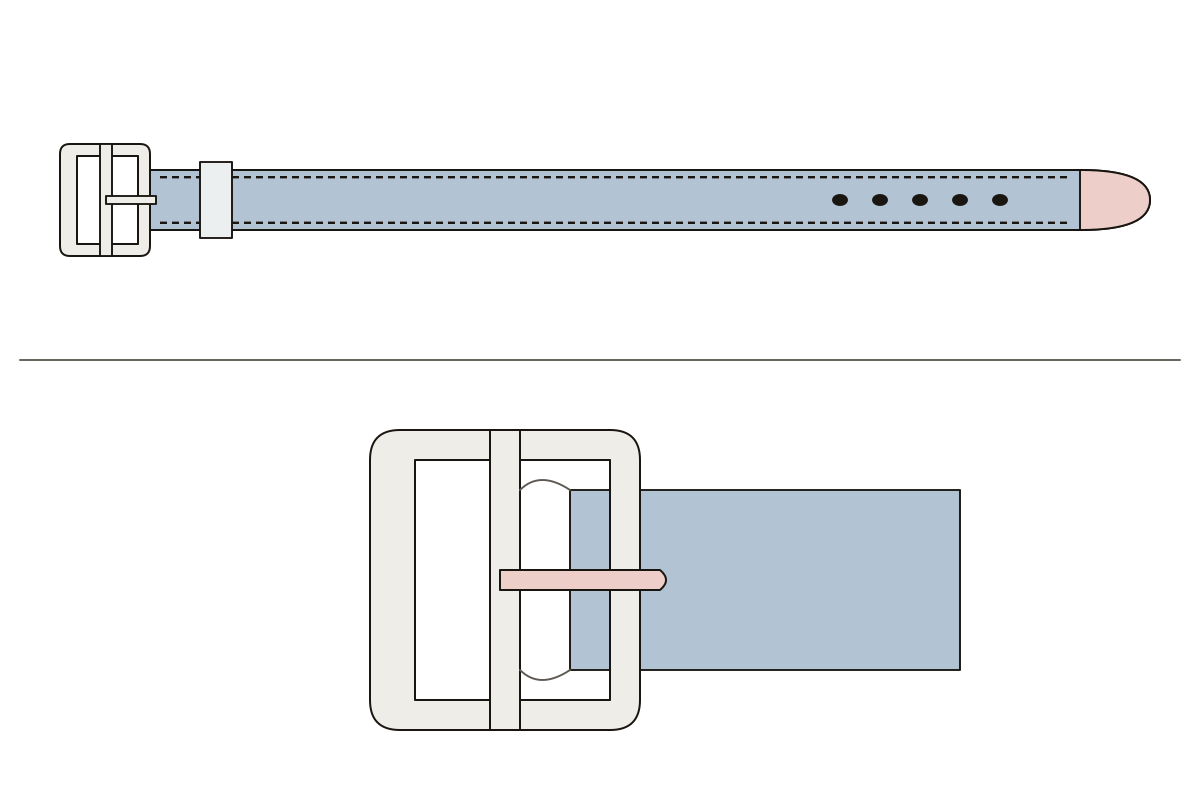 Parts of a BeltA leather belt laid flat and its buckle close up: 9 numbered parts, from the strap, keeper, holes and tip to the buckle's frame, bar and prong. Strap · Stitching · Holes
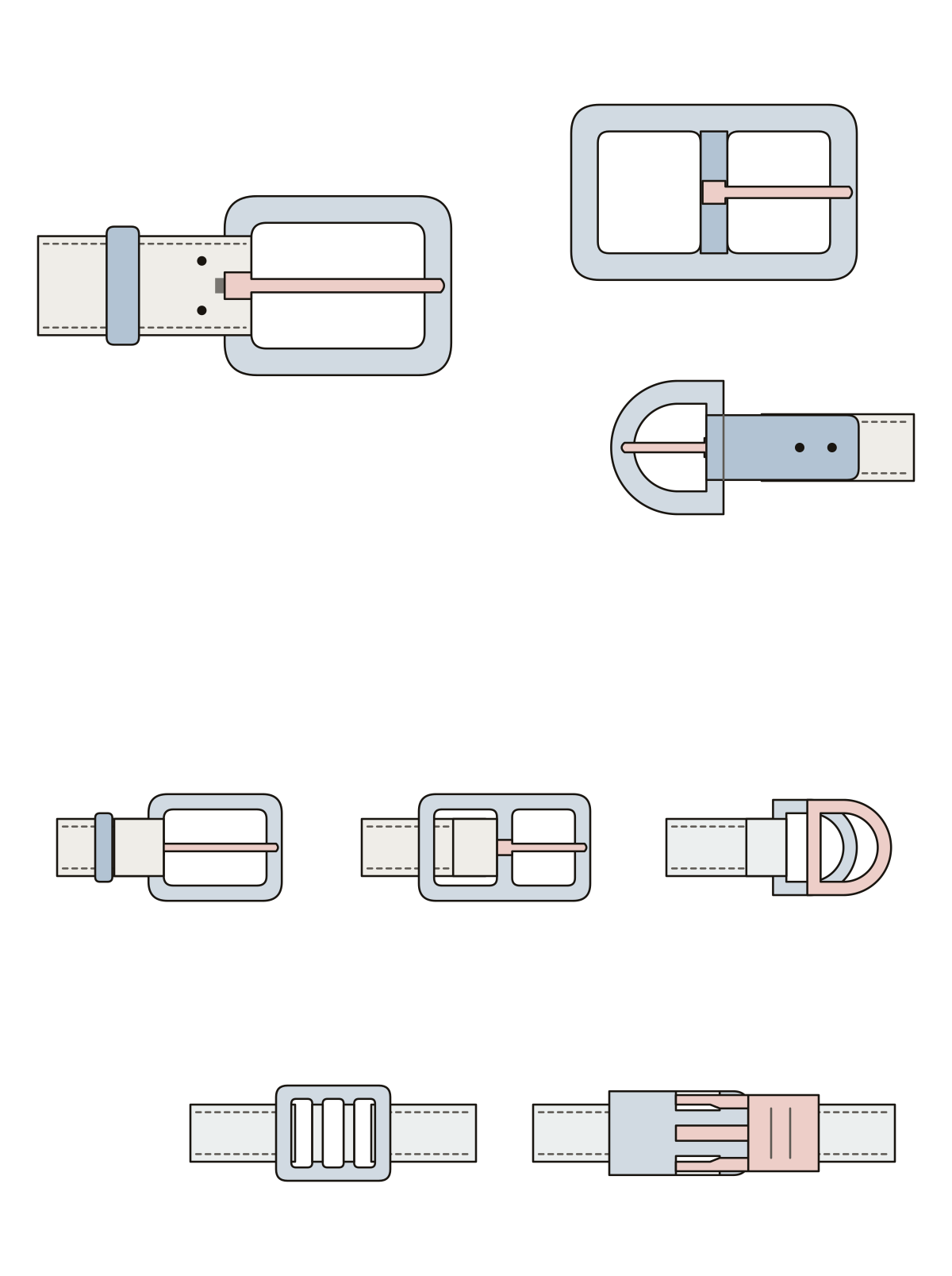 Parts of a Belt BuckleThree belt buckles showing the frame, prong, keeper, center bar and chape, then five kinds: heel-bar, center-bar, D-rings, slide and side-release.
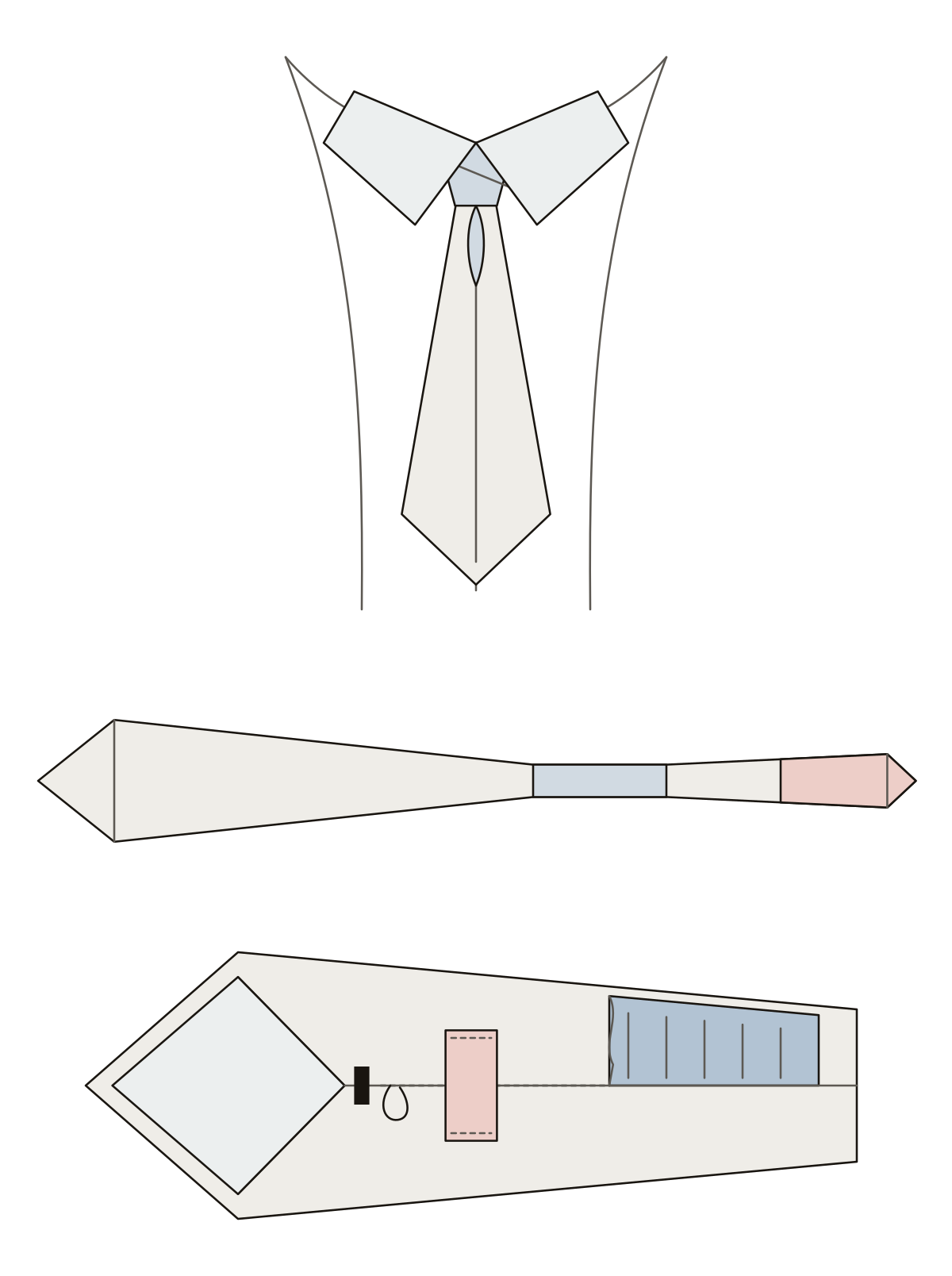 Parts of a TieA necktie tied and untied: knot, dimple, wide end, narrow end, neckband, tipping, bar tack, loop label, slip stitch, shell and interlining.
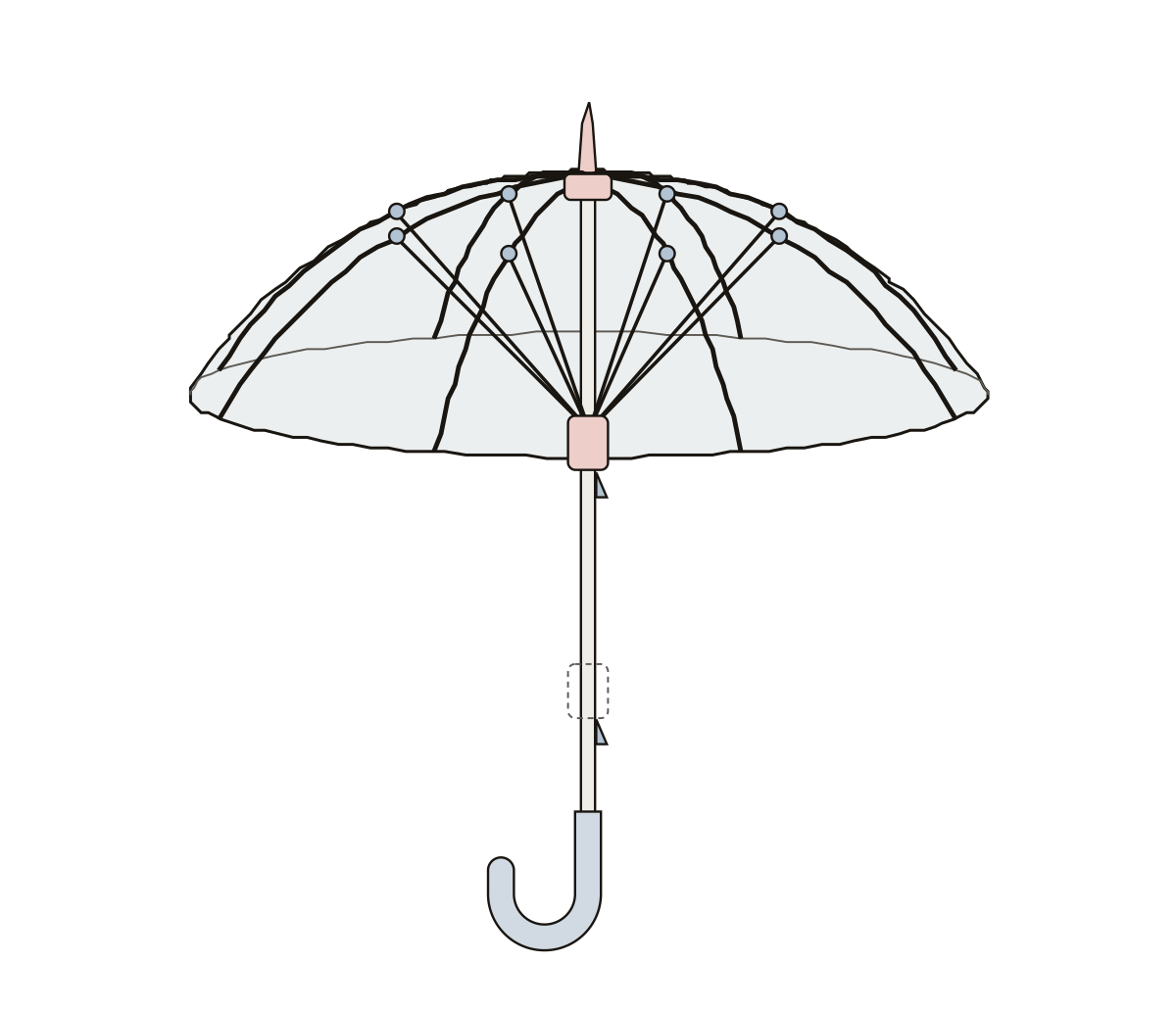 Parts of an UmbrellaAn open stick umbrella seen from below: 11 parts to label, from the canopy, ribs and stretchers to the runner, top notch and the two springs. Runner · Top spring · Ribs
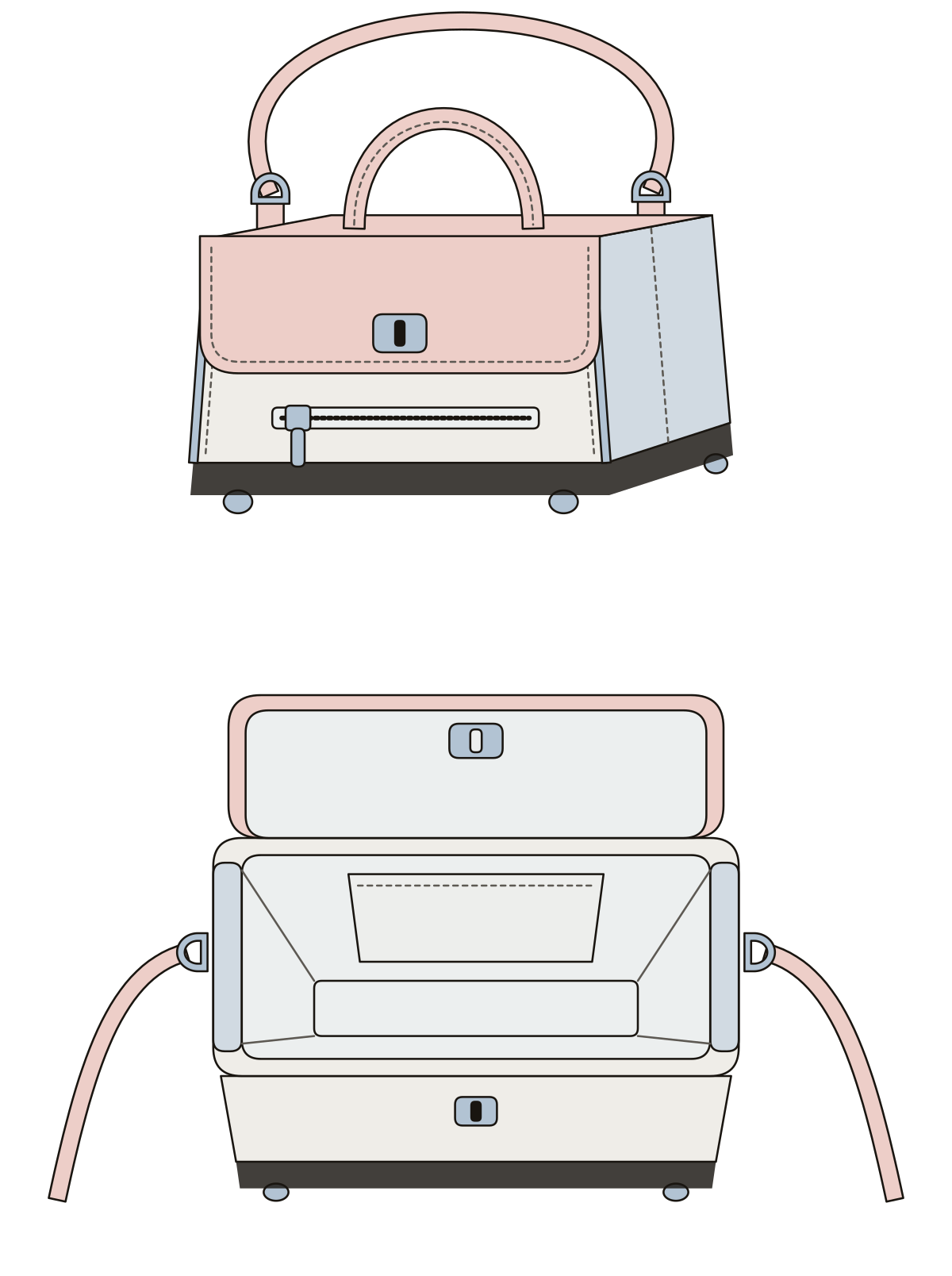 Parts of a BagA flap-front handbag closed and open: handle, shoulder strap, D-ring, flap, twist lock, zipper, gusset, base, feet, piping, lining and inside pocket.
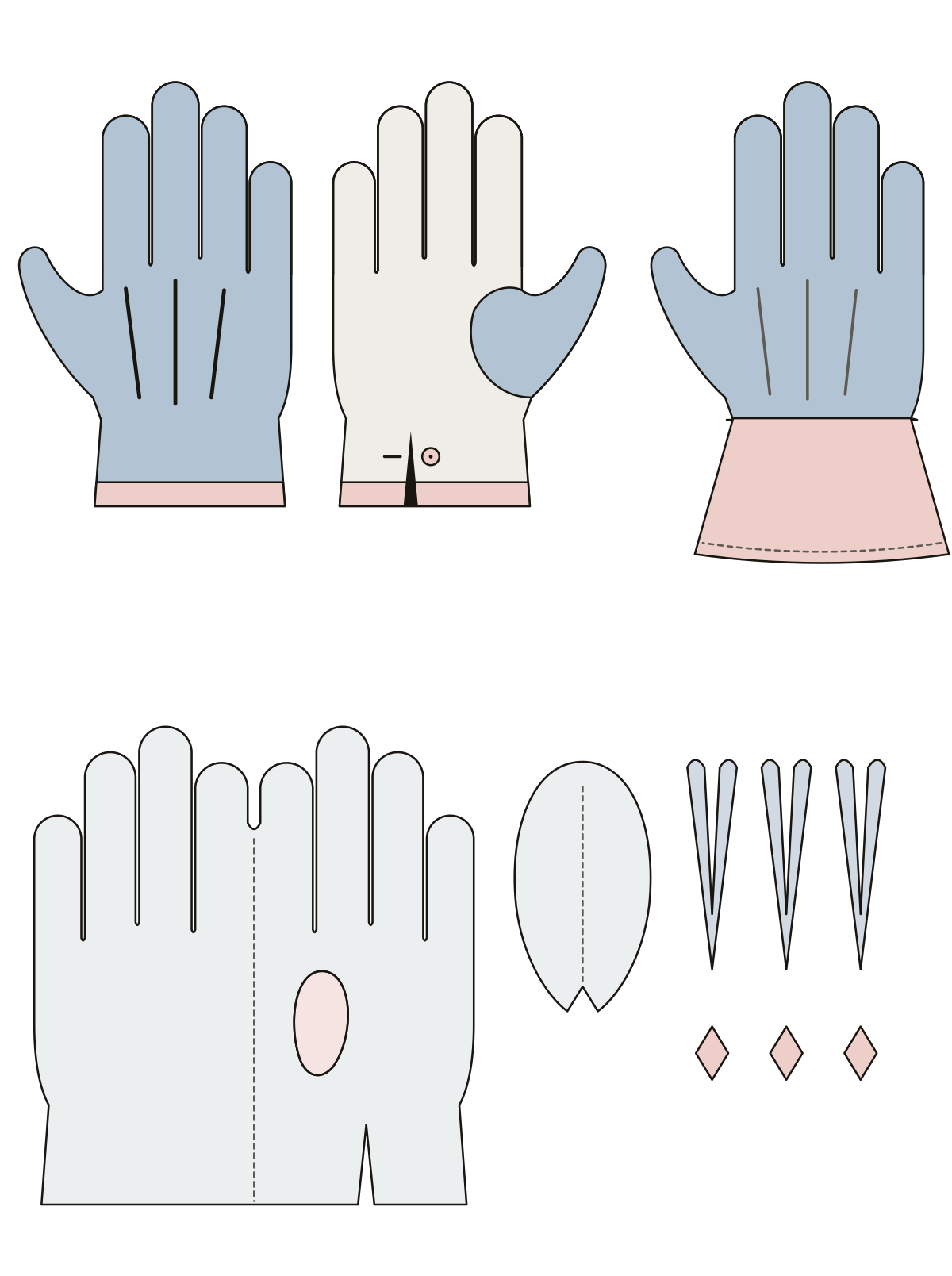 Parts of a GloveA leather dress glove, a gauntlet glove and the cut pieces: fingers, thumb, palm, back, points, binding, slit, button, cuff, trank, thumb hole, fourchette and quirk.
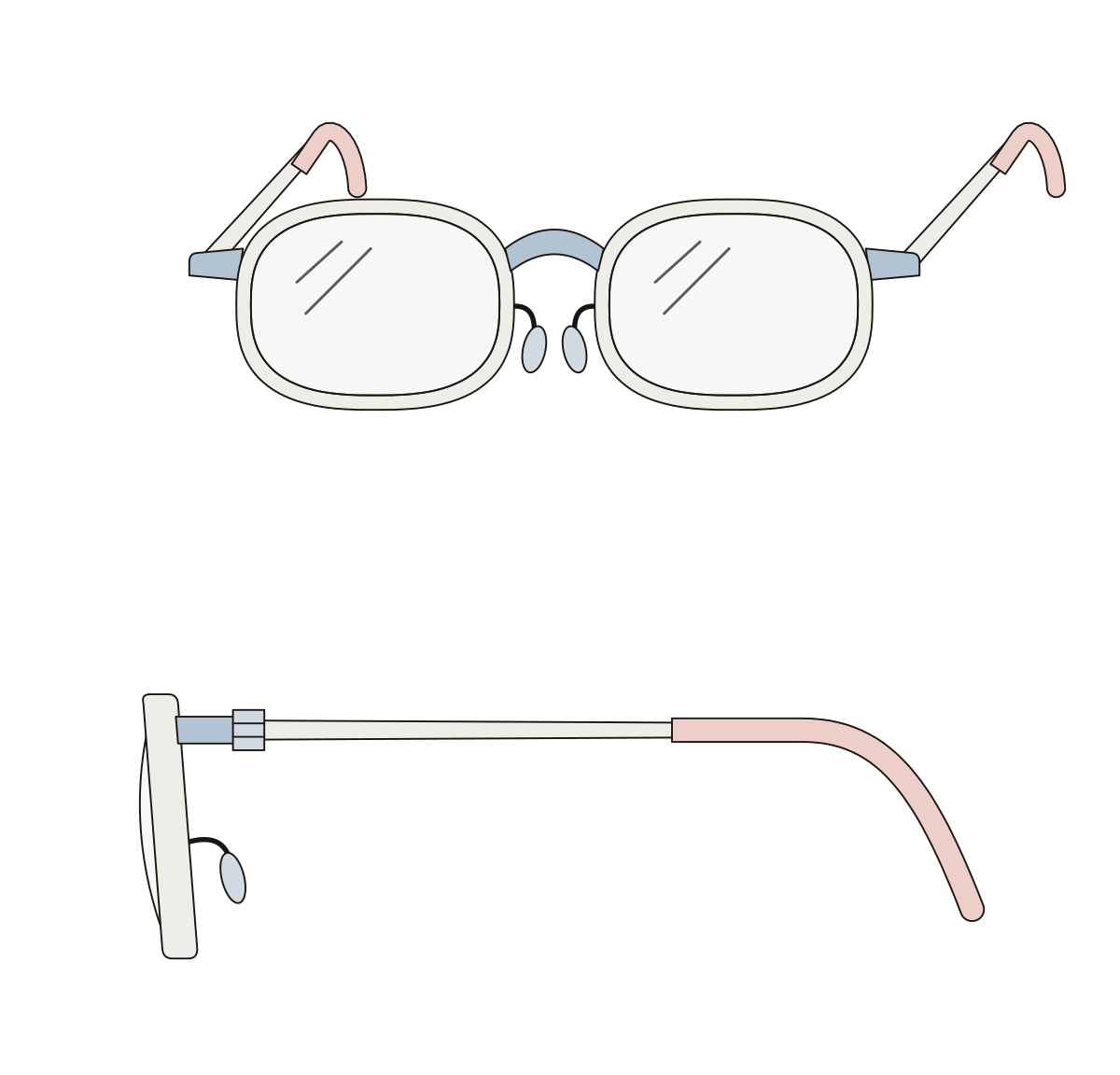 Parts of GlassesLenses, rims, bridge, nose pads, guard arms and end pieces from the front; the frame front, hinge, temple and temple tip from the side.
- Glasses Part LabelingA pair of glasses as a worksheet: ten numbered parts from lens to temple tip, a line for each name, and a key.
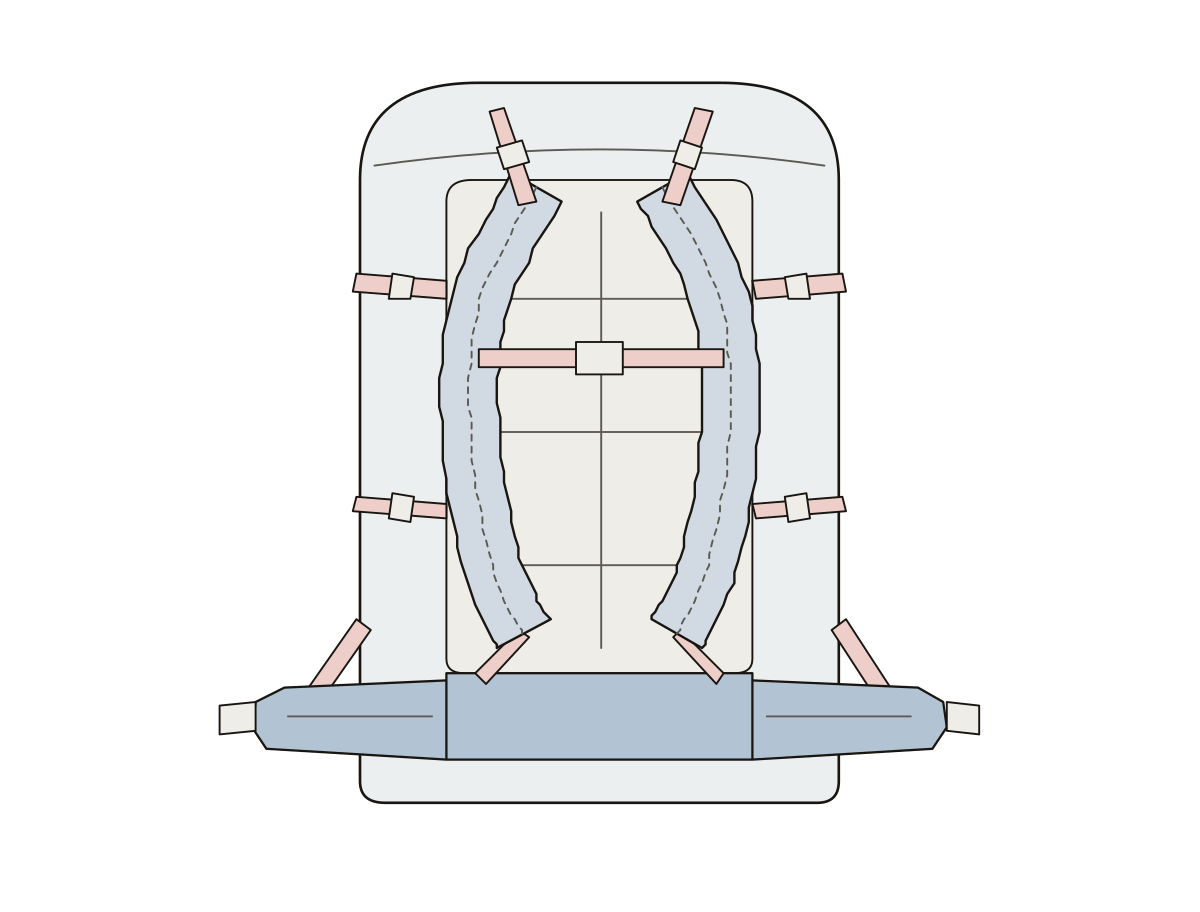 Parts of a BackpackShoulder straps, hip belt, sternum strap, load lifter straps, stabilizer straps, compression straps and the main compartment.
More about these tools
The strip the eyelets sit in is the eyestay. The narrow stitched strip where a dress shoe meets its sole is the welt. Each page is one drawing of something worn, such as a shoe, a jacket, a hat or a necklace, with a numbered ring on every part worth naming.
Sewing and fashion students use the pages as worksheets. English learners use them for clothing vocabulary. A customer writing to a cobbler, a tailor or a jeweler can ask for the right part. The five sets are footwear, garments, headwear, jewelry and small accessories. Open Study to read each name with a line on what the part does, switch to Find it or Name it for a quiz, and print any page blank or labeled.
Keep exploring
- Animal body-part diagrams (94)
- Blank US maps (61)
- Blank maps (159)
- Bone labeling quizzes (49)
- Capitals quizzes (11)
- Car and engine part diagrams (54)
- Cell and organelle diagrams (63)
- Computer, phone and camera diagrams (43)
- Anatomy concept maps (1)
- Country map quizzes (28)
- Animal anatomy diagrams (100)
- DNA, cell division and cell processes (53)
- Science Quizzes
- All quizzes