Medical Device Diagrams: Parts of Instruments and Mobility Aids
One numbered drawing per device, with the part names a skills class, a user manual or a parts list expects you to know.
A nursing student has a skills check coming and cannot tell the bell of a stethoscope from its diaphragm. A new wheelchair user hears a supplier say caster and handrim.
27 pages
Clinical instruments 9
The stethoscope, the blood pressure cuff, and the needle and syringe of a first skills class, then an MRI machine, a dialysis machine, a feeding tube and a dental matrix retainer.
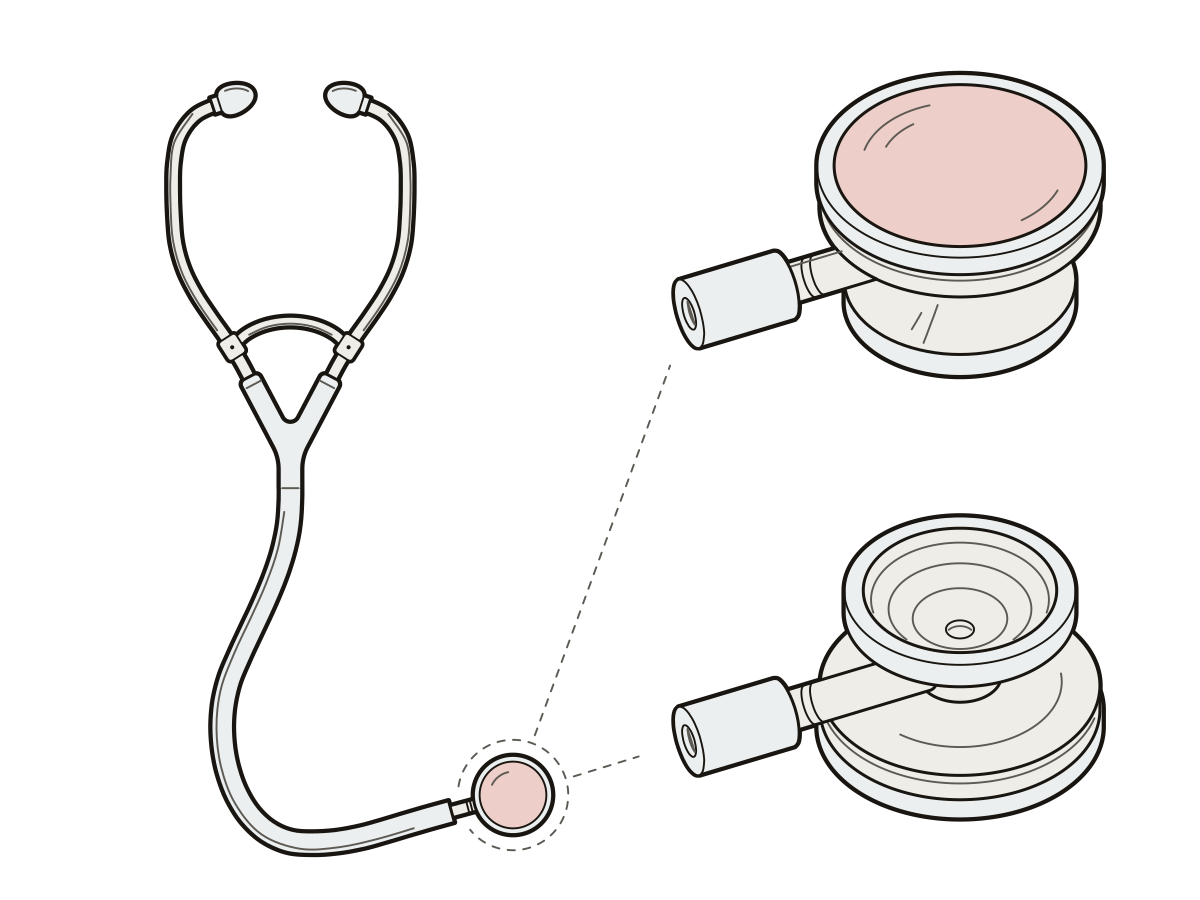 Parts of a StethoscopeAn acoustic stethoscope with 10 parts to find or name, from the ear tips down to the bell, plus blank and labeled versions to print. Ear tips · Chestpiece · Tubing
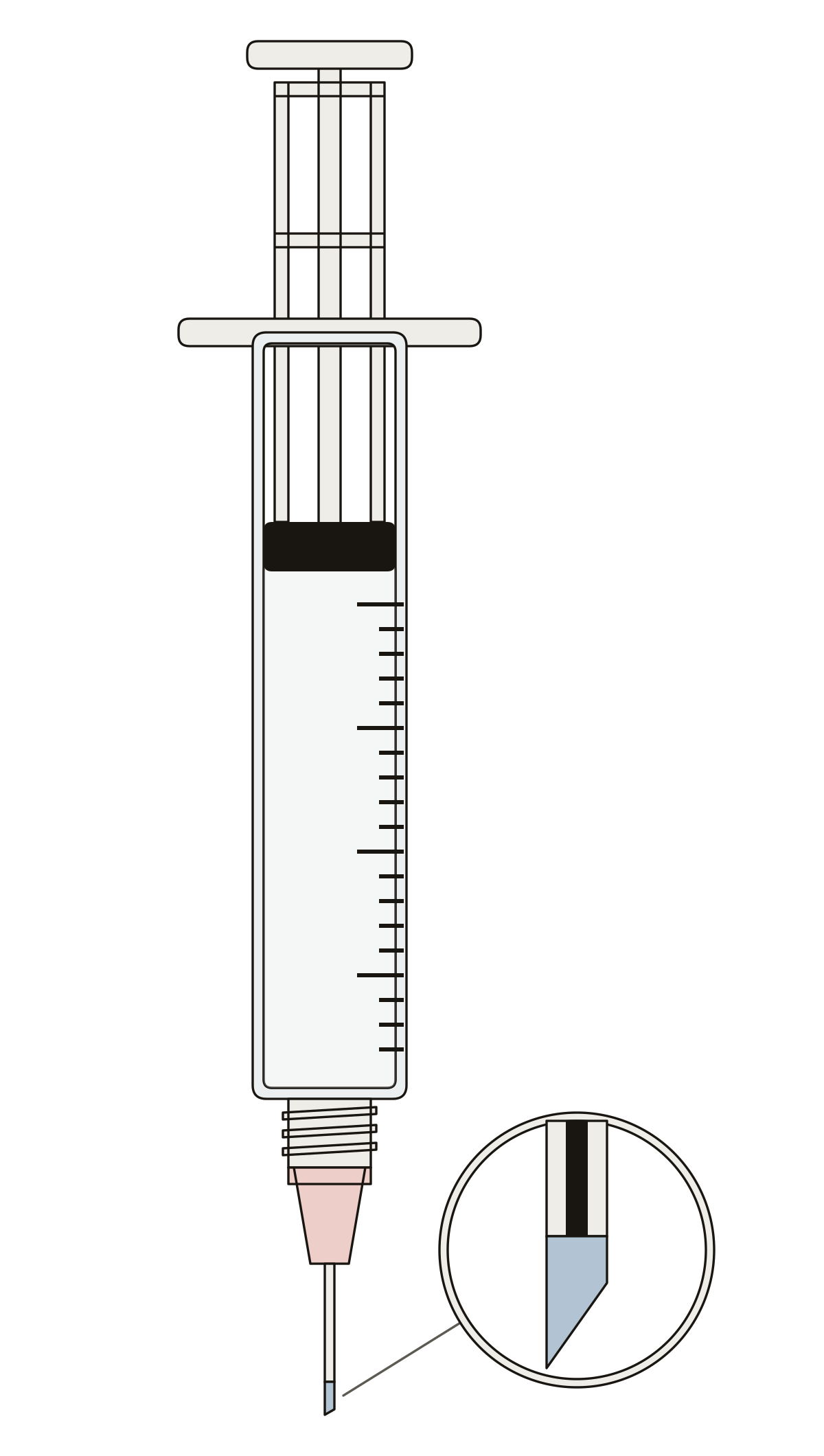 Parts of a SyringeA disposable syringe with its needle: 8 numbered parts, from the plunger, stopper, barrel and graduations to the Luer lock tip, hub, shaft and bevel. Needle shaft · Stopper · Luer lock tip
- Label the Parts of a SyringeA disposable syringe with its needle as a worksheet: eight numbered parts from plunger to bevel, a line for each name, and a key. Needle hub · Needle shaft · Plunger
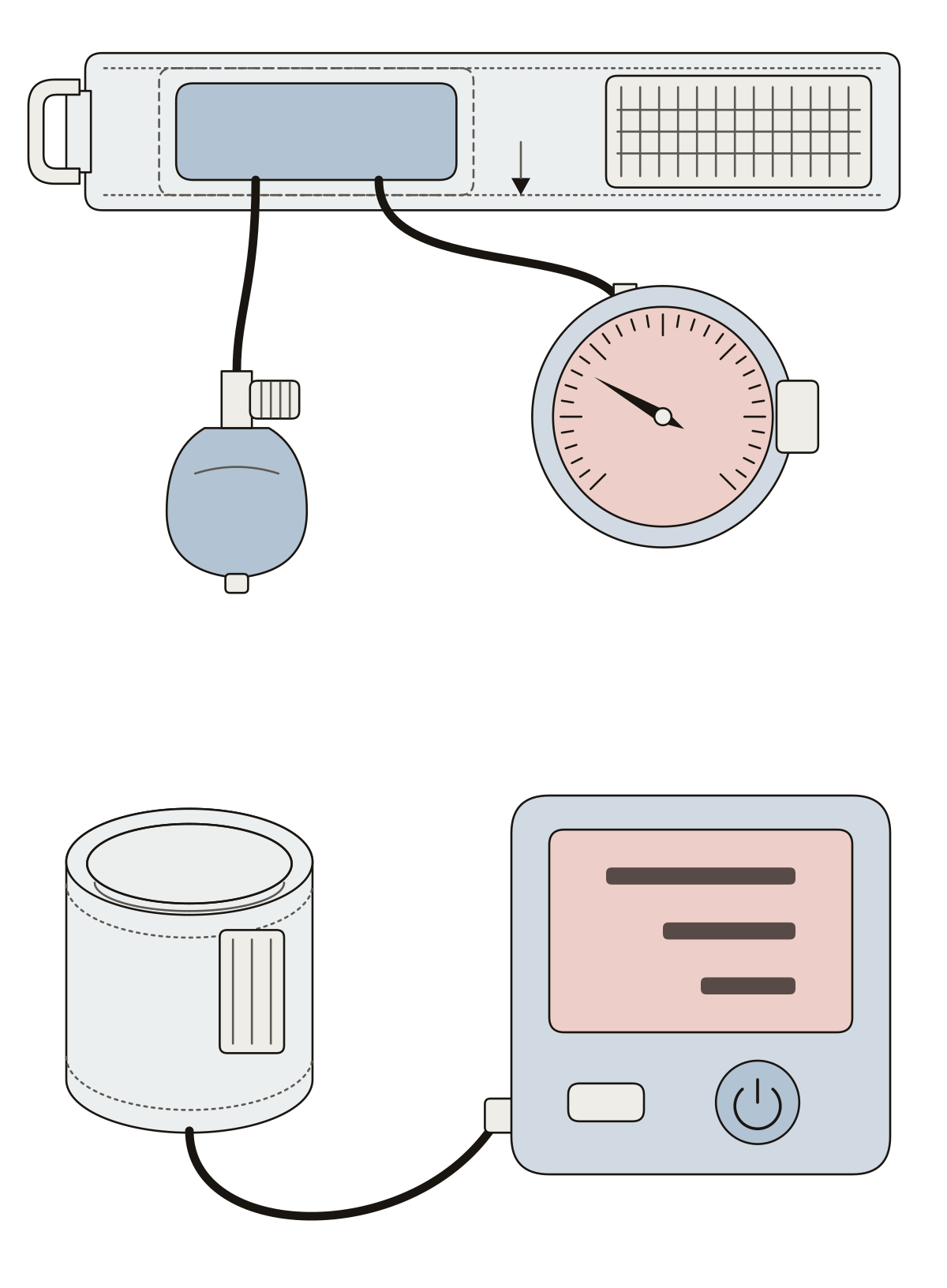 Parts of a BP CuffCuff, bladder, D-ring, hook-and-loop closure, tubing, inflation bulb, air release valve, gauge, dial, pointer; monitor, display, start button.
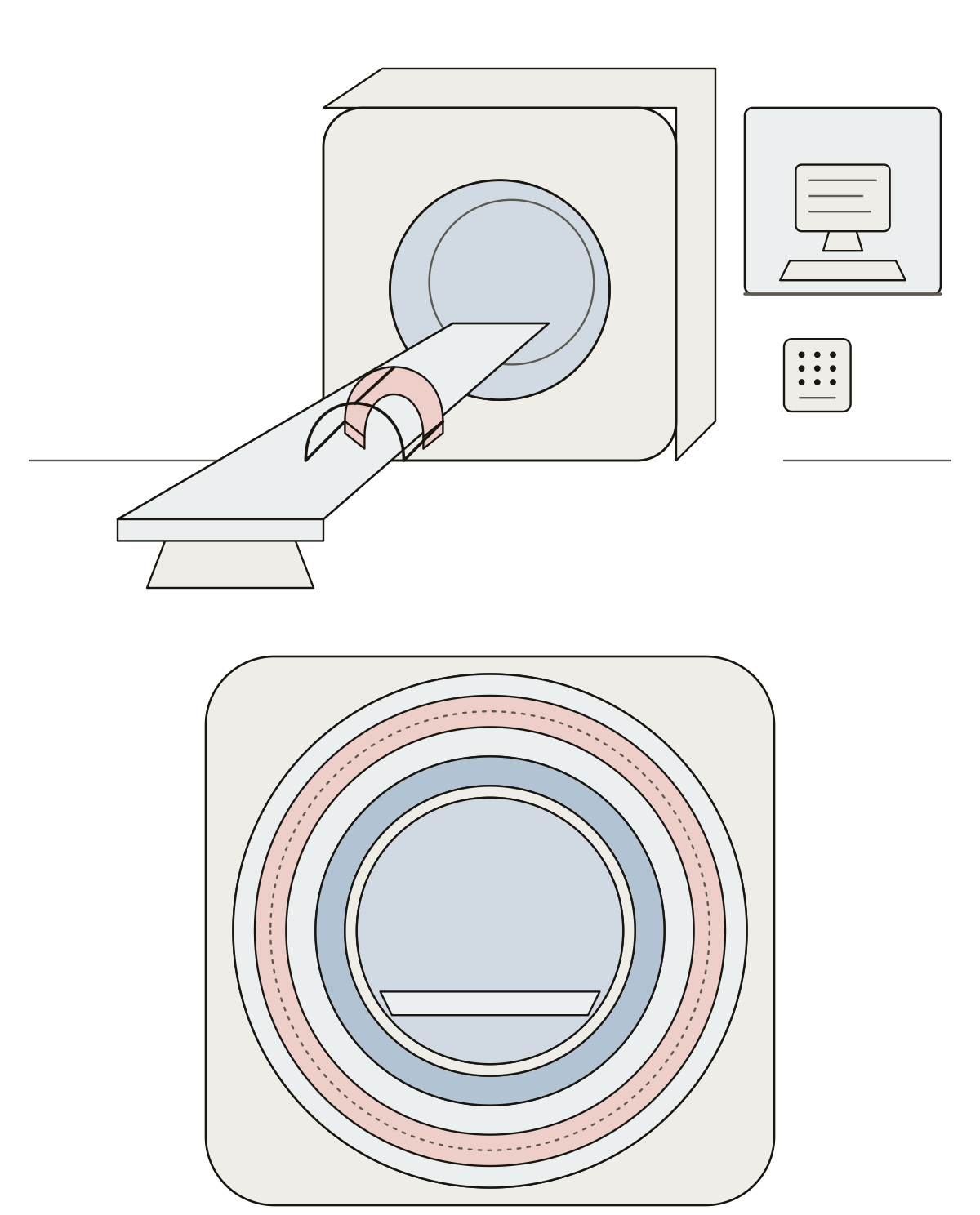 Parts of an MRI MachineBore, patient table, RF coil, control room, computer and intercom, then the main magnet, liquid helium and gradient coils inside the scanner.
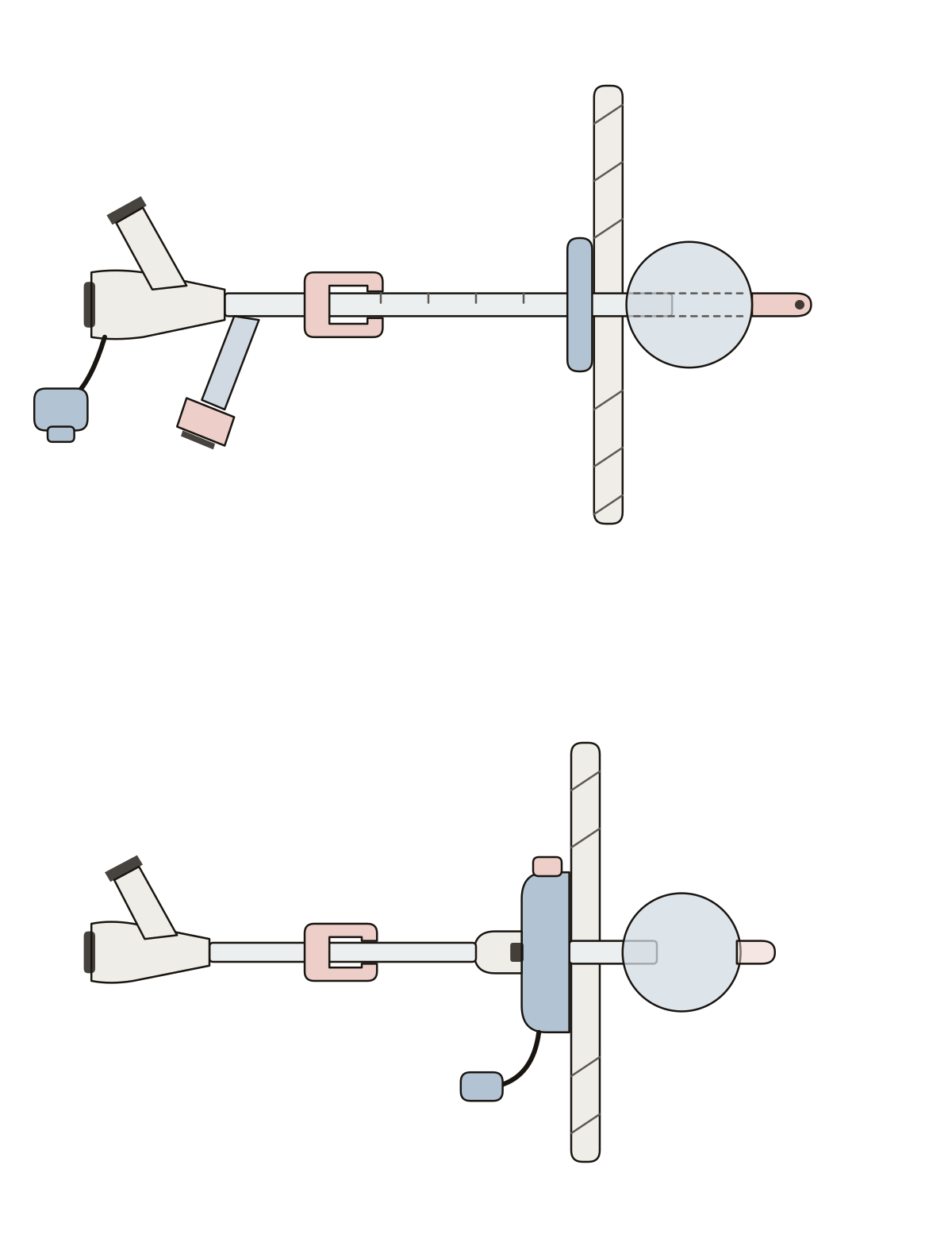 Parts of a G TubeA standard balloon gastrostomy tube and a low-profile button: Y-port, cap, clamp, balloon port, tube, external disc, balloon, tip, button and extension set.
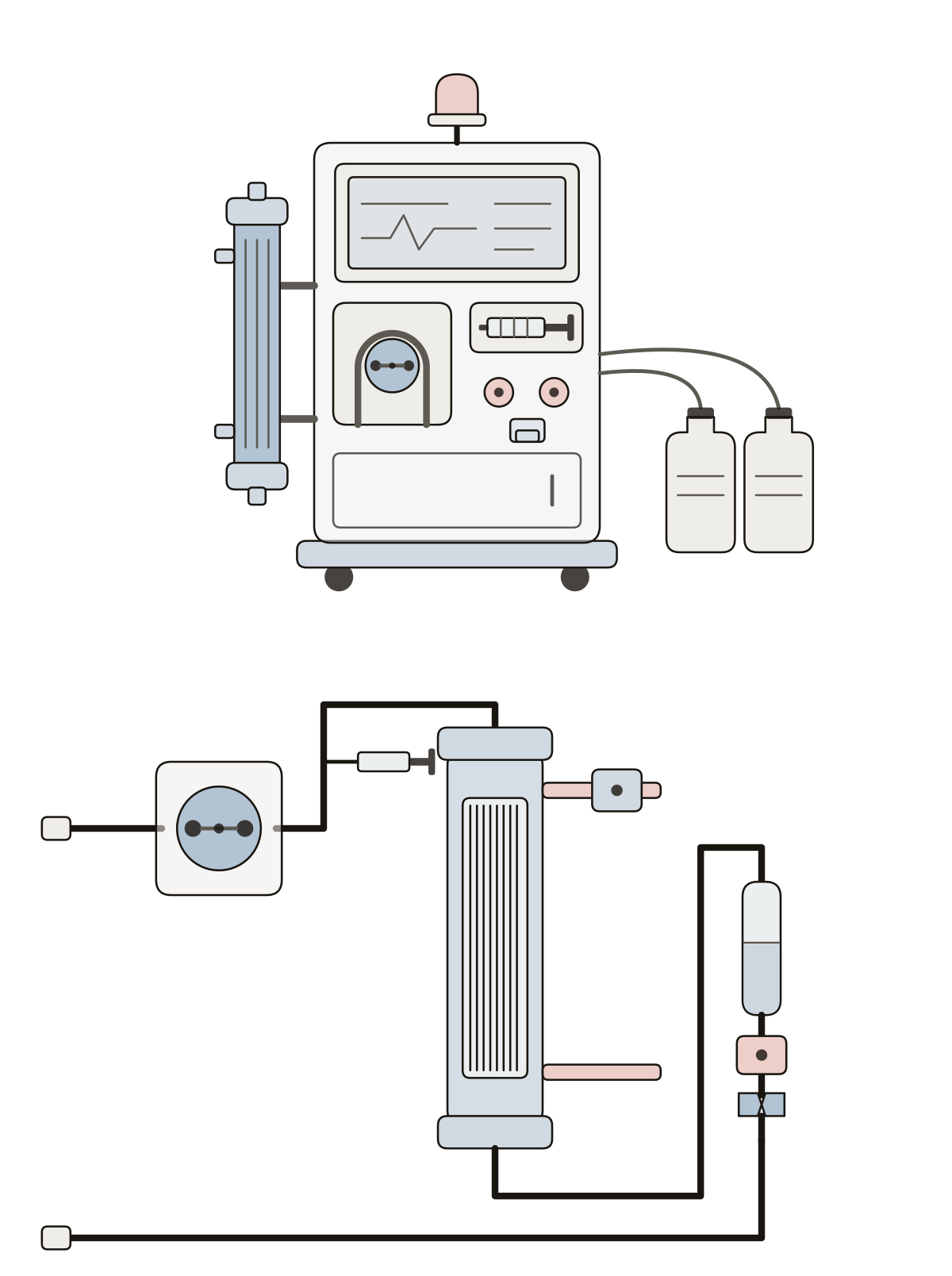 Parts of a Dialysis MachineA hemodialysis machine and its blood path: dialyzer, blood pump, heparin pump, pressure monitors, dialysate concentrate, hollow fibers, dialysate lines, blood leak detector, drip chamber, air detector, venous clamp and venous line.
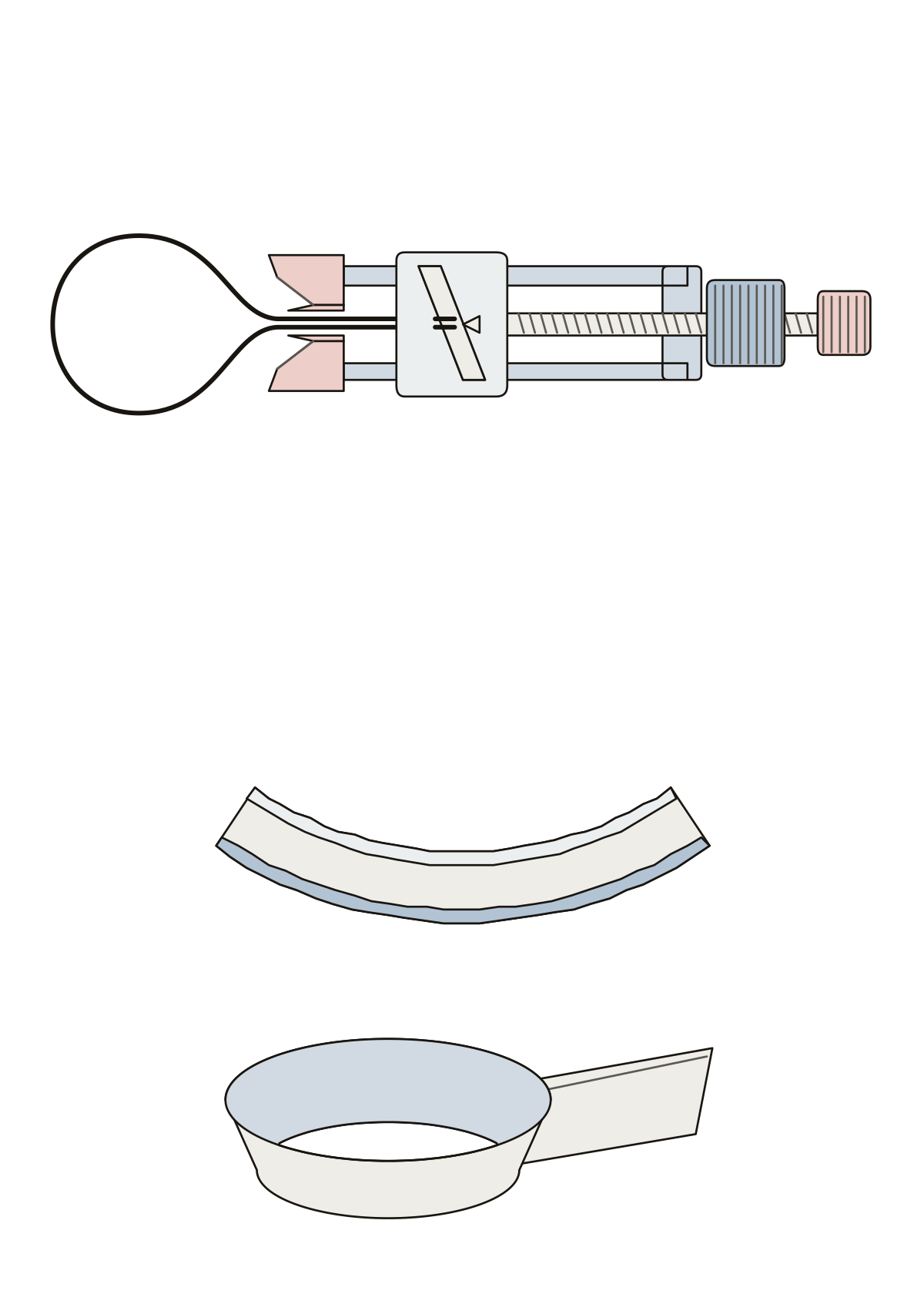 Parts of a Matrix RetainerGuide channels, vise, diagonal slot, spindle, inner knob, outer knob and frame, plus the band's loop and its two edges.
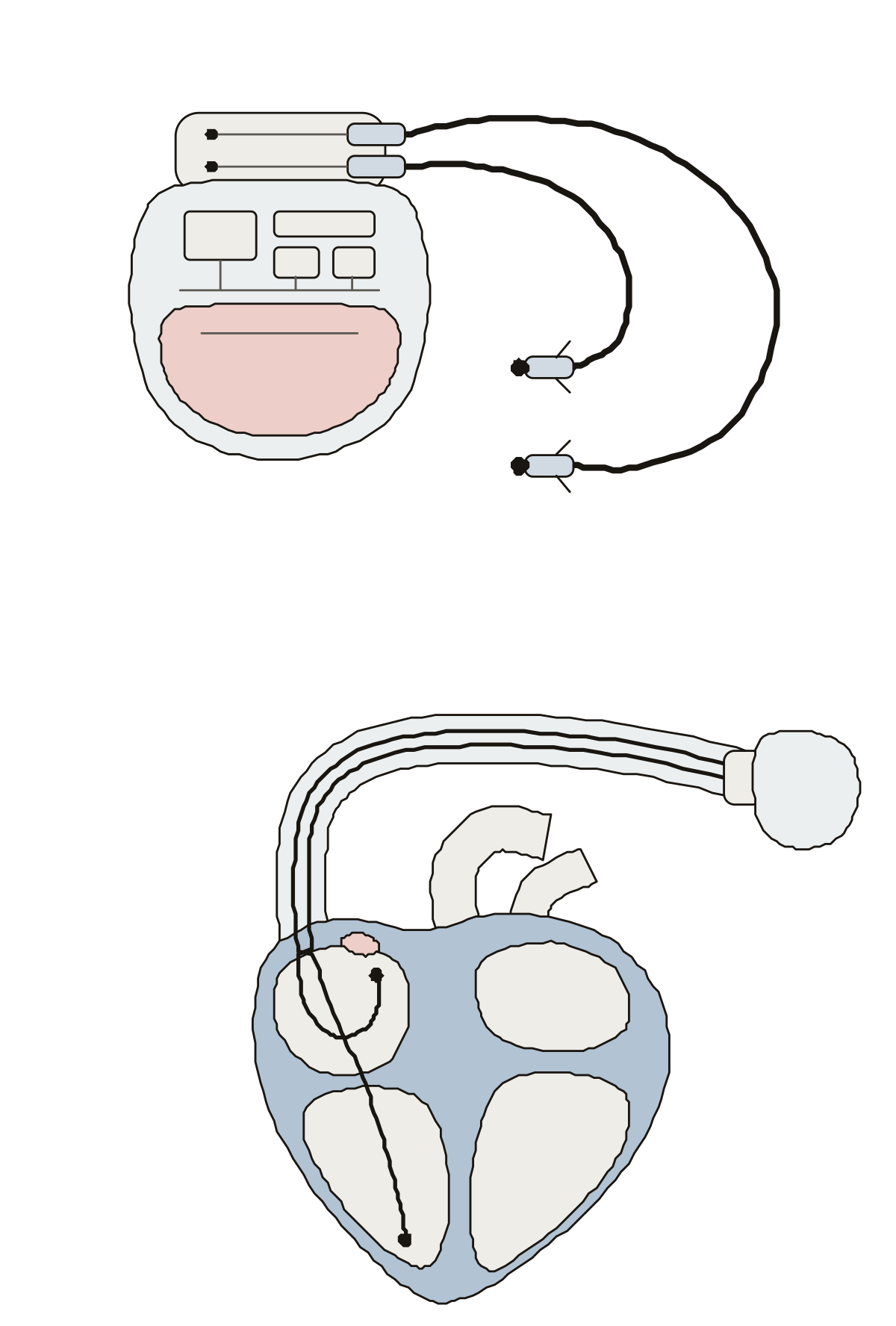 Diagram of Pacemaker in HeartPulse generator, battery, lead and electrode on the device, then the vein, the right atrium, the right ventricle and the sinoatrial node in a heart cut open.
Breathing devices 5
A ventilator and its breathing circuit, a CPAP machine, a nebulizer, a tracheostomy tube and a full-face respirator mask, as manuals name them.
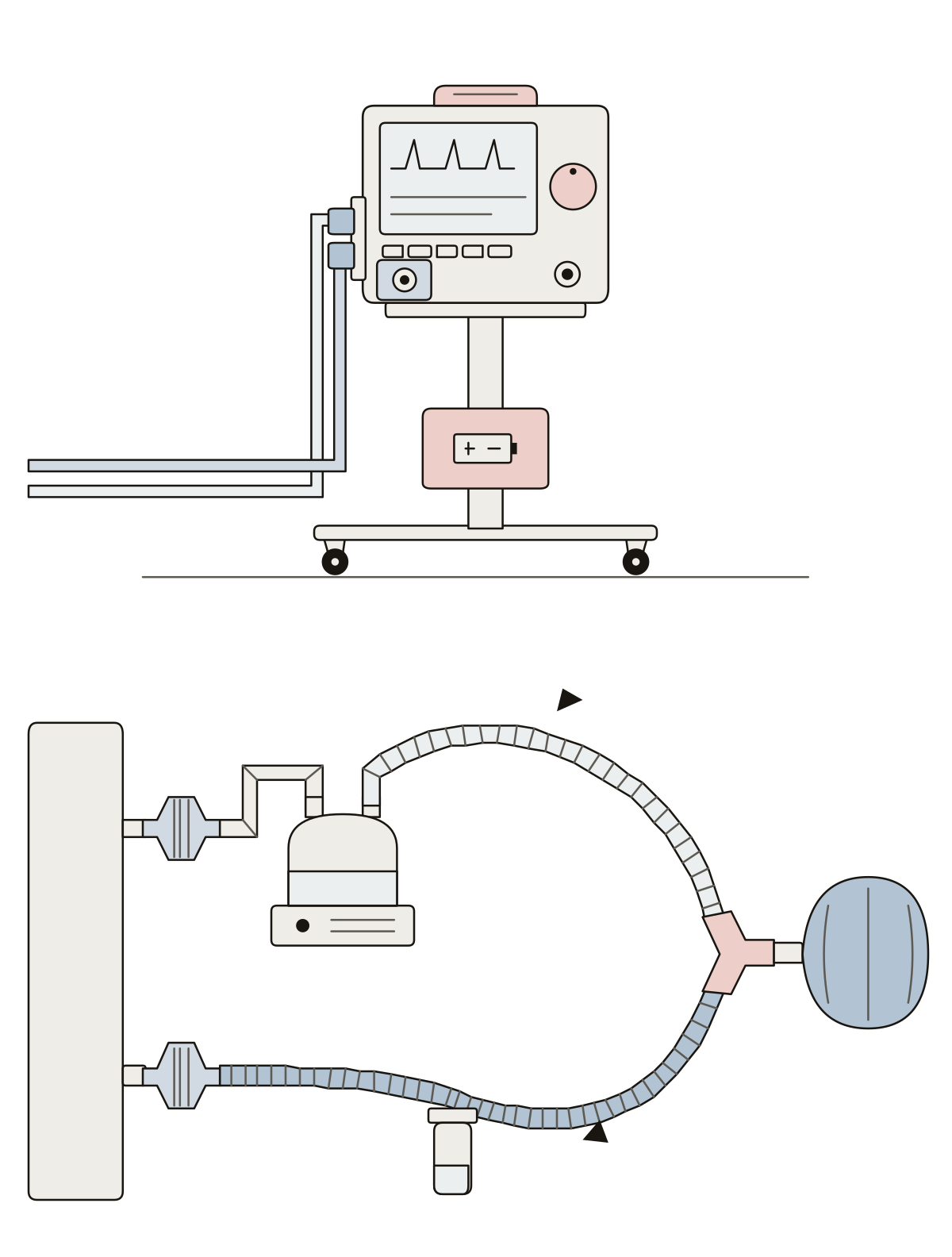 Parts of a Medical VentilatorDisplay, control knob, alarm indicator, gas inlets, exhalation valve, battery, cart, filters, humidifier, two limbs, Y-piece, water trap.
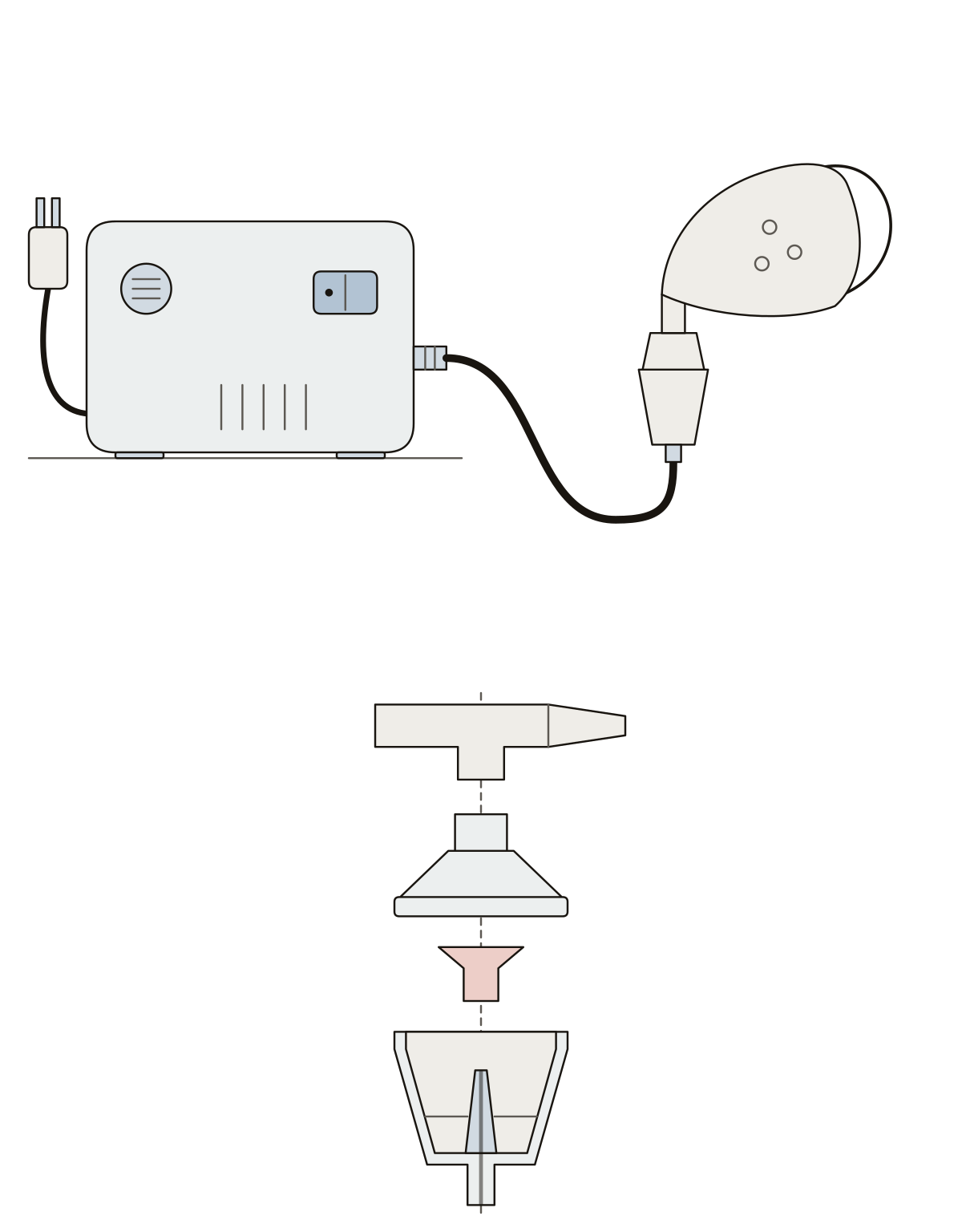 Parts of a NebulizerCompressor, power switch, air filter, air outlet, tubing, power cord and mask; mouthpiece, cap, baffle, medication cup and nozzle.
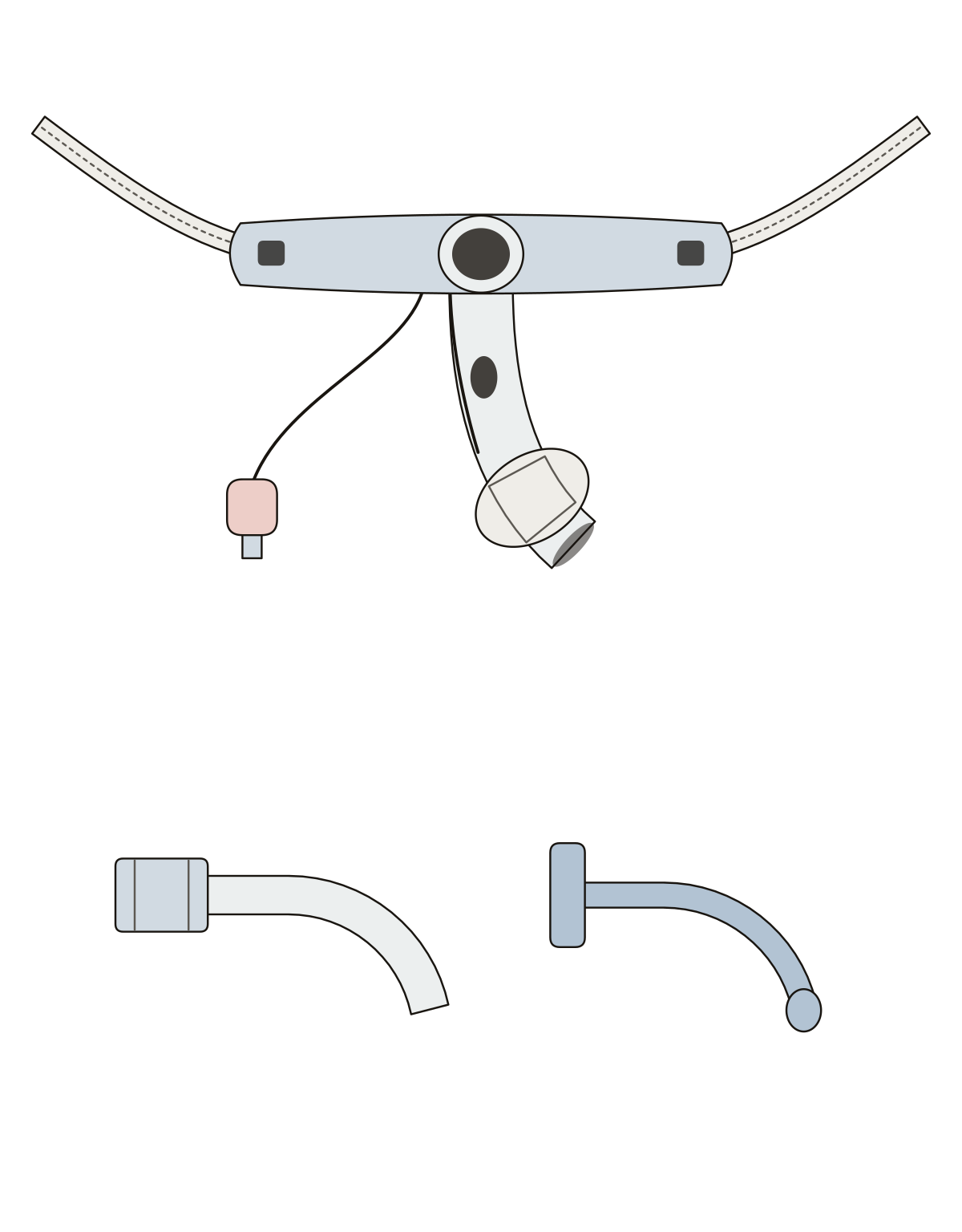 Parts of a Tracheostomy TubeNeck plate, ties, outer cannula, fenestration, cuff and pilot balloon; inner cannula, 15 mm connector and obturator.
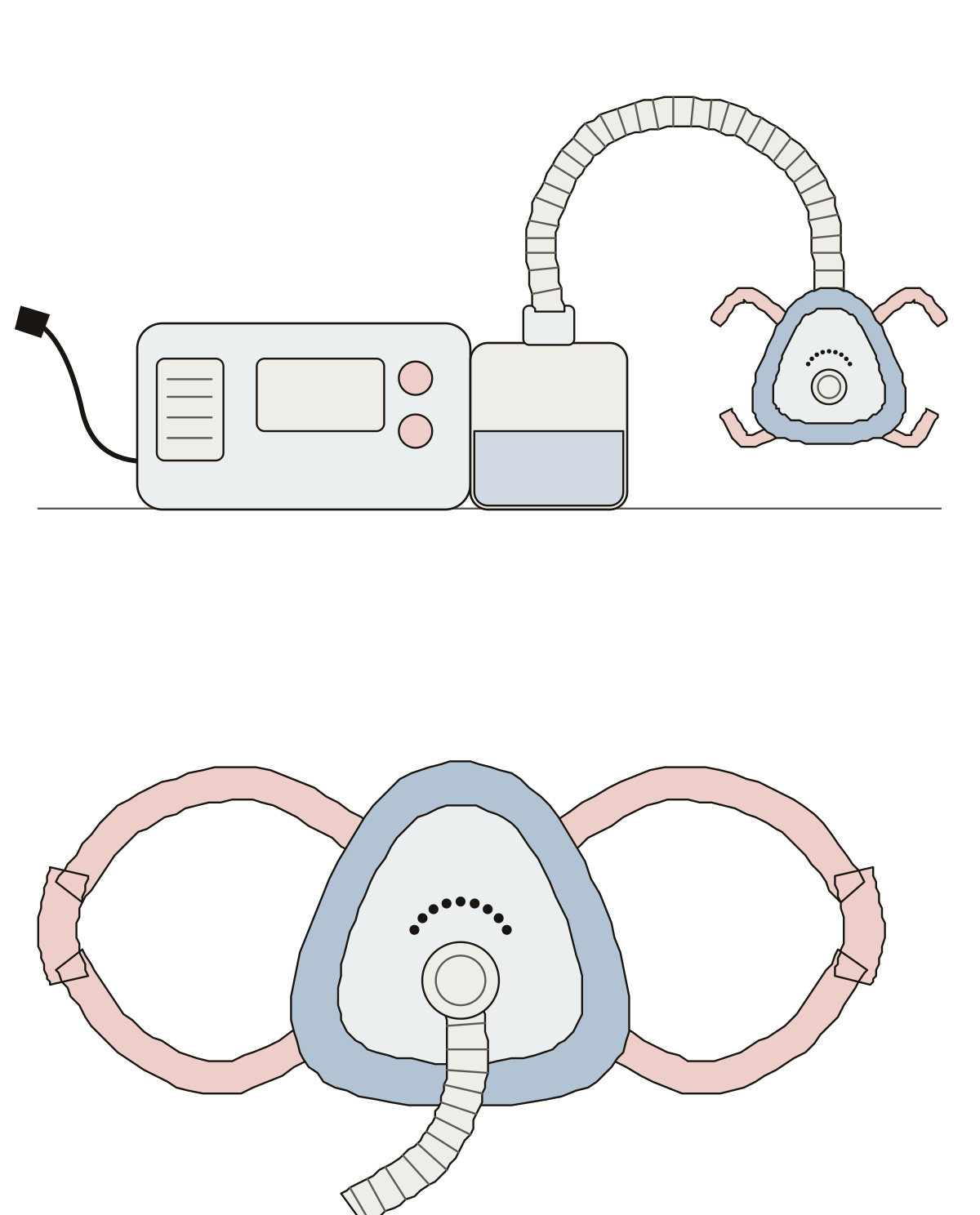 Parts of a CPAP MachineMachine, hose, mask, humidifier chamber, air filter, air outlet, buttons and power cord, then the cushion, headgear and exhalation port of the mask.
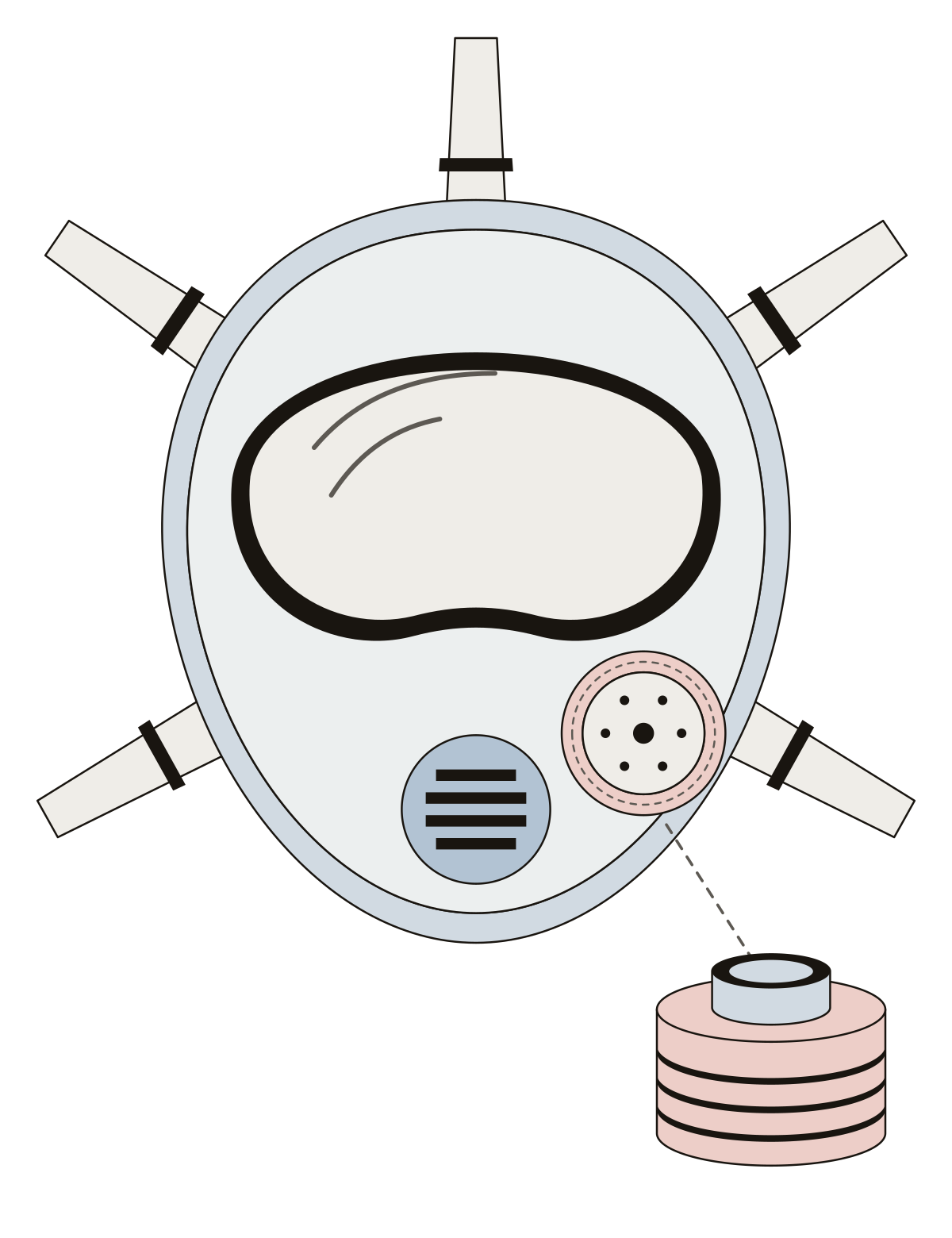 Parts of a Gas MaskA full-face gas mask from the front: 7 numbered parts, from the facepiece, eyepiece and head harness to the two valves and the canister.
Hearing and dental devices 5
Devices worn or implanted, with names an audiology or dental office uses: hearing aid, cochlear implant, dental implant and denture.
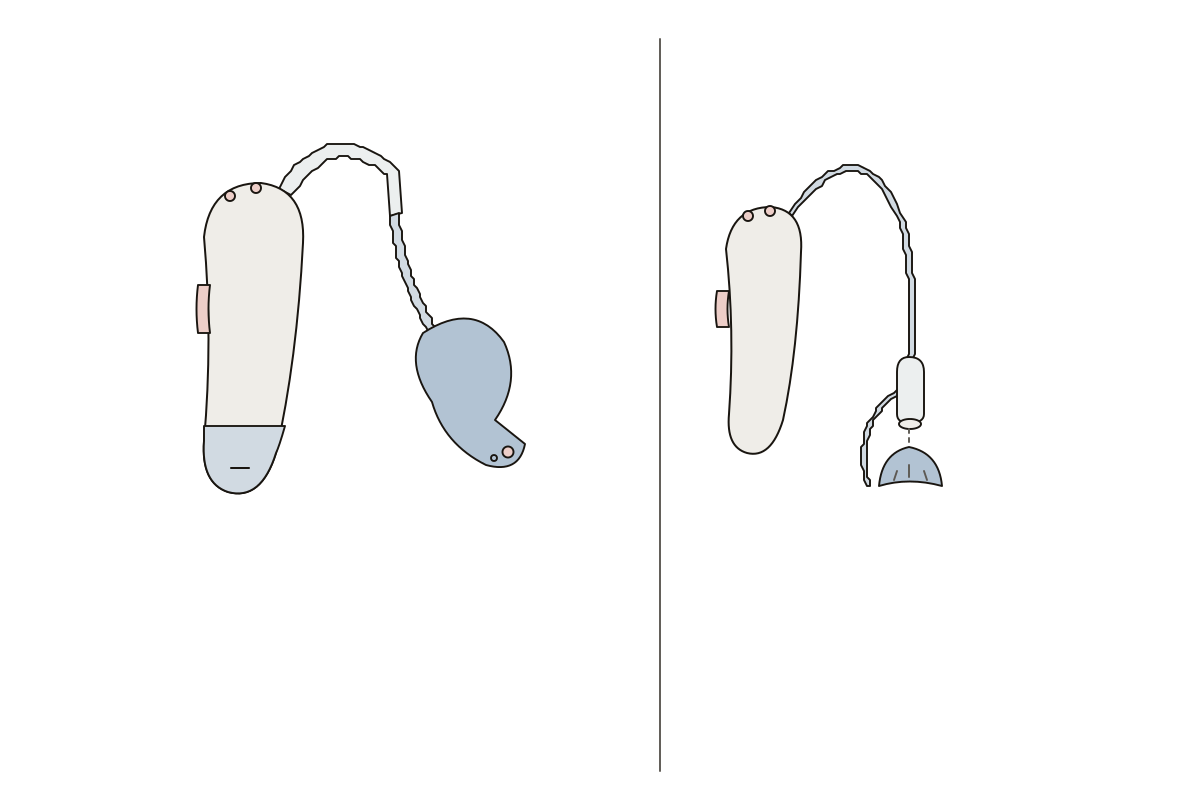 Parts of a Hearing AidTwo hearing aid styles: 12 numbered parts, from the earhook, tubing and earmold to the receiver, dome, wax guard and retention tail. Button · Wire · Vent
- Label the Parts of a Hearing AidA behind-the-ear and a receiver-in-canal hearing aid as a worksheet: twelve numbered parts, a blank line for each name, and a key. Retention tail · Earmold · Wax guard
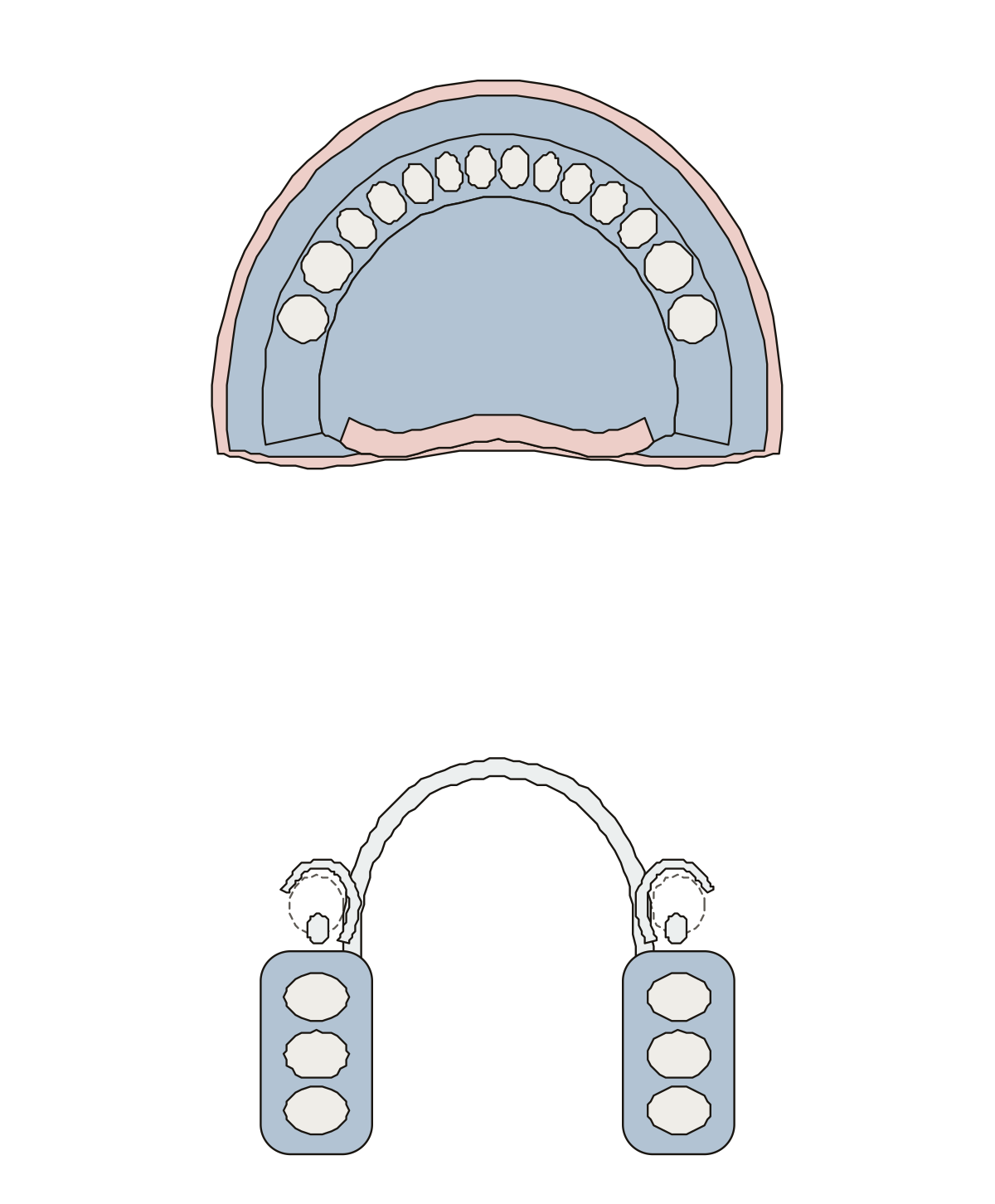 Parts of a DentureArtificial teeth, flange, palate, border and post dam on a complete denture, then the clasp, rest, lingual bar and saddle of a partial one.
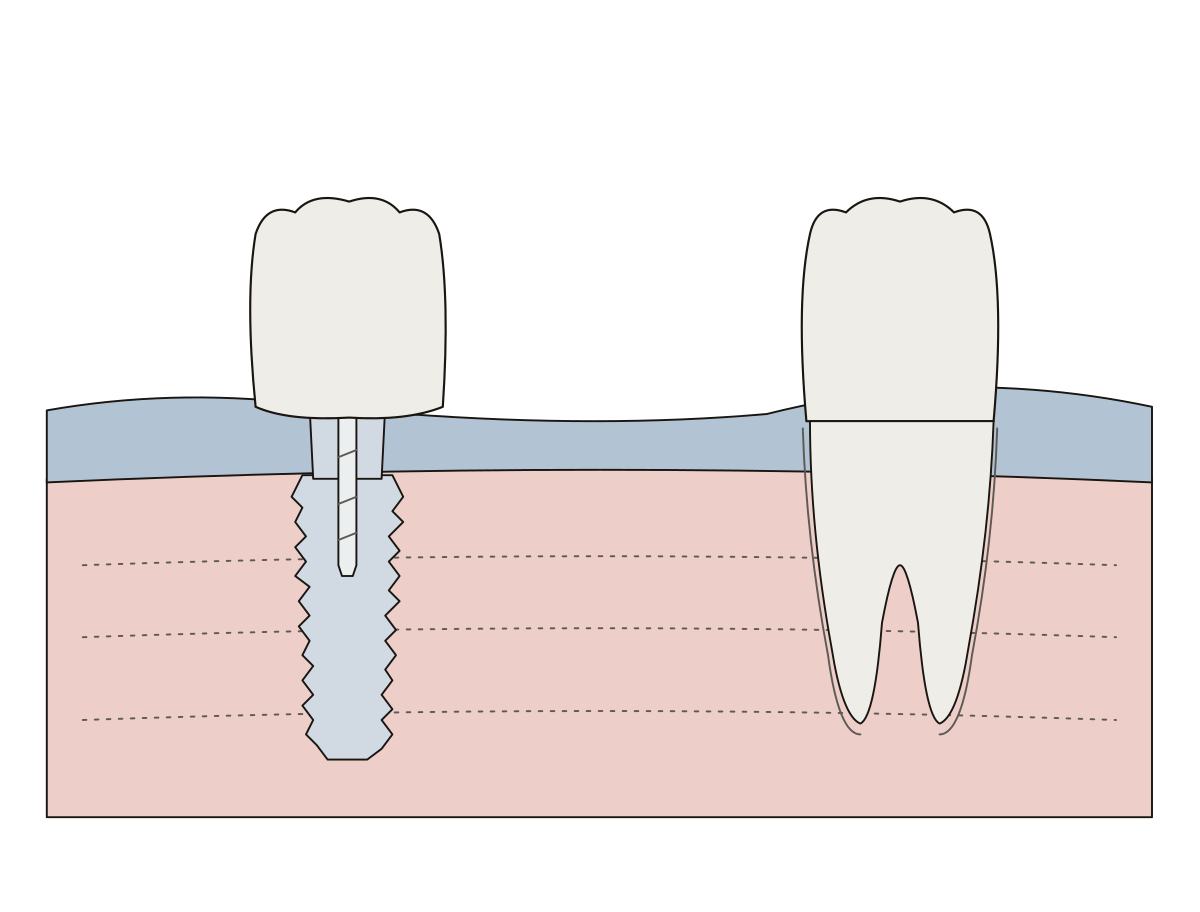 Parts of a Dental ImplantCrown, abutment, abutment screw and implant body in the jaw, with the gum, the bone and a natural tooth and its root. Gum (gingiva) · Crown (artificial tooth)
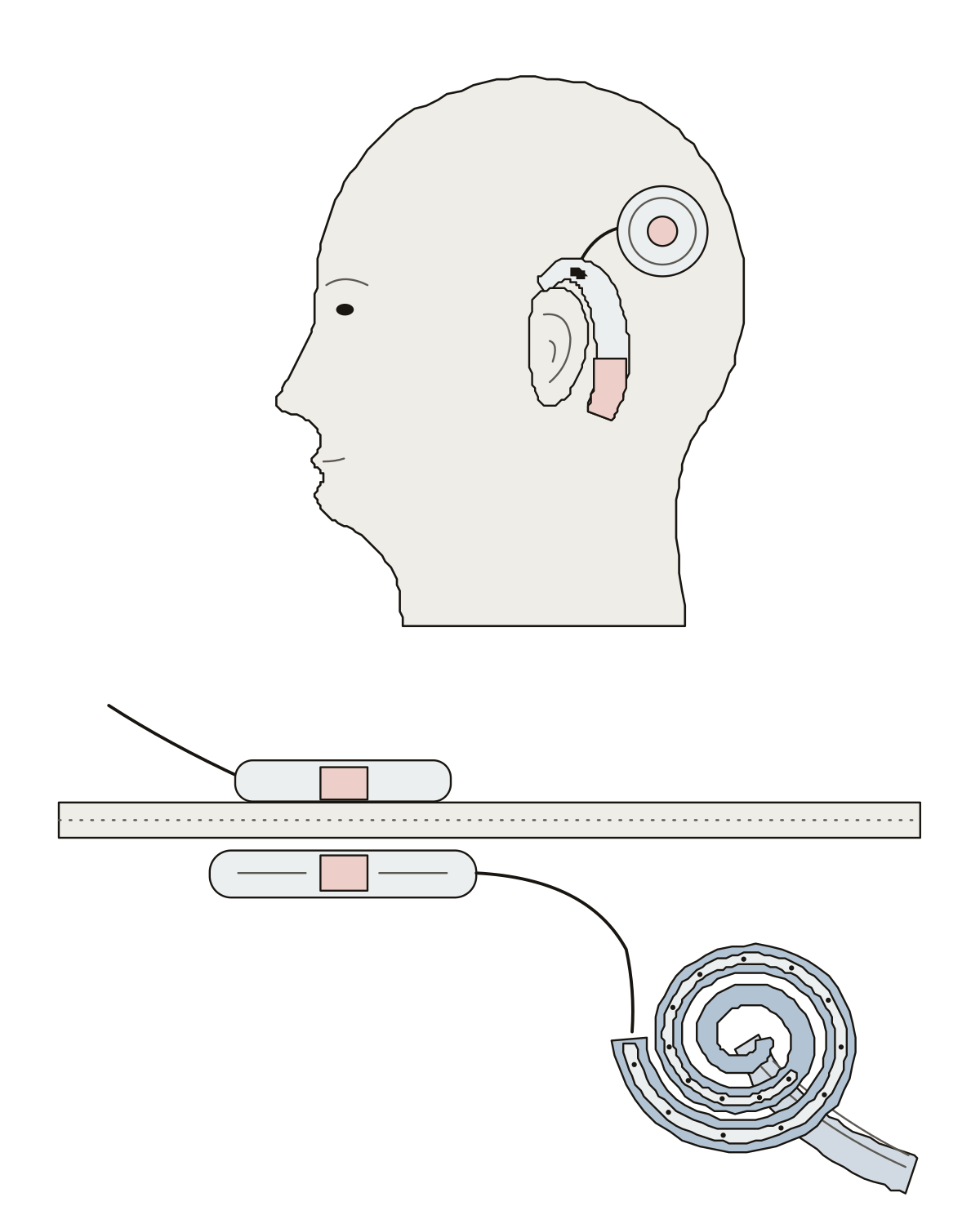 Parts of a Cochlear ImplantSound processor, microphone, transmitter, magnet and battery behind the ear, then the receiver-stimulator, electrode array, cochlea and auditory nerve.
Mobility aids and hospital beds 8
The wheelchair, the walker, the crutch, the cane, a prosthetic leg and a hospital bed, named the way a supplier's parts list and a therapy handout name them.
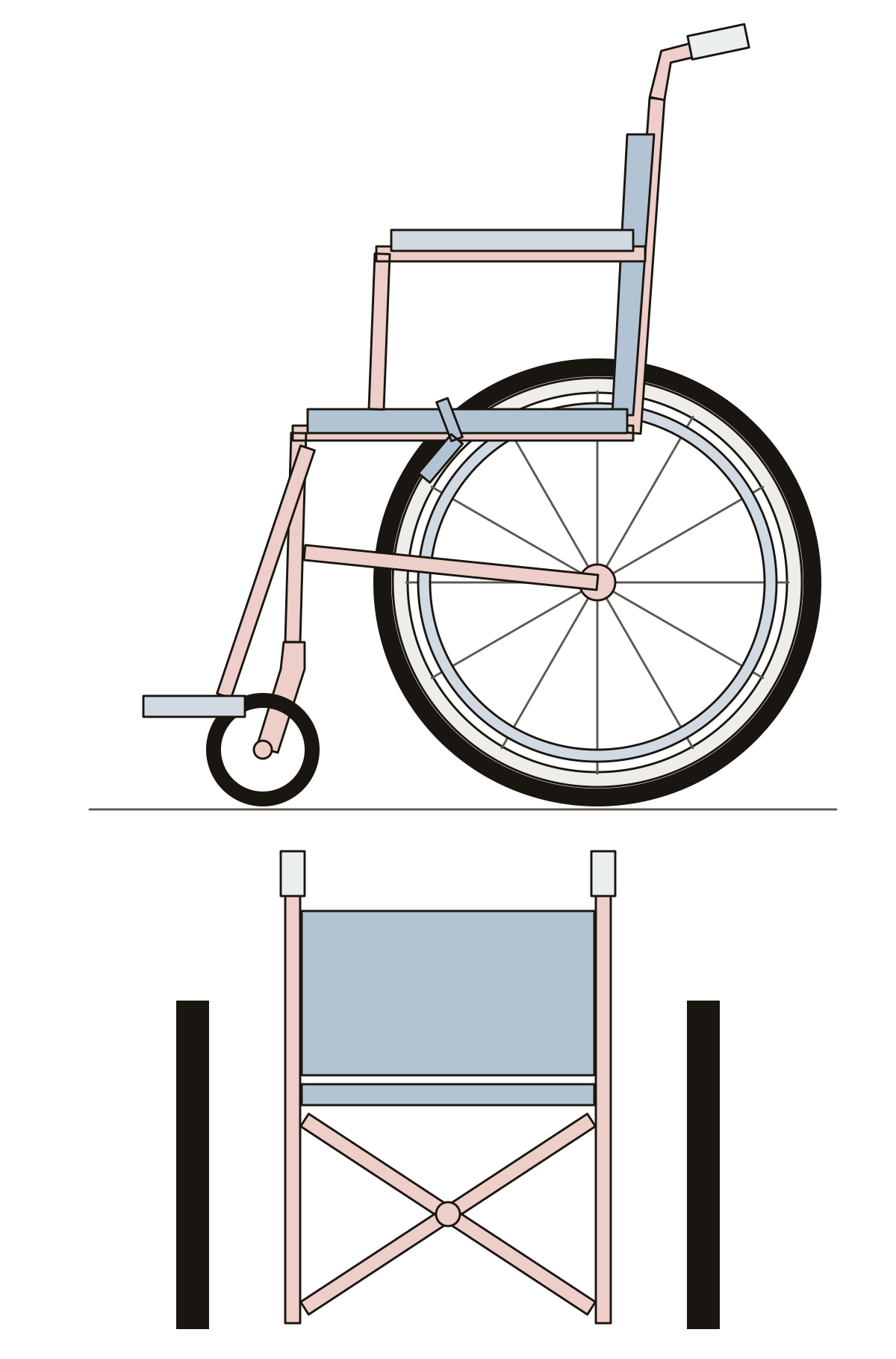 Parts of a WheelchairA manual wheelchair: 13 numbered parts, from the push handles, seat and handrims to the casters, footplates, wheel locks and cross brace. Armrests · Wheel locks · Footrests
- Wheelchair Anatomy QuizA quiz from the first screen on the wheelchair drawing: find the five big parts first, then the caster forks, wheel locks, footrests, footplates and cross brace. Footplates · Frame · Armrests
- Wheelchair Parts LabelingA folding manual wheelchair as a worksheet: thirteen numbered parts from push handles to cross brace, a line for each name, and a key. Backrest · Footrests · Cross brace
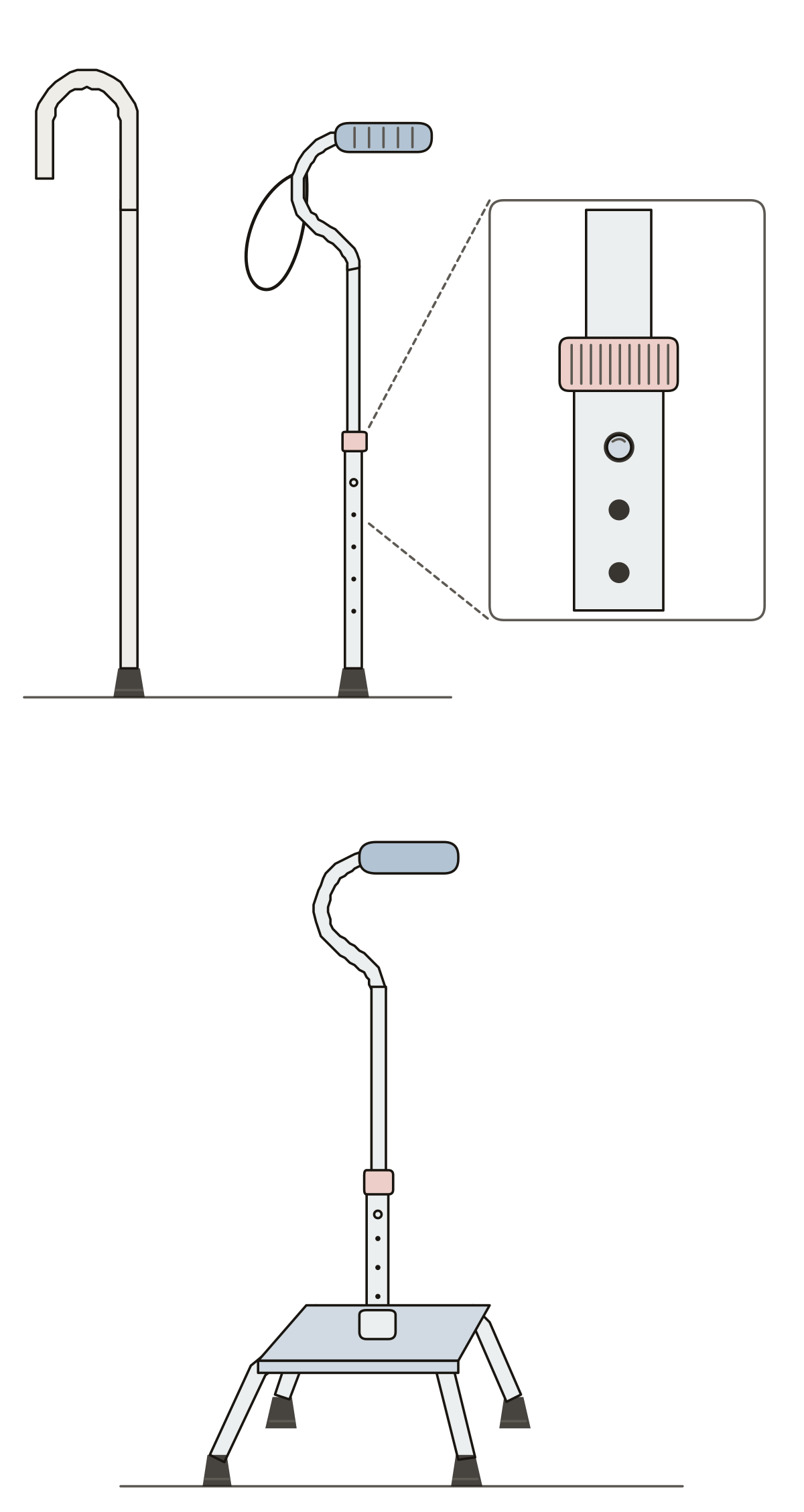 Parts of a CaneCrook handle, offset handle, hand grip, wrist strap, locking ring, push button and cane tip; the quad cane's shaft, base and legs.
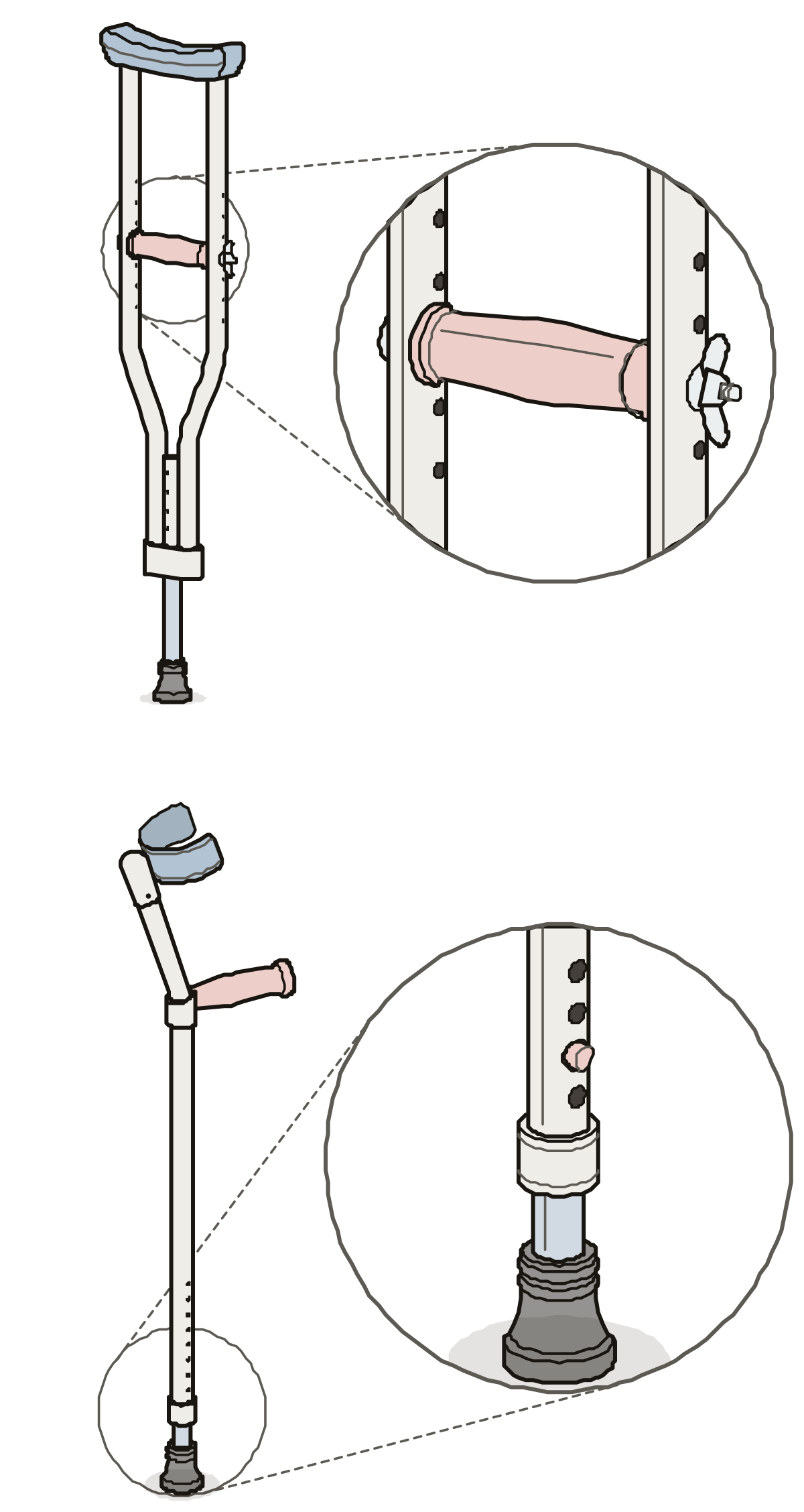 Parts of a CrutchUnderarm support, handgrip, wing nut, adjustment holes, leg; the forearm crutch's cuff, push button and crutch tip.
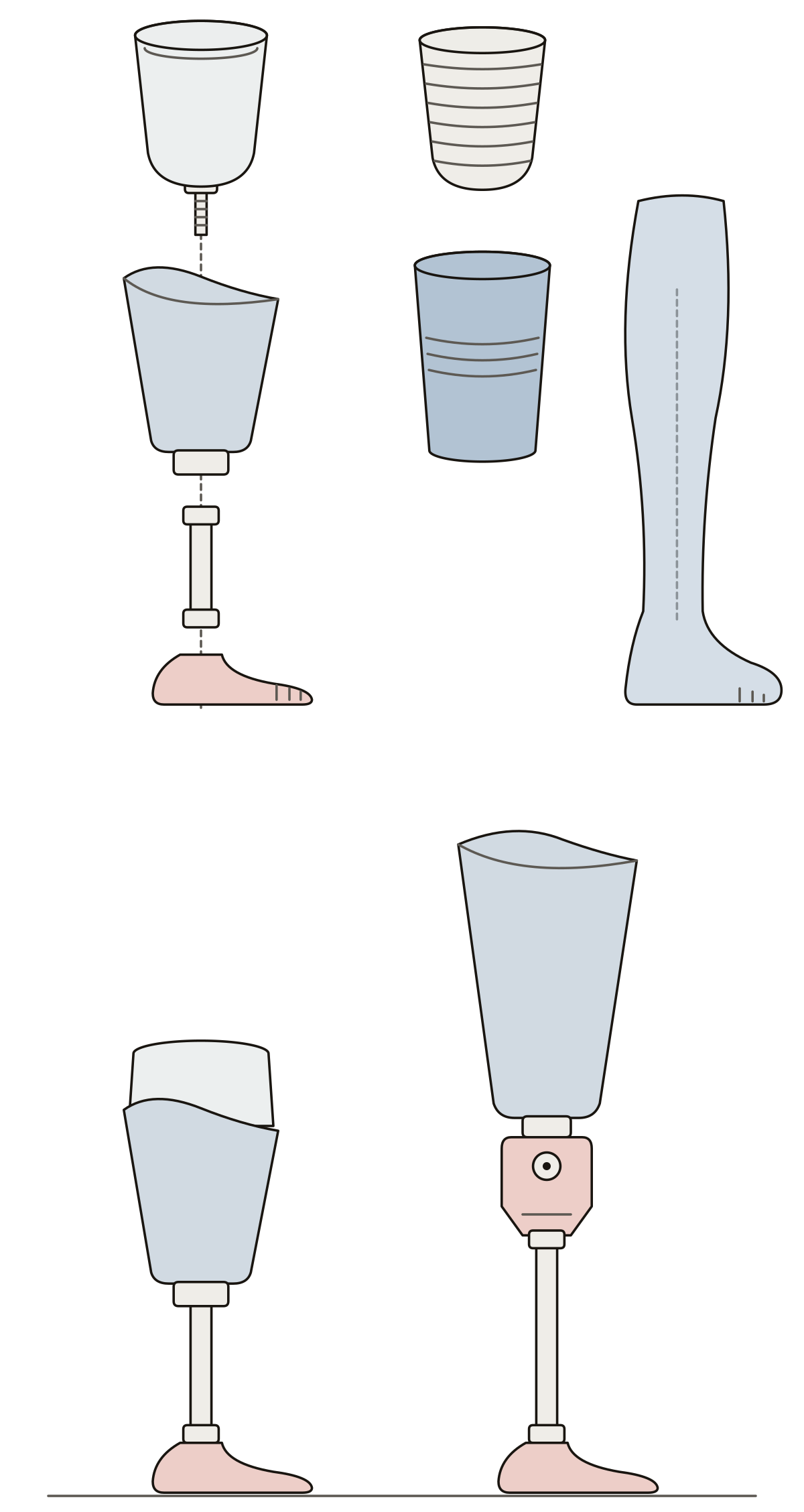 Parts of a ProsthesisLiner, locking pin, socket, pylon, foot, sock, suspension sleeve, cosmesis, and the knee joint of an above-knee leg.
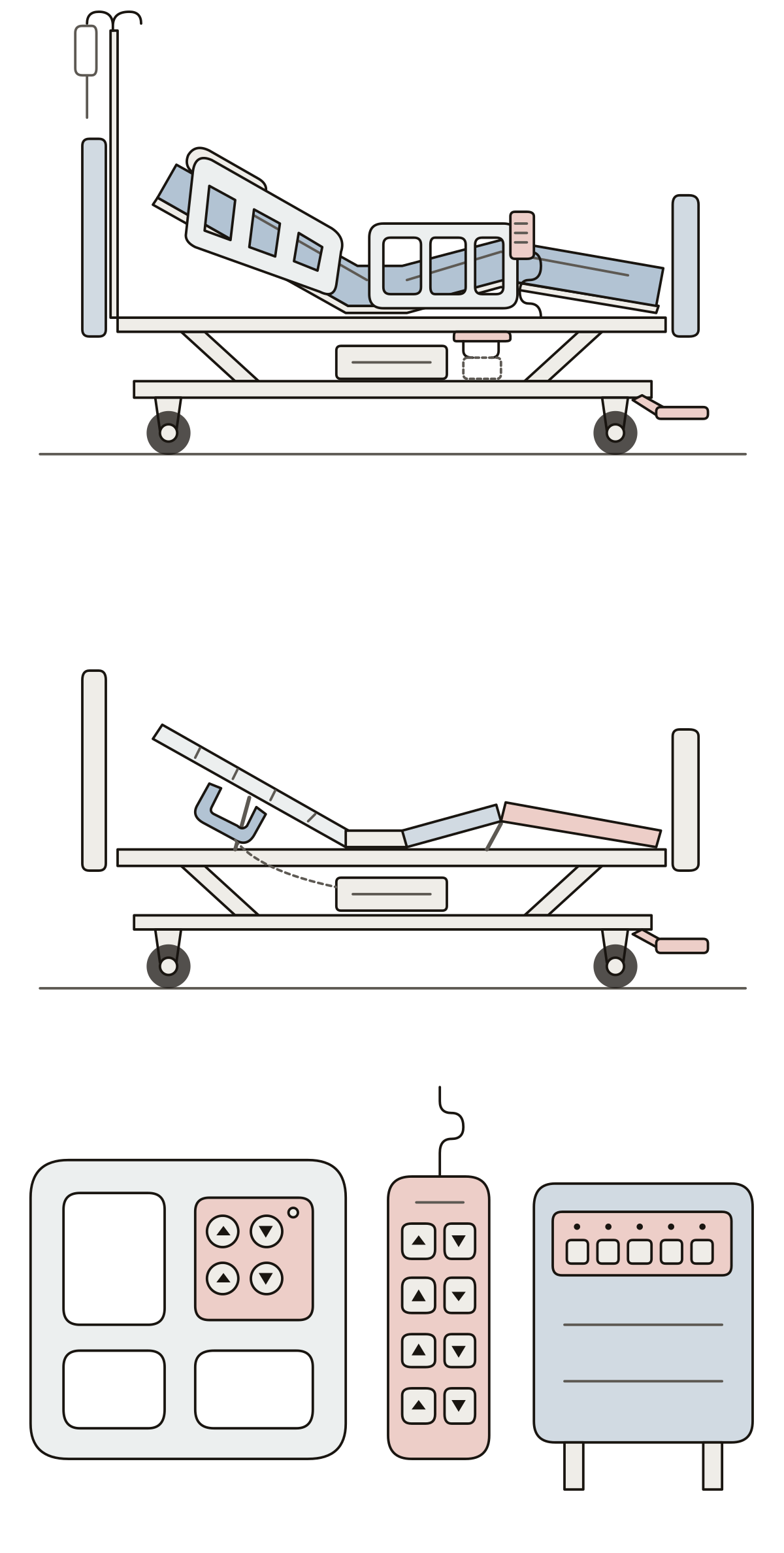 Parts of a Hospital BedHeadboard, footboard, side rails, IV pole, casters; head, knee and foot sections, CPR release handle; pendant, siderail controls, footboard control panel.
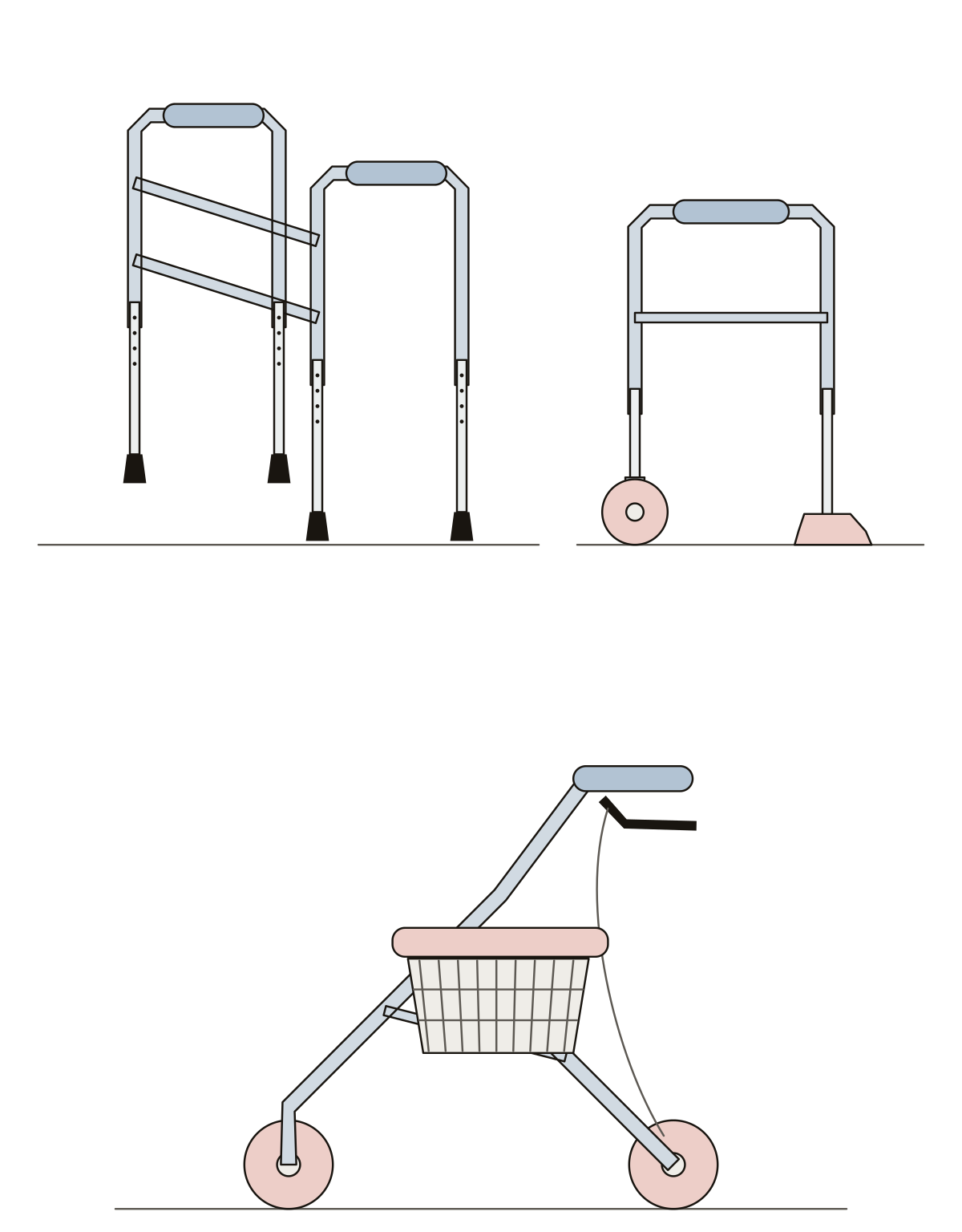 Parts of a WalkerFrame, handgrips, legs, rubber tips, front wheel and glide, then the seat, basket and hand brake of a rollator.
More about these tools
A caregiver is reading a manual that names pieces the box never mentioned. Each page is one drawing of one device, with a numbered ring on every part. Open Study to read each name and what the part does, then switch to Find it or Name it, and missed parts return at the end of the round. Every drawing prints blank or labeled.
These pages are vocabulary aids. They name parts and stop there, with nothing on using, fitting, cleaning or choosing a device. Your instructor, your clinician and the maker's manual cover that. Every name was checked against two references on the date its page shows, and no maker's model or mark is drawn.
Keep exploring
- Animal body-part diagrams (94)
- Blank US maps (61)
- Blank maps (159)
- Bone labeling quizzes (49)
- Capitals quizzes (11)
- Car and engine part diagrams (54)
- Cell and organelle diagrams (63)
- Clothing, shoes and jewelry (45)
- Computer, phone and camera diagrams (43)
- Anatomy concept maps (1)
- Country map quizzes (28)
- Animal anatomy diagrams (100)
- Science Quizzes
- All quizzes